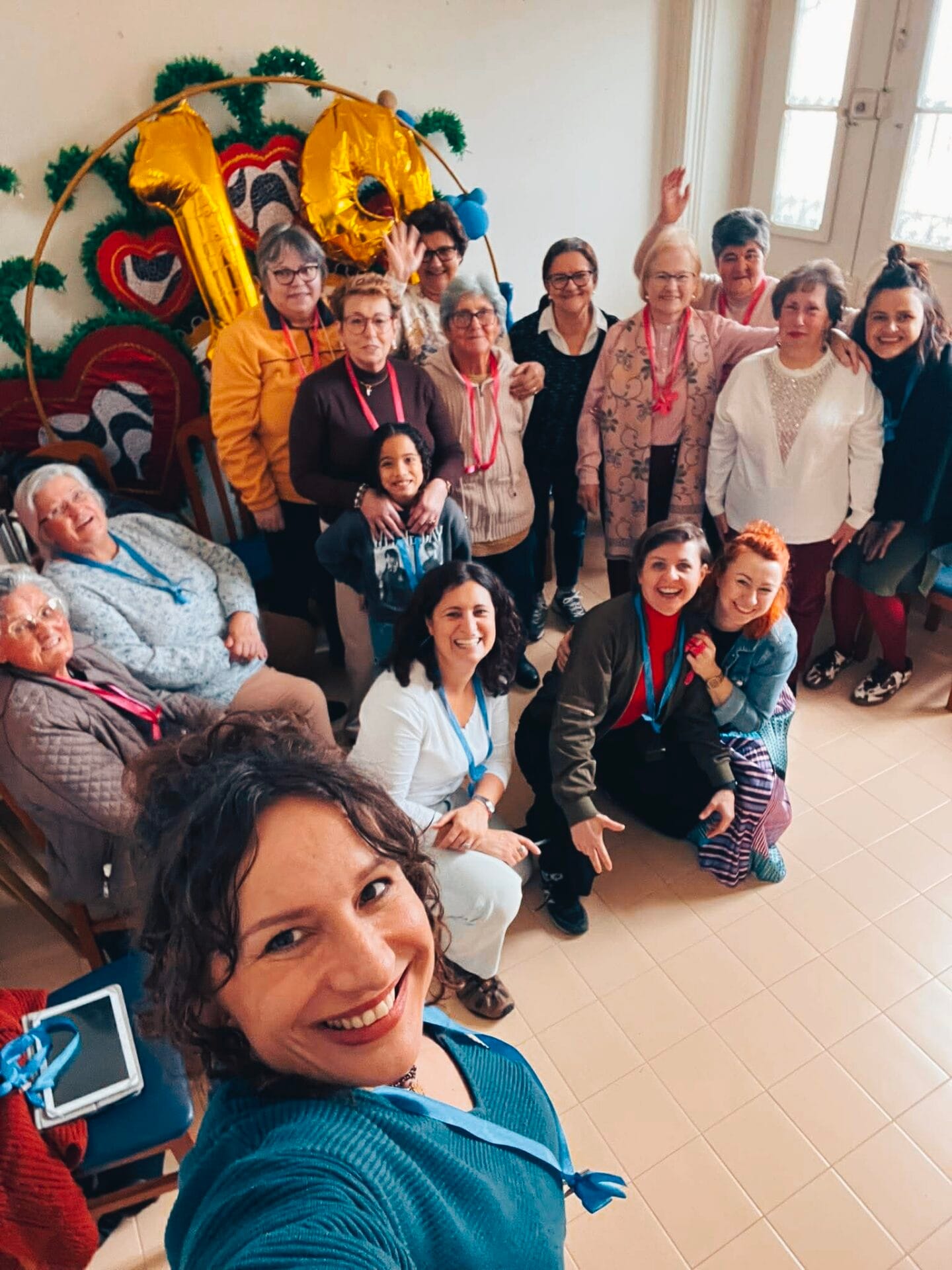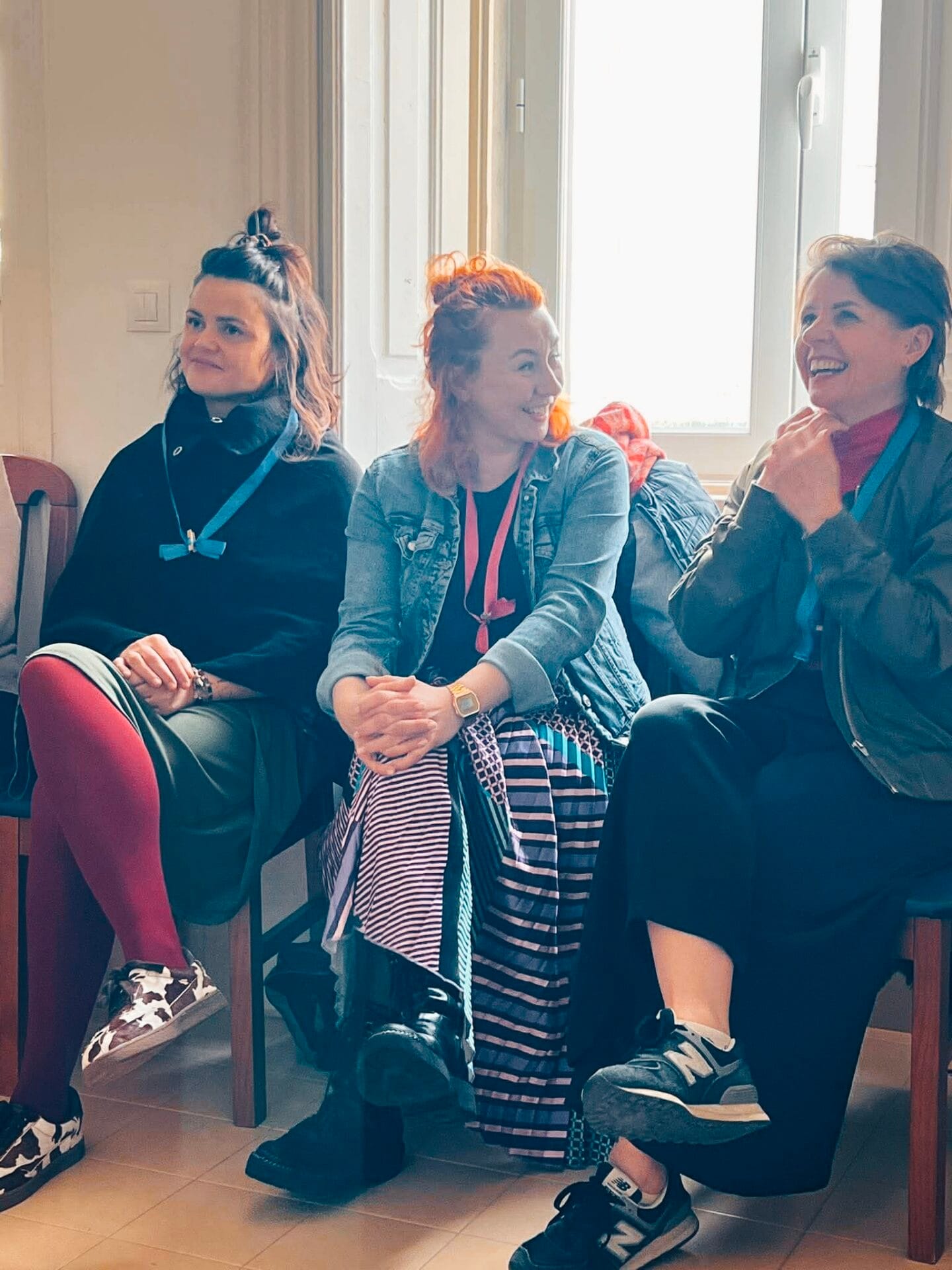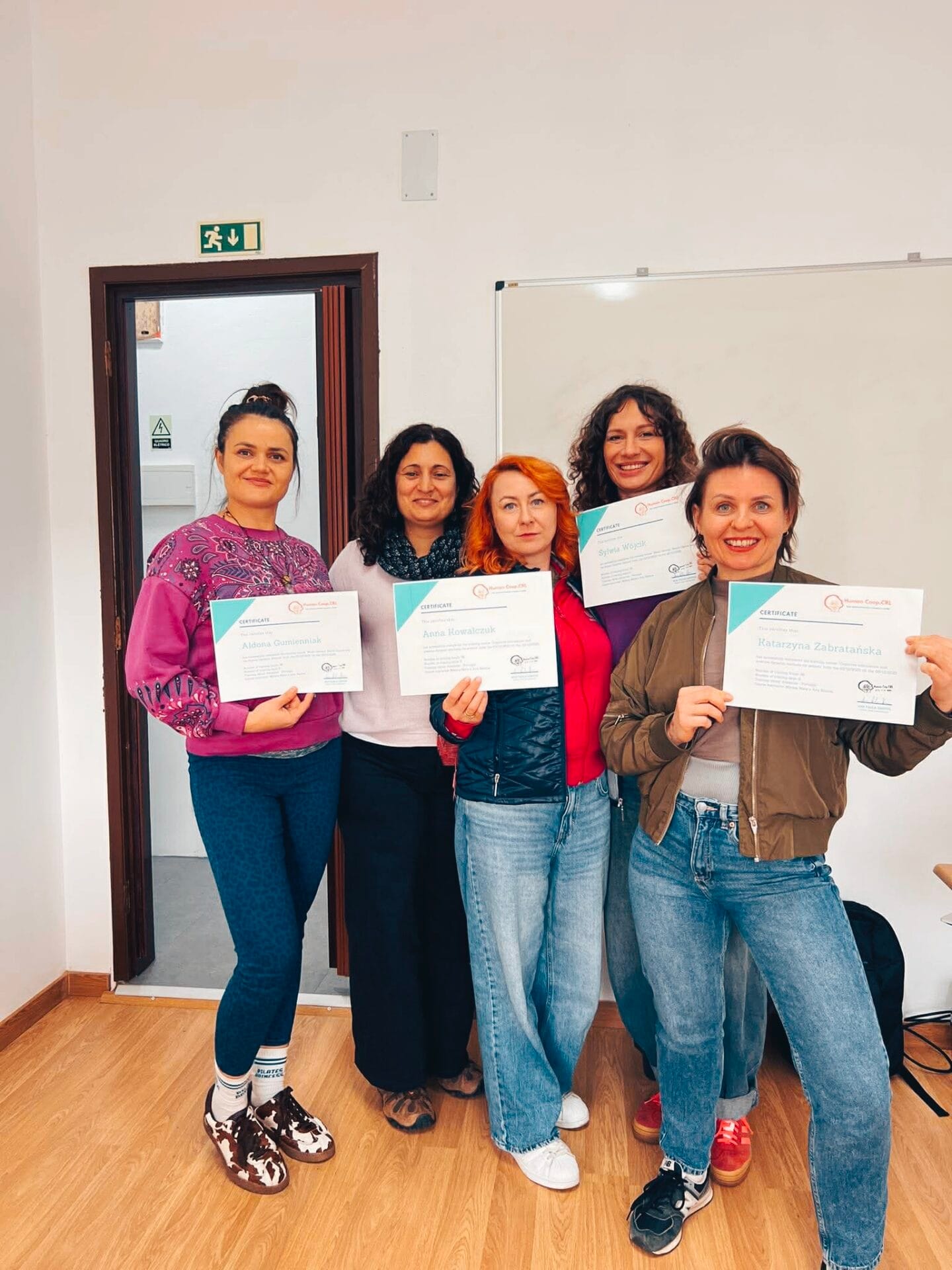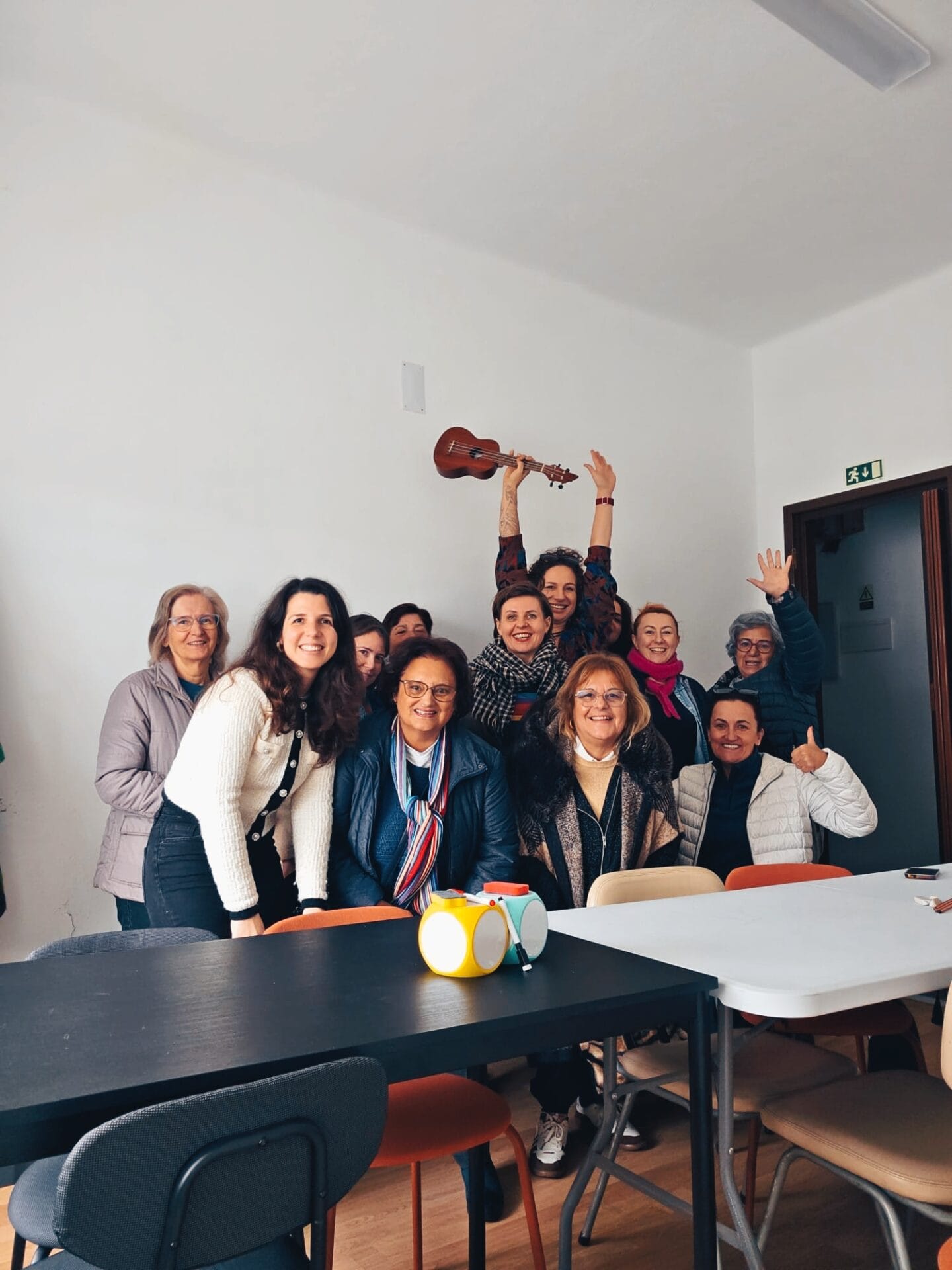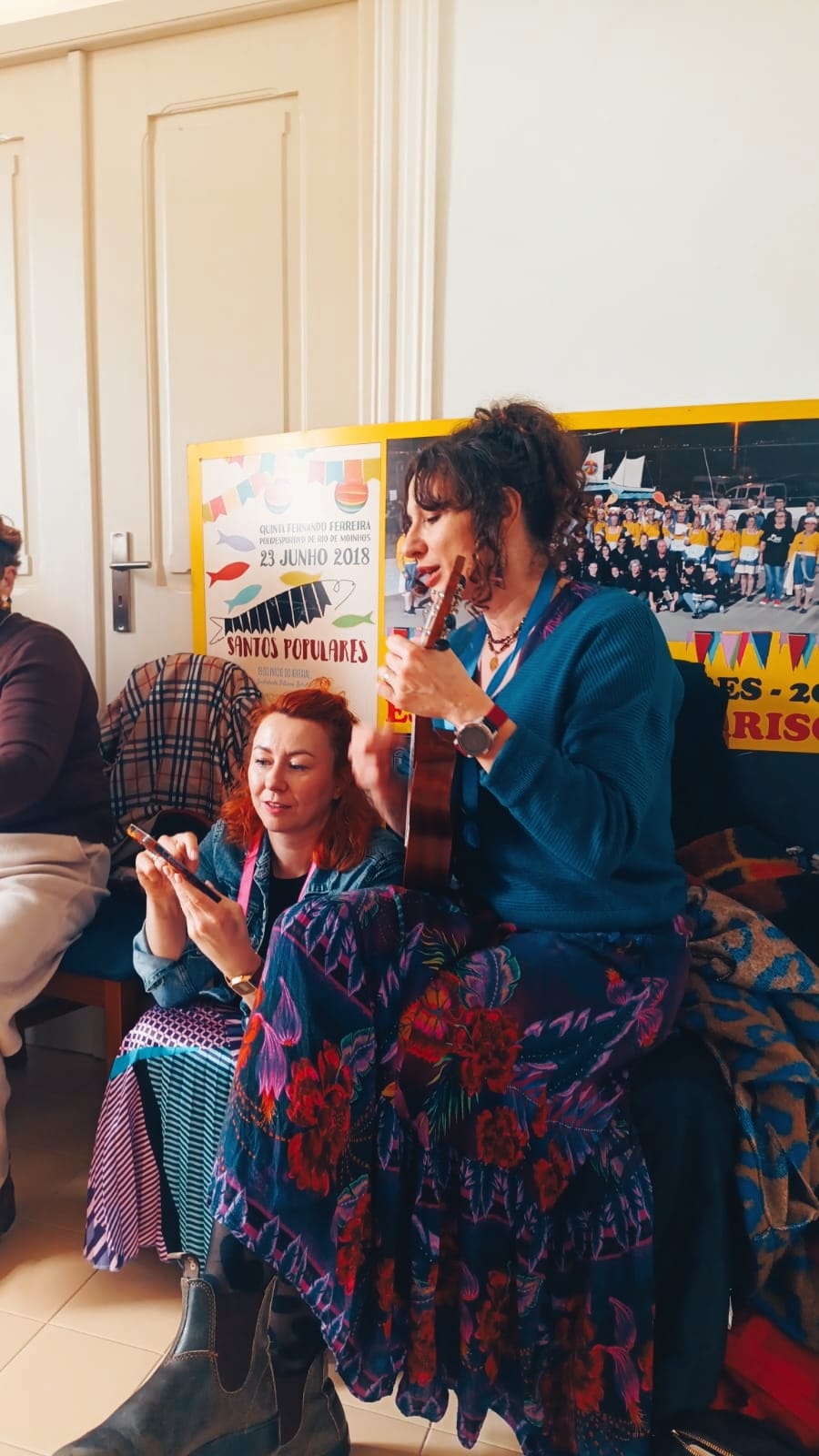

There are more and more older adults living in Europe, and with this comes a growing need to create activities that are diverse, accessible, and inclusive. Music and dance are among the most effective forms of engagement, combining the DEI approach with care for the physical and mental well-being of senior participants. During our recent training in Portugal at Human Coop, focused on the inclusion of older adults, we experienced firsthand the powerful impact of connecting music, rhythm, and a DEI-centered perspective.
Why is music so important?
Because it opens the door to activity — regardless of ability, mobility, or previous experience. Music:
- improves mood and reduces stress,
- strengthens the sense of belonging,
- enables participation even for people with limited communication,
- creates an equal and safe environment for everyone.
It is a tool that naturally supports inclusion and equality.
Rhythm and movement support the brain
Regular movement to music is not only fun — it is also one of the most effective ways to prevent dementia. Rhythm and movement:
- activate memory, concentration, and attention,
- improve spatial orientation,
- support people with mild cognitive impairments,
- slow the progression of Alzheimer’s symptoms.
Music engages multiple areas of the brain at once, making it an exceptionally effective method for supporting cognitive health.
Community that strengthens
Music activities are not only a cultural experience — they also create a space for building relationships. A stable group:
- provides a sense of safety,
- counteracts isolation,
- allows every person to feel seen and valued.
This is the foundation of the DEI approach — creating a space where everyone has the right to participate and co-create.
Drawing inspiration from Europe
In Portugal, music and movement classes for seniors are a natural part of local culture. In Poland, such activities are rapidly developing, with increasing emphasis on equality-based approaches and cognitive prevention. The exchange of experience between EU countries allows us to build programs that are truly accessible and effective.