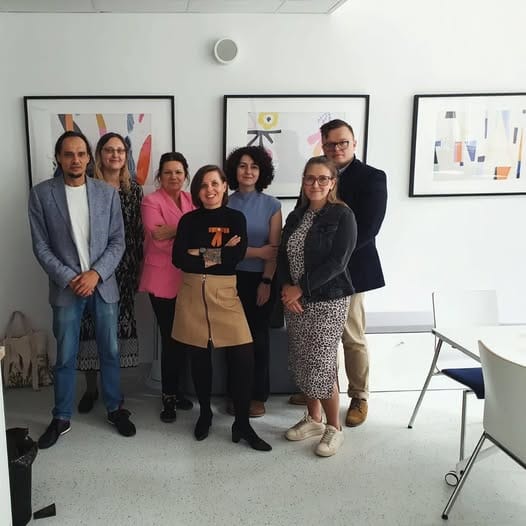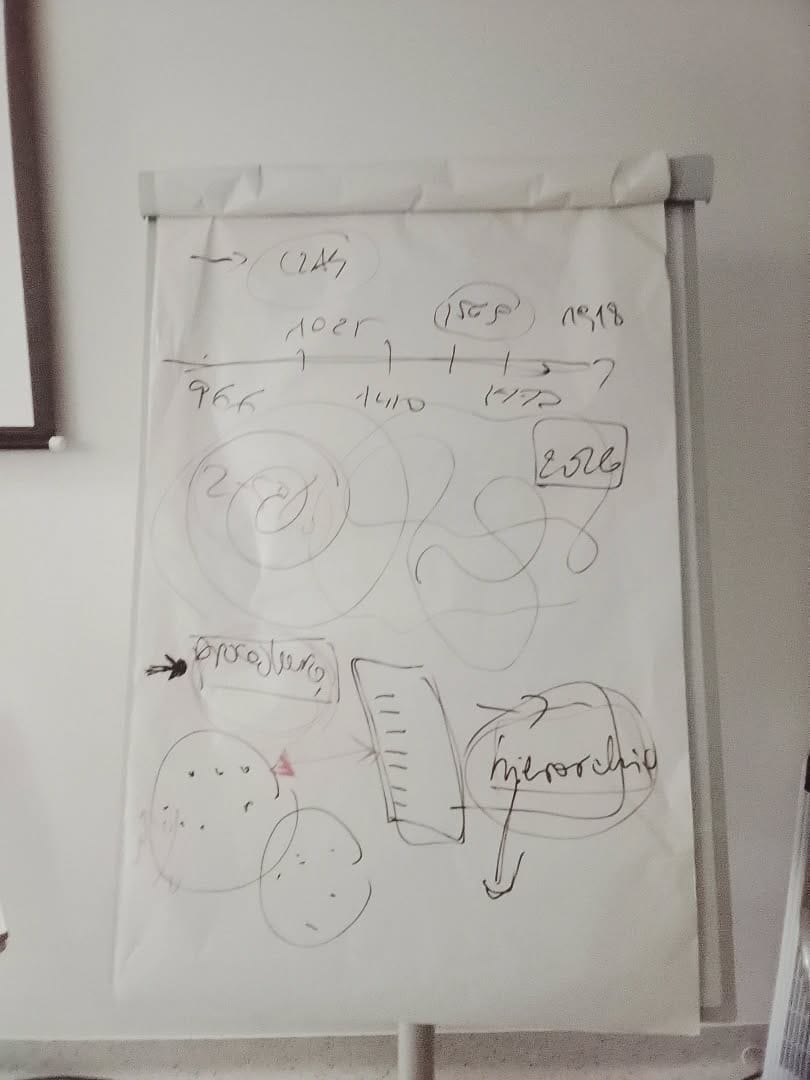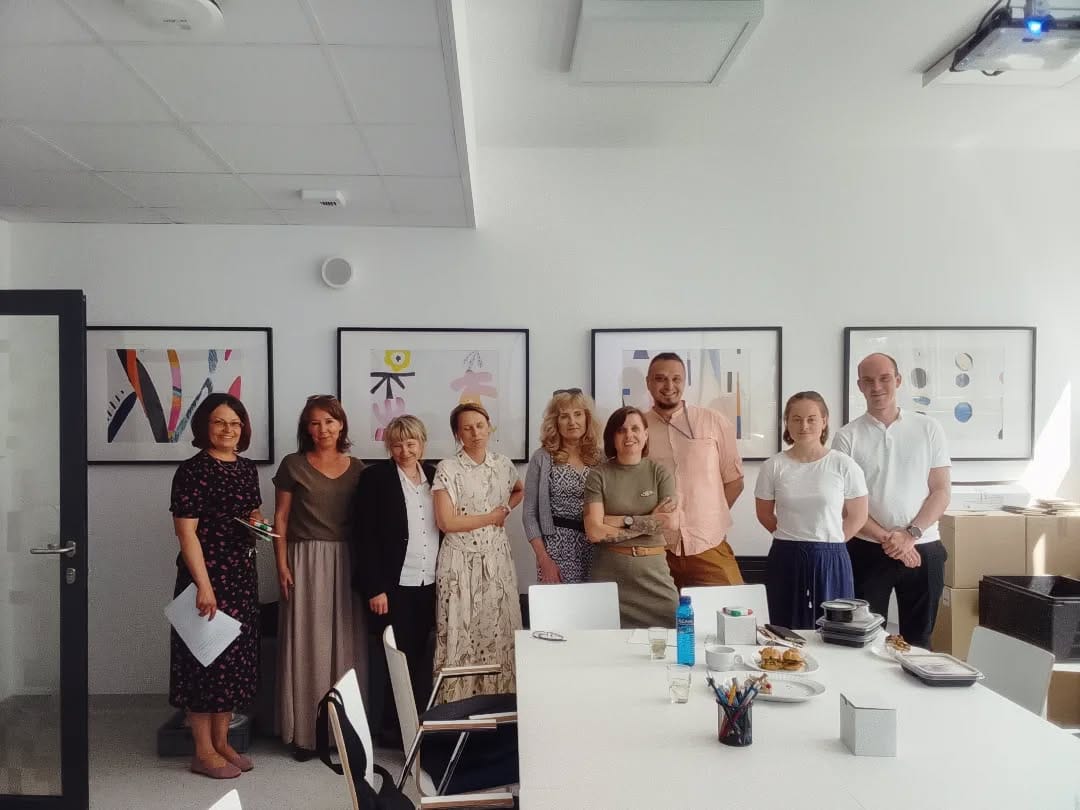

We have completed a series of 12 workshops on intercultural communication for employees of Lublin University of Technology, including both teaching and research staff and administrative staff. It was a period of intensive work, reflection, conversation, and experience-sharing that showed just how much we can learn from one another when we pause for a moment and try to see the world from someone else’s perspective.
The workshops focused on diversity, intercultural communication, stereotypes, unconscious bias, and the experience of culture shock. Participants had the opportunity not only to learn about the theoretical aspects of working in a diverse academic environment, but above all to explore these topics through exercises, discussions, and practical workshop activities. The training materials emphasised that intercultural competence does not mean knowing every culture in the world. Rather, it means being willing to reflect, remain attentive, and keep learning.
The workshops provided space for asking questions, challenging established beliefs, and examining our own patterns of thinking. This often meant stepping outside our comfort zones: looking at our own privileges, communication styles, and assumptions that may seem self-evident in everyday life. At the same time, the work took place in an atmosphere of openness, mutual respect, and curiosity about others.
Some of the most valuable moments came when participants had the opportunity to “put themselves in the shoes” of people living in different cultural contexts. Discussions about migration, adapting to a new environment, and the everyday challenges faced by people studying and working outside their home countries helped participants better understand the realities of those living far from home. They also encouraged reflection on the privilege of being able to live in one’s own country, speak one’s own language, and navigate a familiar social system.
Throughout the sessions, participants shared their stories, professional experiences, and personal perspectives. As a result, the workshops became not only a place to gain knowledge, but also a space for building relationships and mutual understanding. Conversation, listening, and sharing experiences proved to be among the most important tools for developing intercultural competence.
It was particularly inspiring to see how participants’ perspectives evolved over the course of the series. Things that had initially seemed obvious gradually took on new meanings. Doubts became a starting point for deeper reflection, while differences came to be seen as opportunities for growth rather than obstacles.
It is encouraging that universities are increasingly addressing diversity and social inclusion. Investing in the development of intercultural competence among people working in academia helps create a more open, empathetic, and welcoming environment for everyone in the university community. In a world that is becoming increasingly international and diverse, such initiatives are not an optional addition to education — they are an essential part of it.
We would like to thank all participants for their engagement, their courage in asking difficult questions, and their willingness to learn together. It is through encounters like these that we can build a university community grounded in dialogue, respect, and mutual understanding.