
How can we create a place where everyone feels seen, respected, and welcome? How can we ensure that accessibility is not merely a collection of individual technical solutions, but becomes part of the everyday practice of cultural institutions? 💙
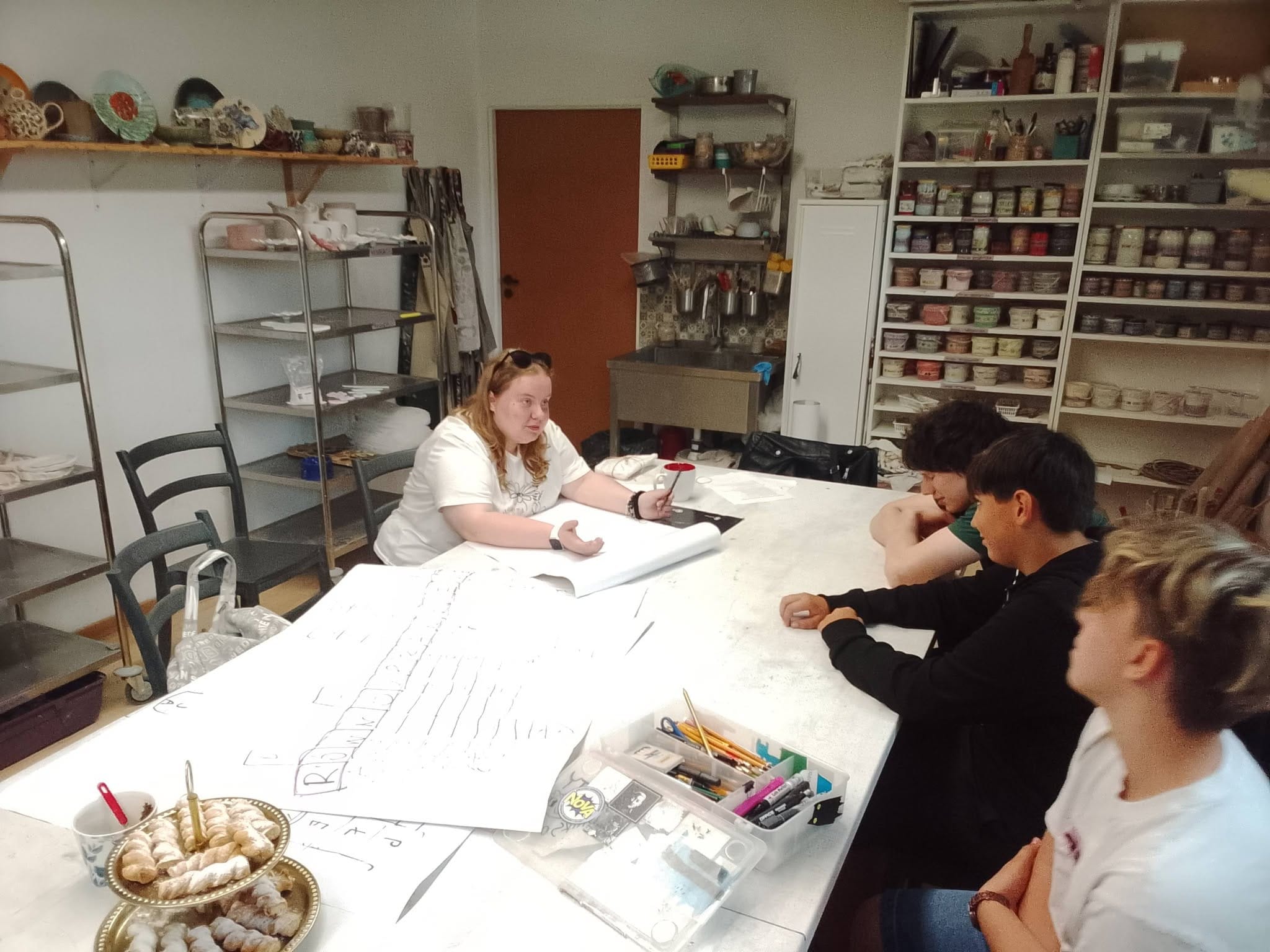
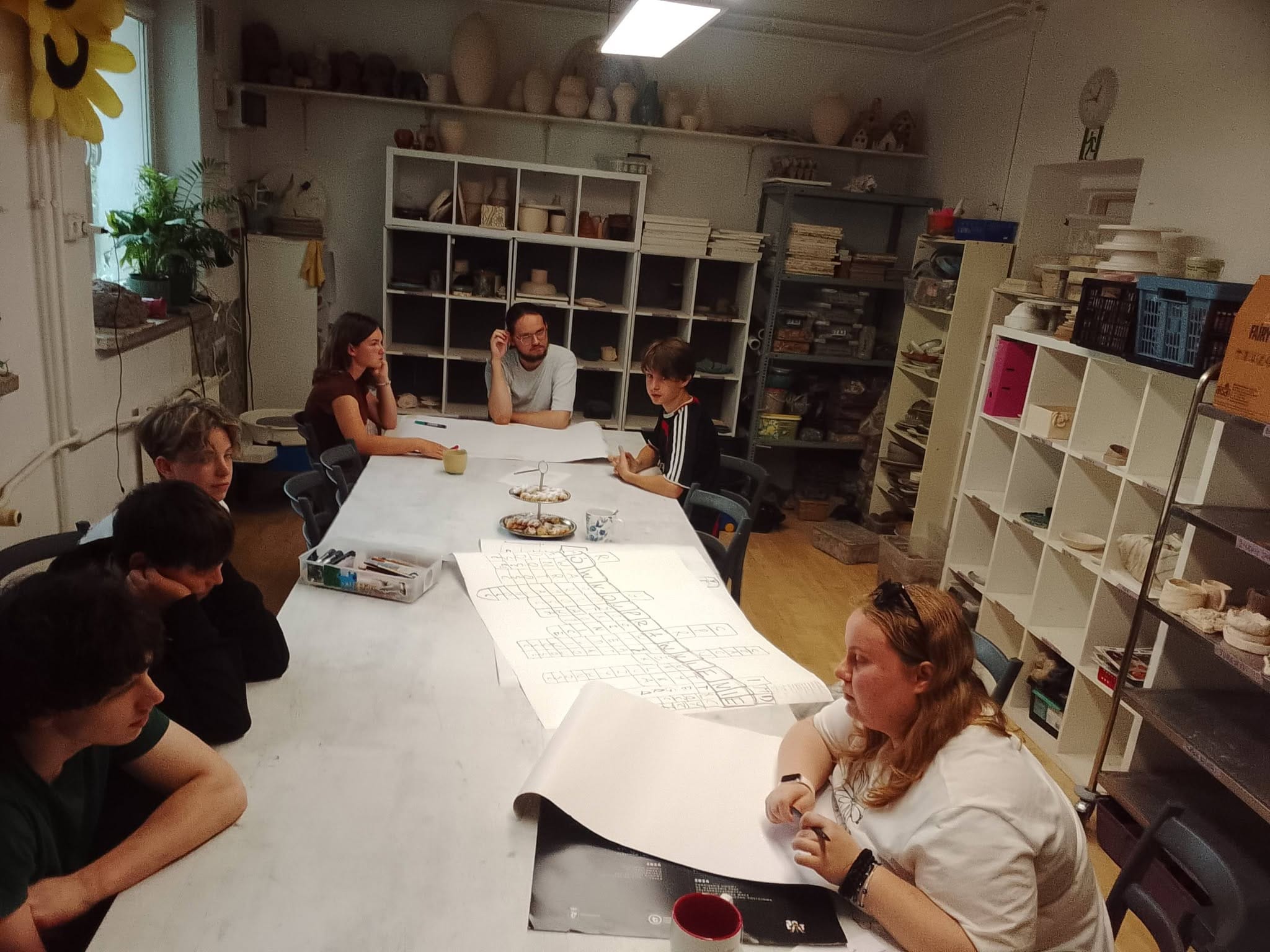
During a workshop for volunteers at the Wawer Cultural Centre – Aleksandrów Branch, we discussed the meaning of:
✨ diversity,
⚖️ equality,
🤲 inclusion.
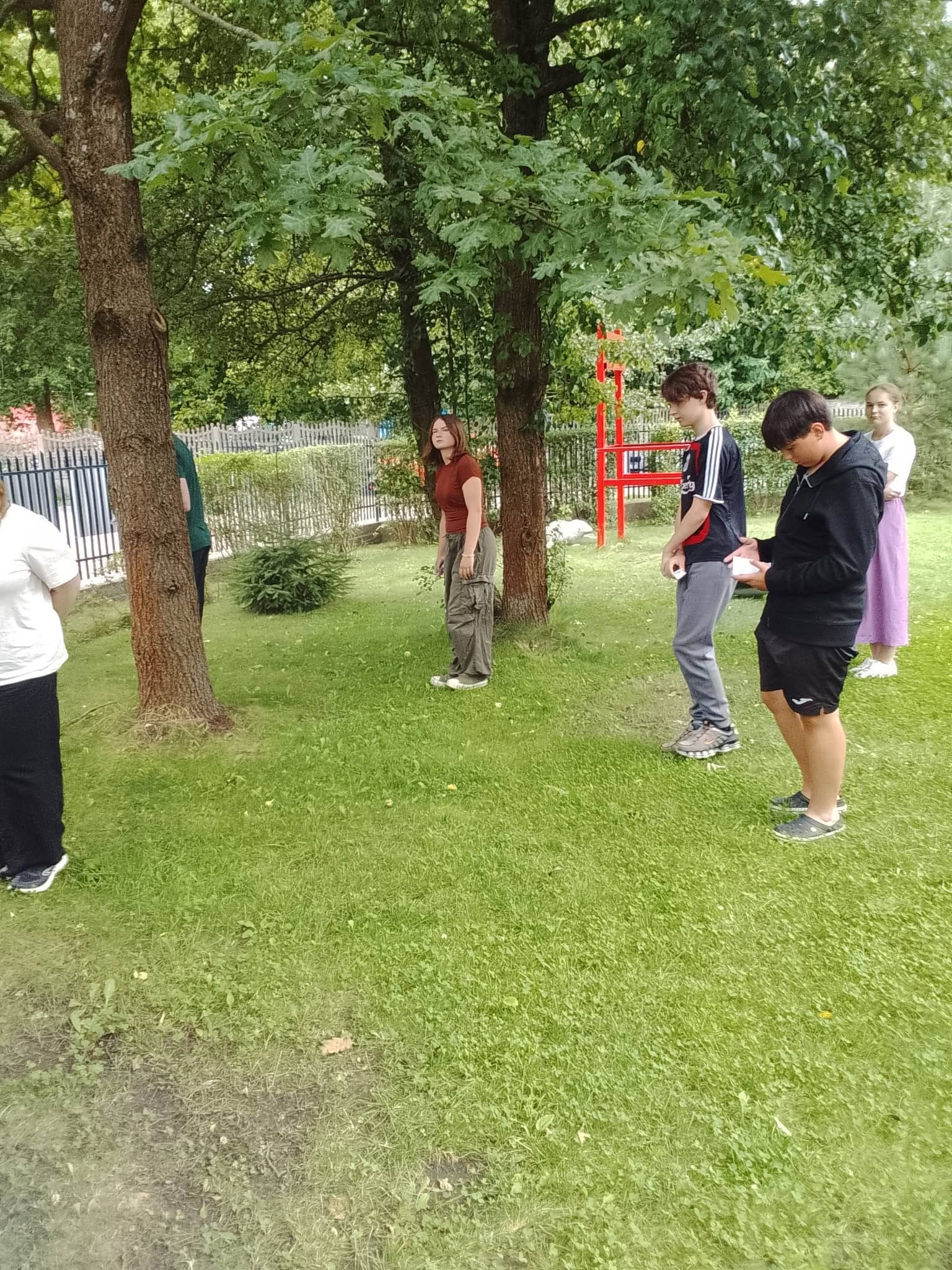
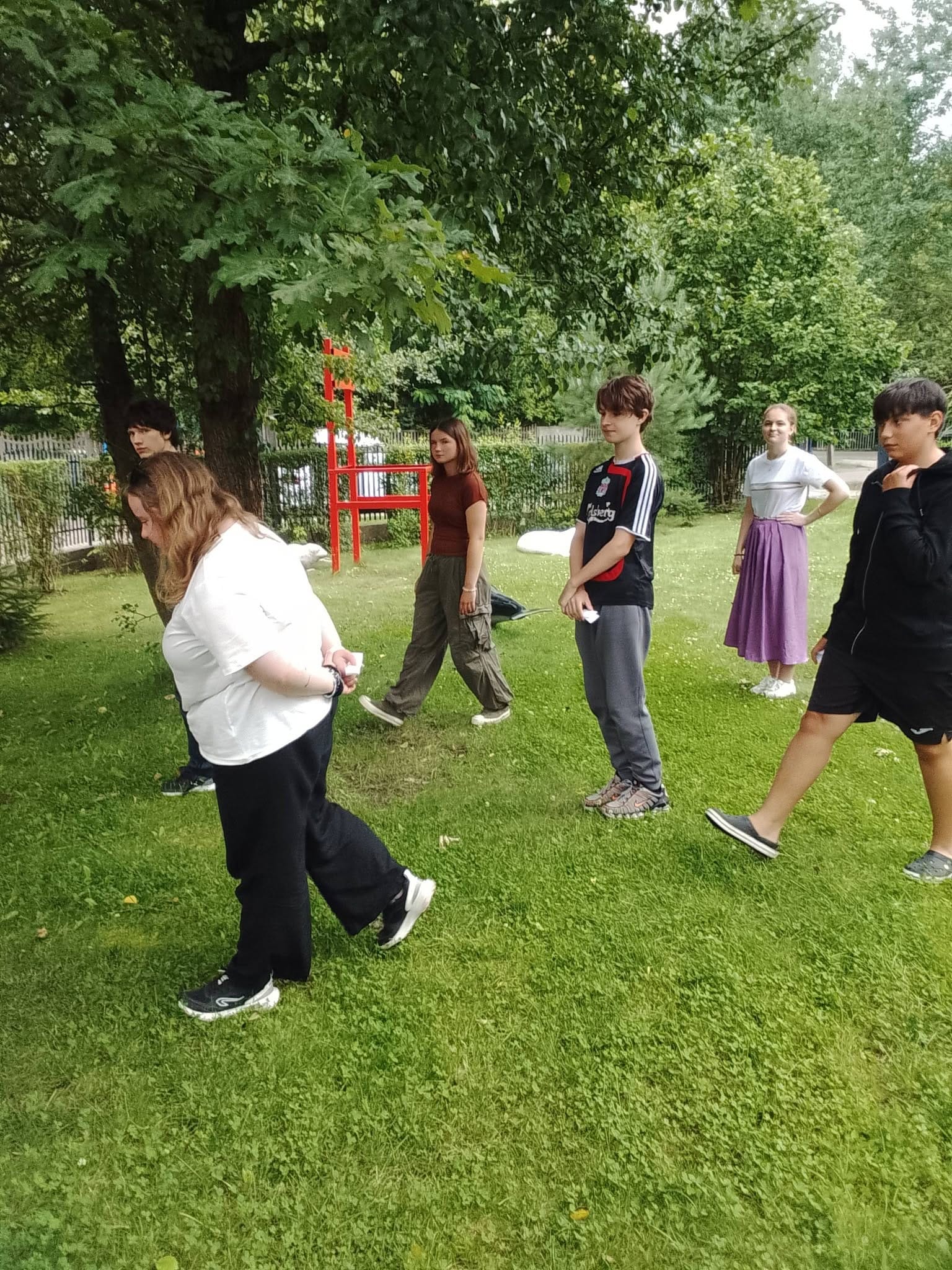
However, this was not a meeting devoted solely to definitions and theory. Above all, we learned through experience: we explored different perspectives, stepped into the roles of people with different needs, and considered the barriers they might encounter when interacting with a cultural institution.
Because accessibility in culture means much more than removing architectural barriers. It also concerns communication, the atmosphere of a venue, a sense of safety, the opportunity to participate in decision-making, and the recognition that every one of us has the right to participate in cultural life on our own terms.
Accessibility – Between Quick Action and Long-Term Change
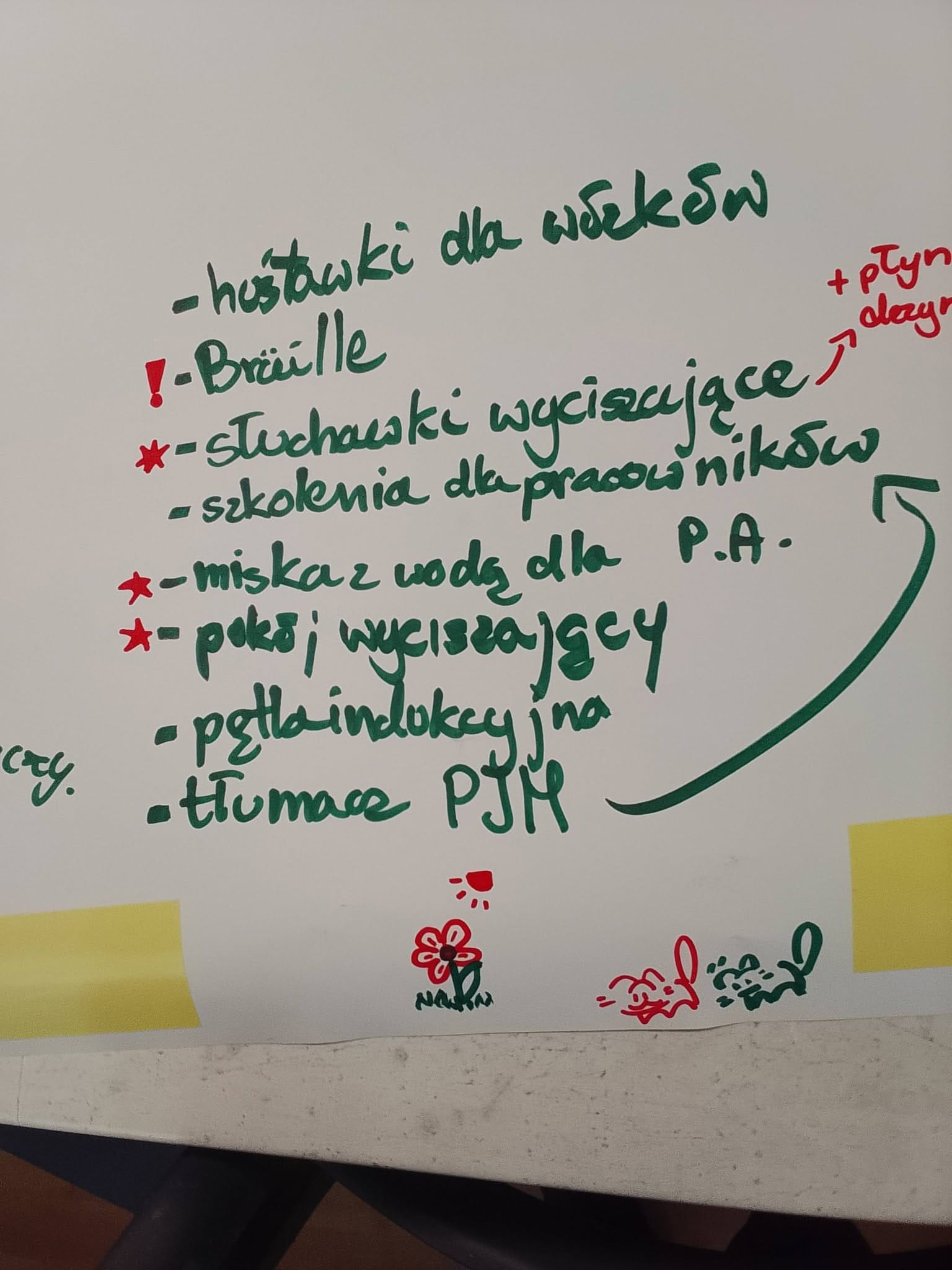
During the workshop, we worked together to identify solutions that could make a cultural institution more open and welcoming to different groups of visitors.
Some changes can be introduced quickly, with relatively few resources but a significant impact on visitors’ everyday comfort.
💡 Quick wins – small actions that make a difference:
🐕 a water bowl for assistance dogs,
🪧 pictograms and clear signs outside workshop rooms,
🪑 a more intuitive layout of the space,
📢 simpler, more accessible communication,
🤝 greater awareness among staff and volunteers of the different needs of visitors.
At the same time, we recognise that achieving full accessibility requires strategic and systemic action. It is a process that encompasses not only physical spaces, but also procedures, event programming, and the development of staff skills and knowledge.
🌱 Long-term measures may include:
🚪 installing automatic doors,
♿ creating recreational and educational spaces accessible to wheelchair users,
🏛️ consistently implementing accessibility standards,
📚 expanding the knowledge and skills of people working at the institution,
🗣️ regularly consulting people who will use the solutions being developed.
It is worth remembering that the greatest challenge in accessibility is often not a lack of goodwill, but the need to change the way we think. Accessibility is neither an “extra” nor something intended for a narrow group of people. It is a way of designing cultural life so that as many people as possible can take part.
Inclusion Begins with Participation
Responsibility for accessibility and inclusion rests primarily with cultural institutions. They develop strategies, make decisions, and have the power to introduce lasting changes. At the same time, no institution should design accessibility solutions solely from behind a desk.
Involving the local community plays a key role here: people who use the institution’s services, local residents, volunteers, and people with a wide range of life experiences. Their perspectives help identify barriers that might otherwise remain invisible.
Participation means more than simply asking the community for its opinion. It means inviting people to help shape the place itself. In this way, a cultural institution becomes a space created together – by people and for people.
Diversity That Builds Collaboration
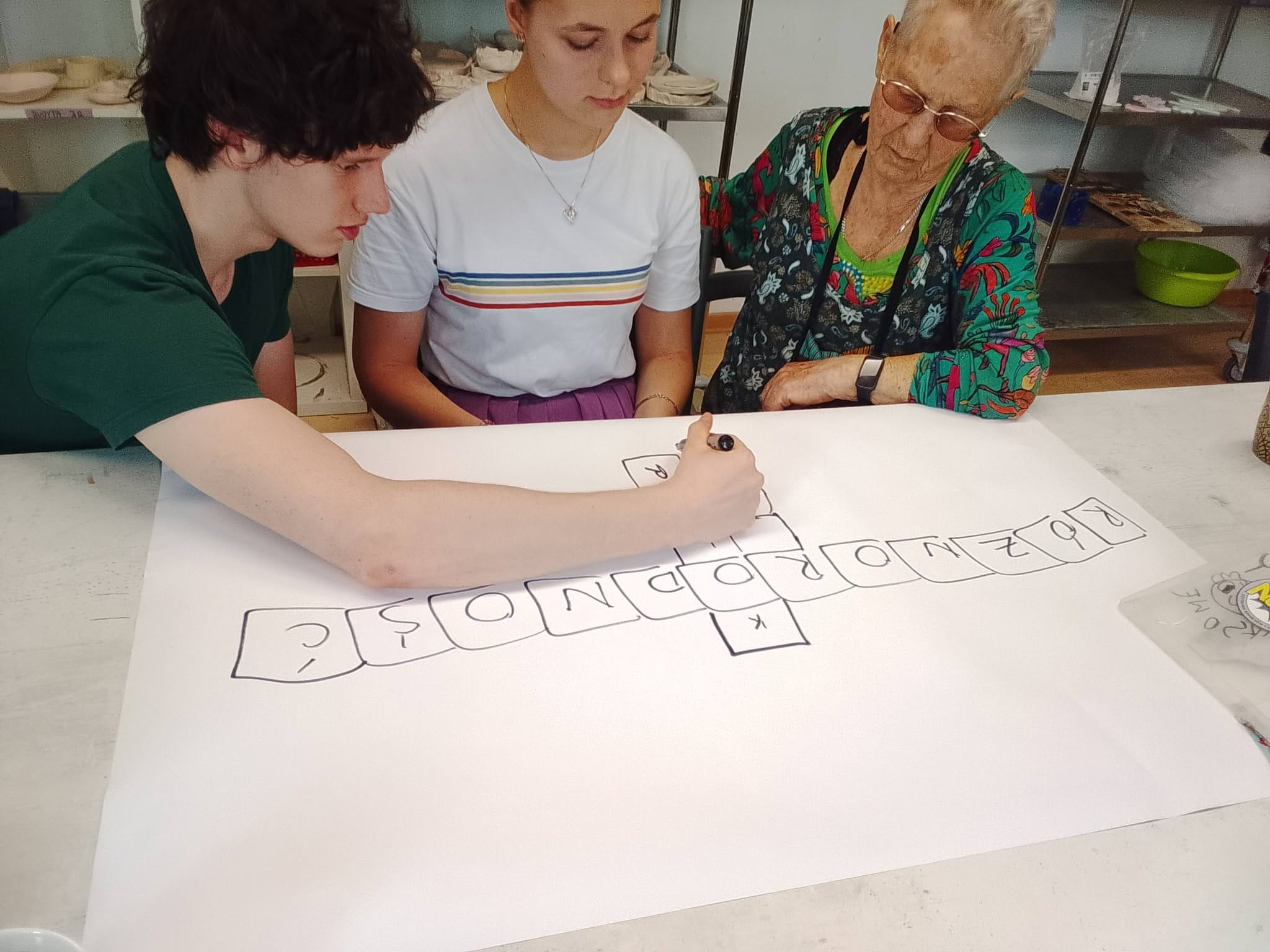
The greatest value of this meeting was the diversity of the participants themselves. The group brought together people ranging from primary school pupils to an 87-year-old participant – people with different experiences, stories, and ways of seeing the world.
Can such a diverse group become a space for collaboration? Yes – but it does not happen automatically.
One relevant explanation is Gordon Allport’s contact hypothesis, which holds that contact between members of different groups does not necessarily lead to greater understanding. For diversity to become a source of collaboration, certain conditions need to be met.
Among other things, Allport identified:
🎯 common goals – situations in which people with different backgrounds work towards something that matters to everyone,
⚖️ equal status among participants – the understanding that everyone has an important voice and contributes a valuable perspective,
🤝 cooperation rather than competition – creating an environment in which people can work together,
🏛️ institutional support and social acceptance of contact – a clear signal that diversity and cooperation are values supported by the organisation.
The workshop provided precisely this kind of space: people of different ages and with different experiences worked towards a common goal – making a cultural institution more accessible.
Accessibility begins with attentiveness. Inclusion begins with relationships. And a culture that is open to everyone emerges when different people have the opportunity not only to participate, but also to help shape it.
Thank you to all the participants for their openness, commitment, and inspiring ideas. Together, we are creating a culture where there is room for everyone. 🌿