
Education promoting diversity and human rights is most often associated with anti-discrimination workshops or academic lectures. We rarely think of a Pride festival as an advanced form of adult learning in practice. Yet a June visit to Copenhagen, organised as part of the Erasmus+ project Be Included, showed that modern civic education develops precisely in urban spaces and through cross-sector relationships.
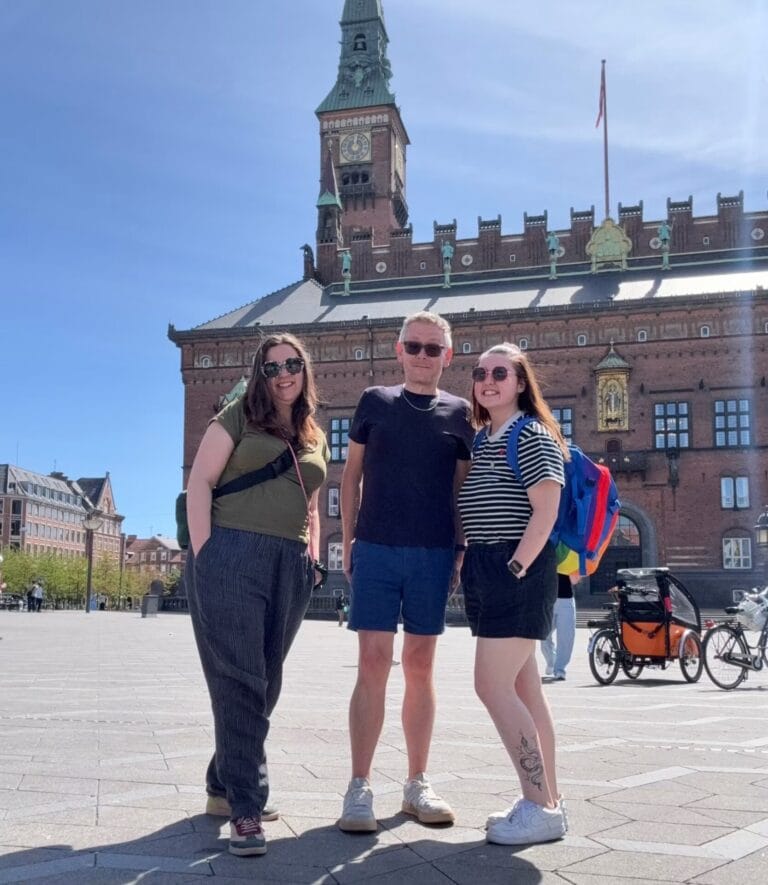
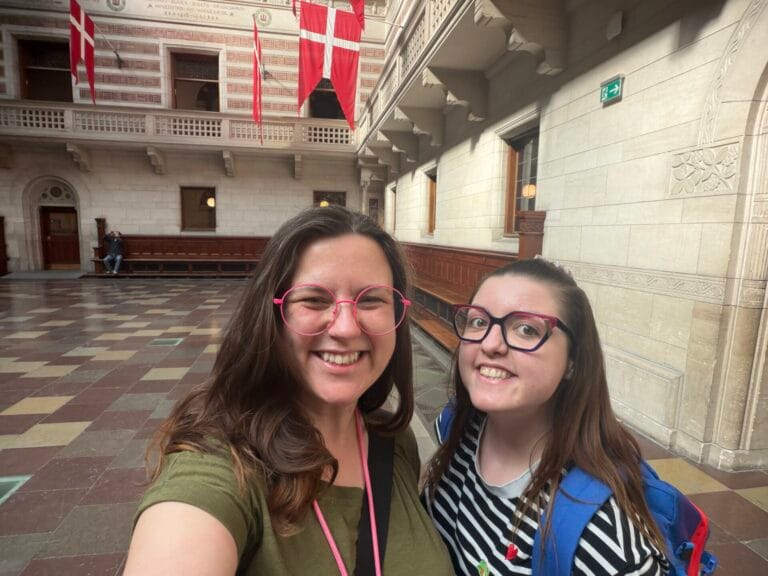
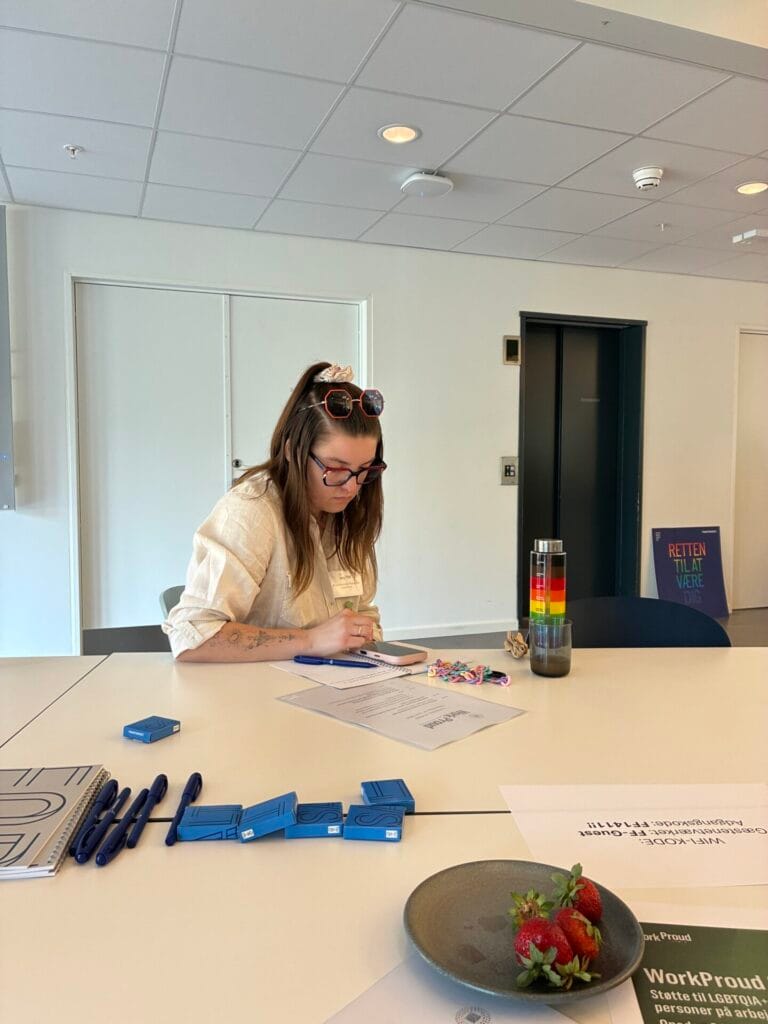
The event offered a unique opportunity to observe first-hand and learn about practical solutions used by organisations working to advance equality and inclusion. Jola Prochowicz and Alicja Sienkiewicz, experts working with Inna Foundation, took part in a job-shadowing programme, attending events organised as part of Copenhagen Pride and the international WorkProud 2026 conference.
Their participation focused on learning, exchanging experiences, and discovering good practices related to equality, diversity, and inclusion. During the visit, they attended meetings, presentations, and discussions on topics including building alliances between the non-profit sector and businesses to advance LGBTQIA+ rights, preventing exclusion, and increasing the visibility of minority groups.
Pride as a Living Lesson in History and Strategy
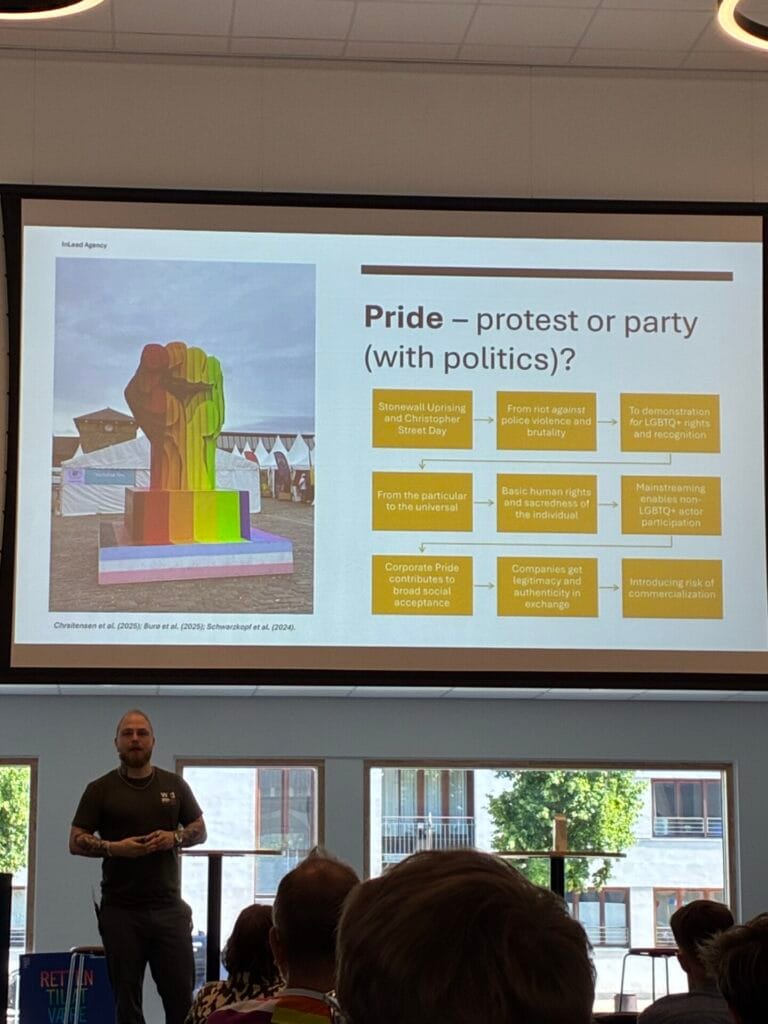
This year, Copenhagen Pride celebrated its 30th anniversary. The programme placed particular emphasis on remembering two milestones: the 1969 Stonewall uprising in New York and Copenhagen’s first official Pride march in 1996.
This juxtaposition had significant educational value. It reminded adults — from corporate employees to public officials — that Pride is not simply a joyful parade. Above all, it is a living memory of the struggle for human rights, a considered political strategy, and a tool for increasing the visibility of marginalised groups. The educational value of the celebration lies in continually raising awareness of the struggles from which the rights we enjoy today emerged.
Responsible Allyship Instead of “Rainbow-Washing”
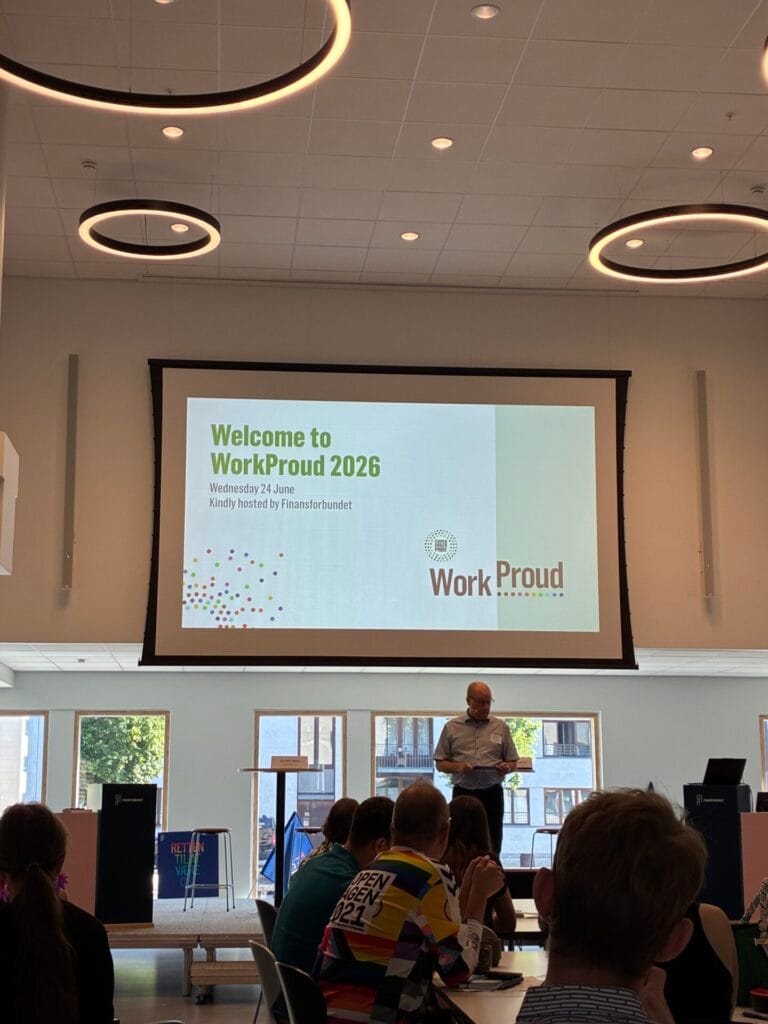
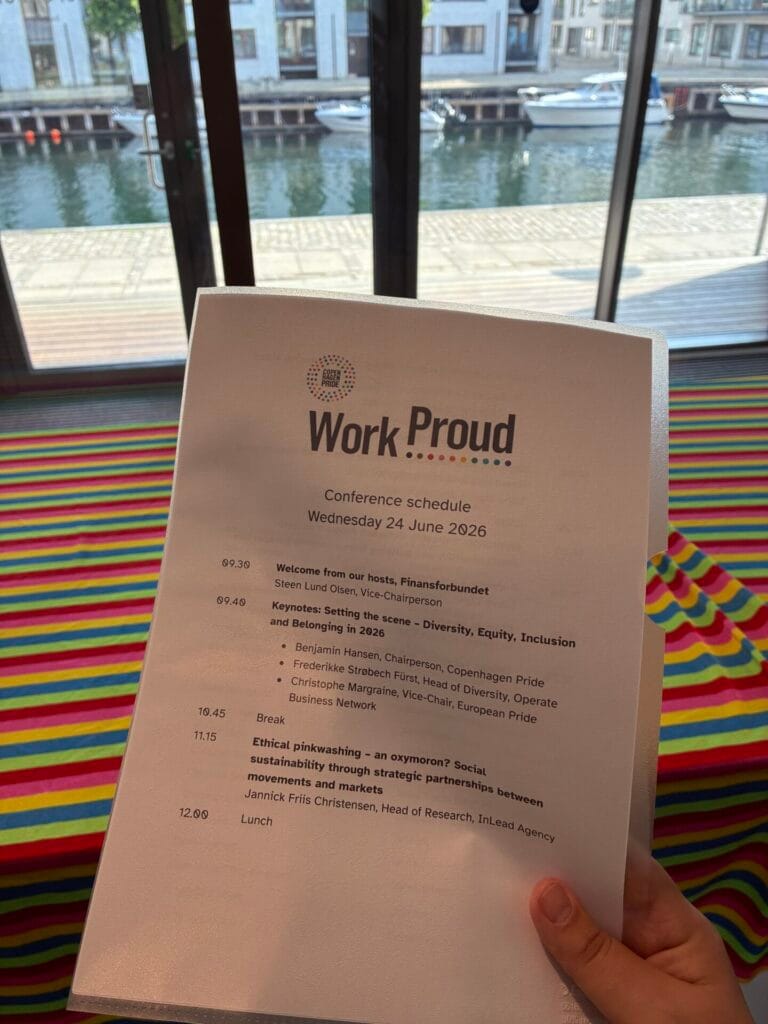
A key part of examining Copenhagen’s practices was the WorkProud conference, dedicated to LGBTQIA+ inclusion in the workplace. The way Copenhagen Pride builds bridges between non-governmental organisations, businesses, and public institutions offers a fresh perspective on cross-sector cooperation.
In Poland, such alliances are still often approached with considerable caution and are frequently equated with so-called pinkwashing. The Danish example showed, however, that open and responsible discussion is possible — provided that workers’ representatives, trade unions, and members of the LGBTQIA+ community themselves all have a seat at the table. The experts had the opportunity to learn effective approaches to organising equality-focused events, expanding professional networks, building partnerships, and securing funding for social initiatives.
A takeaway for organisations: Genuine inclusion is not about occasionally using minority symbols to improve an organisation’s public image. It is an educational process that requires a deep understanding of one’s own responsibility for language, anti-discrimination procedures, and the everyday safety of employees.
Intersectionality in Practice: Networks Instead of Silos
Pride in Copenhagen does not operate in isolation. It is part of a year-round programme of adult education in which intersectionality plays a key role — the understanding that different forms of exclusion can overlap and reinforce one another. The Copenhagen festival is supported by a well-functioning network of volunteers and partners, as well as ongoing work with migrants and newcomers. An important part of the programme involved discussions about creating safe, open, and supportive spaces specifically for these groups. The queer perspective is naturally integrated with intercultural education.
In Poland, where the competitive grant system often dominates, the lesson in solidarity within the non-profit sector was particularly inspiring. A large, well-established organisation such as Copenhagen Pride takes responsibility for supporting smaller organisations with more limited resources. This approach offers a valuable lesson in mature third-sector management.
Equality as an Ongoing Educational Commitment
Building equality in local communities requires stepping outside one’s own circles and seeking broad, sometimes unexpected alliances with businesses, public authorities, schools, and cultural institutions.
The visit provided a wealth of valuable knowledge and inspiration that will be brought back to Poland. Pride proves to be, above all, a long-term educational undertaking for society as a whole. Its success depends on whether these alliances are built ethically and responsibly, with a commitment to genuine, lasting changes in attitudes rather than short-term gains in public image.