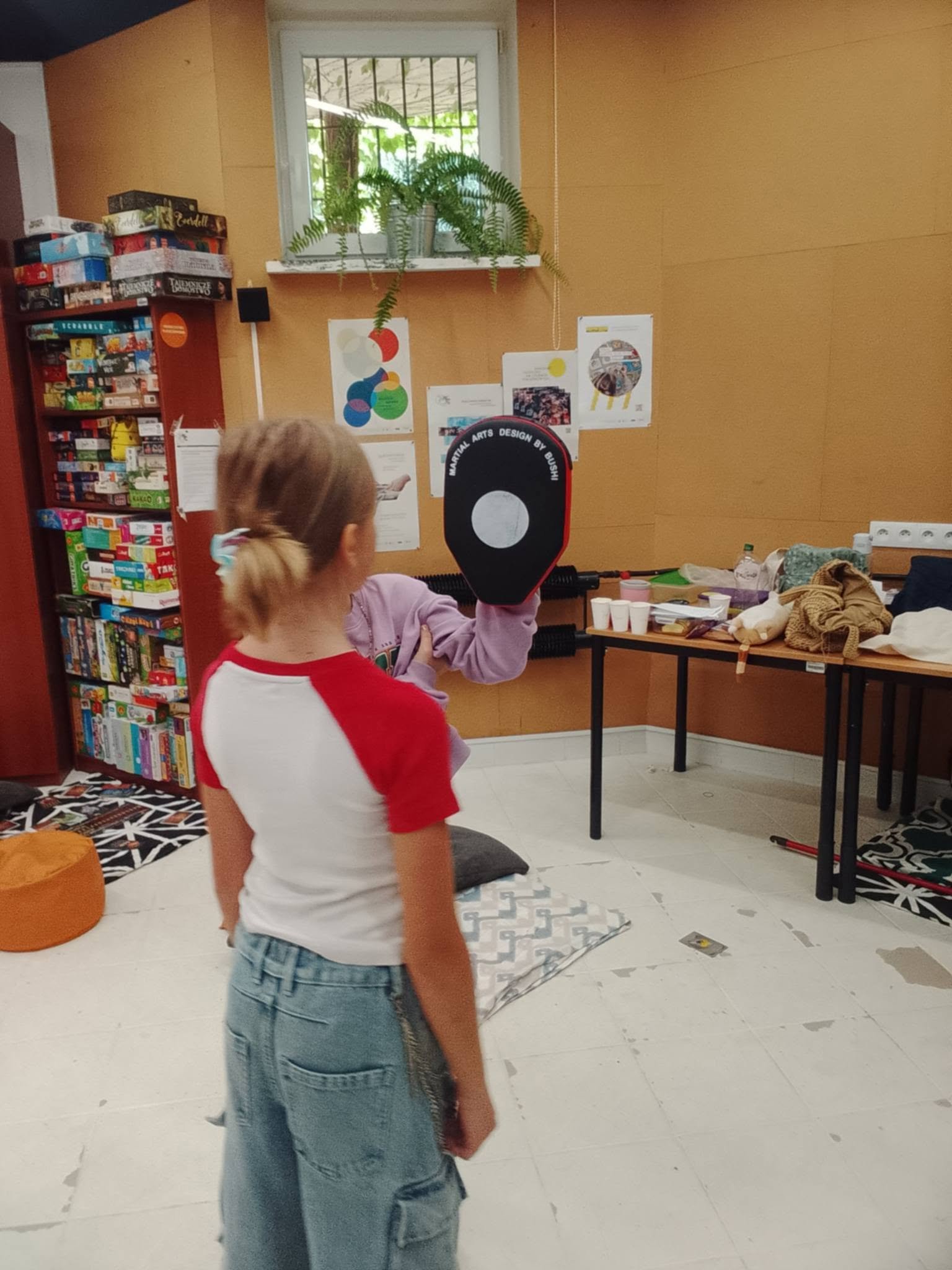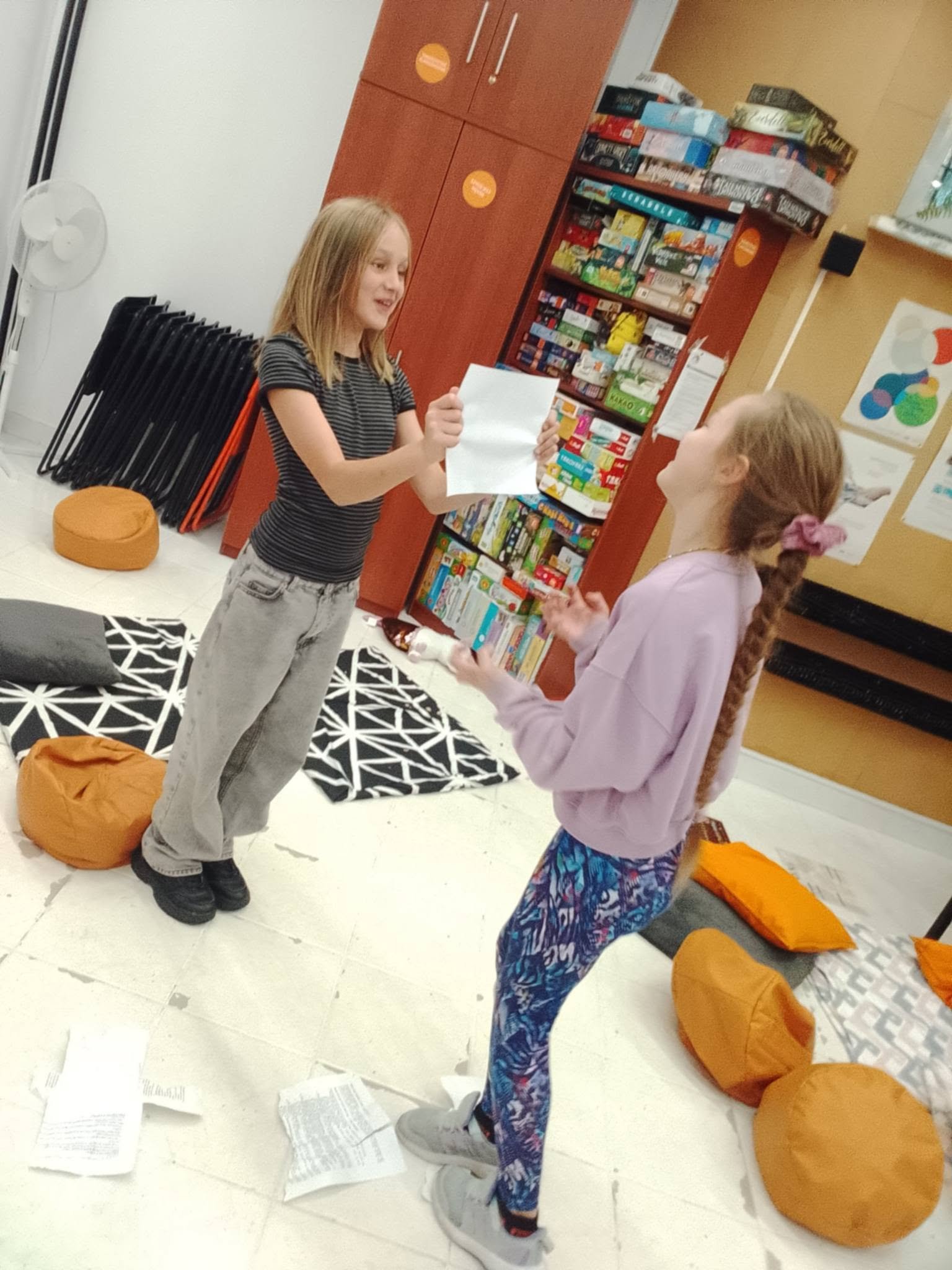

Last weekend, we held our 12-hour WenDo workshops – assertiveness and physical and psychological self-defence for girls aged 10–11.
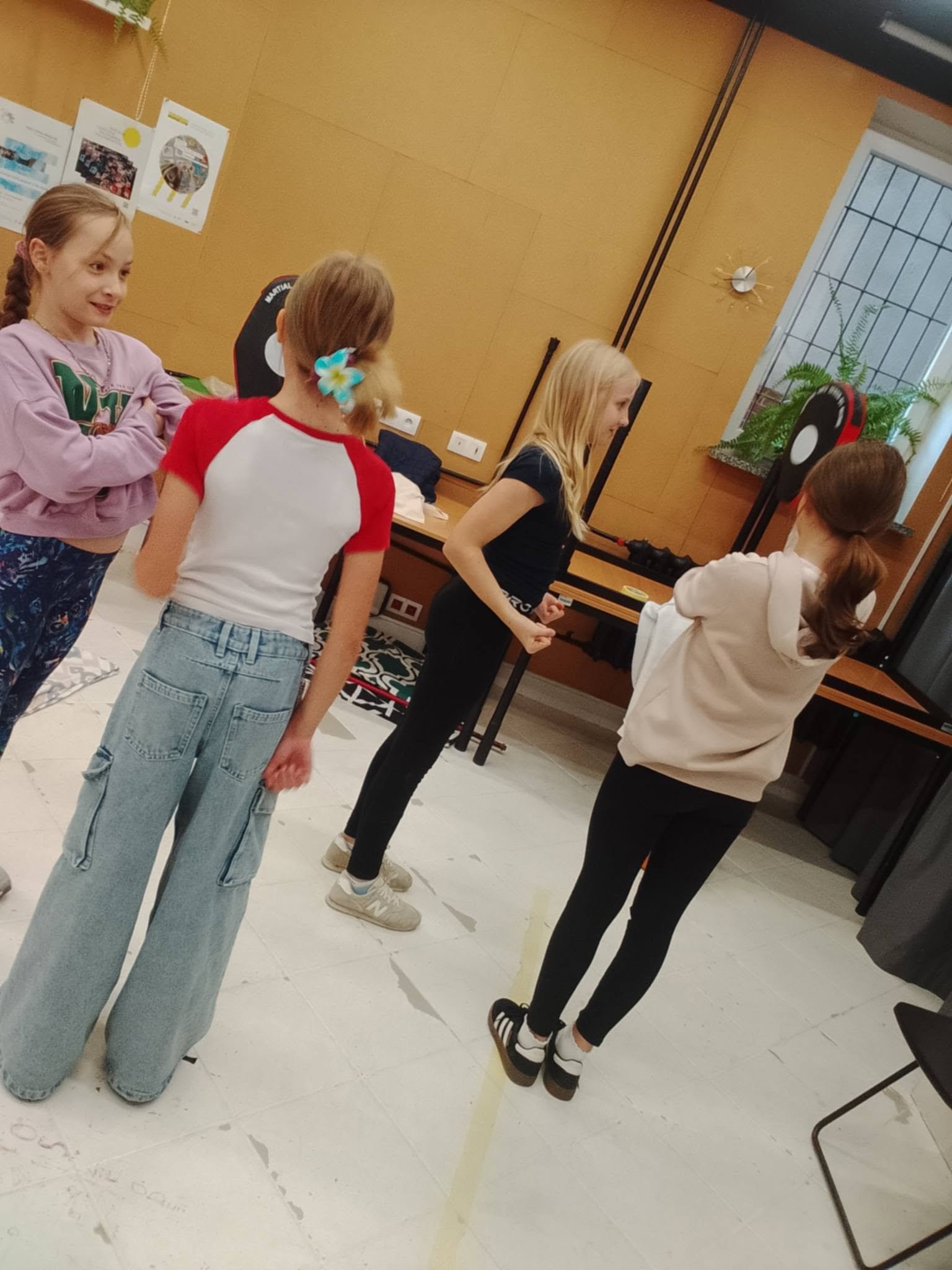
They were two intensive days full of movement, conversations, laughter, shouting, creativity, fun, and important discoveries about personal boundaries and ways of responding in difficult situations.
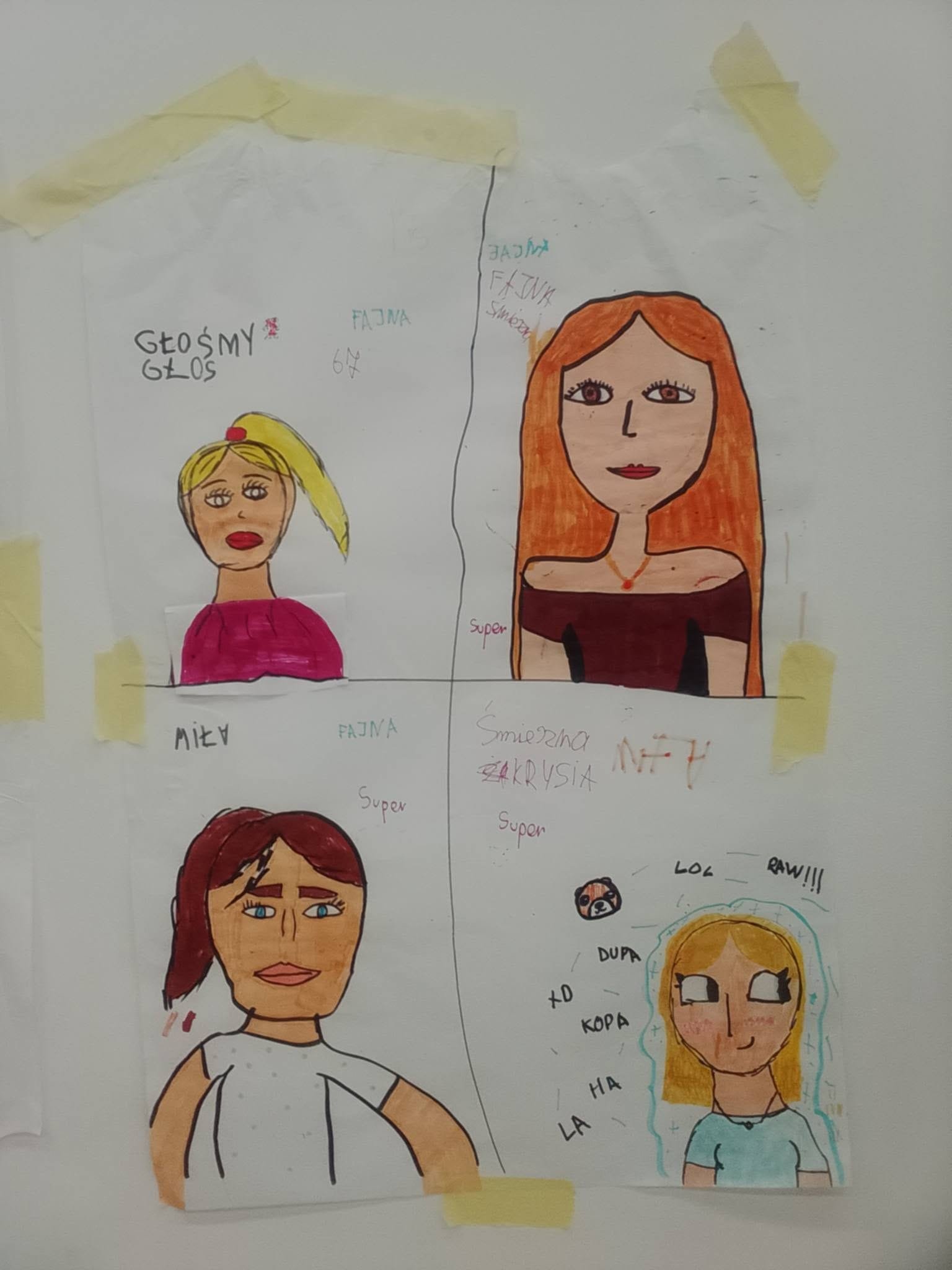
My Voice Matters
One of the important elements of the workshops was working with our voices.
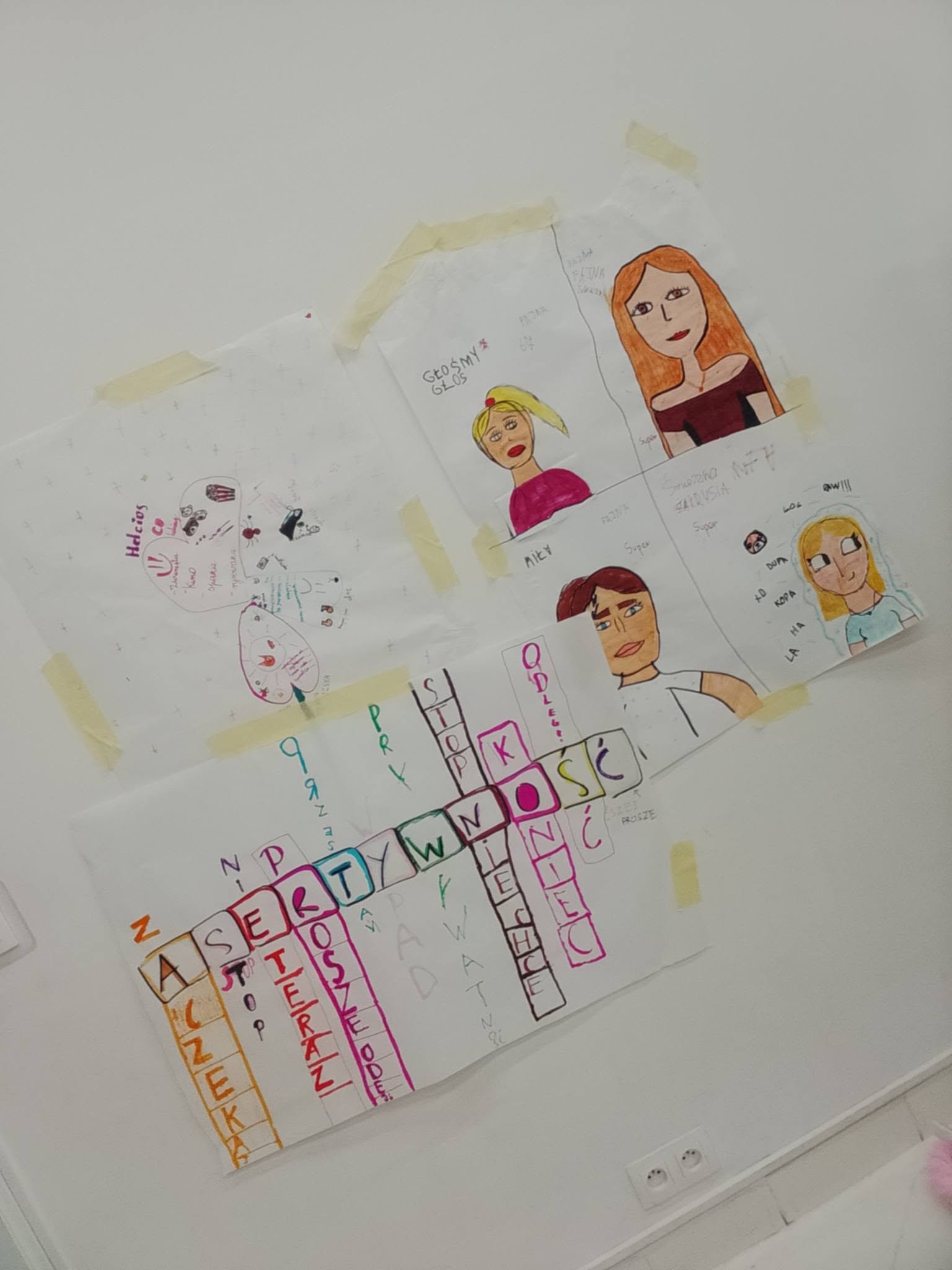
The girls practised assertive statements and explored what their voices sound like when they really want to say: “stop”, “don’t”, “I don’t want to”, “not now”, or “leave me alone”.
There was also plenty of shouting – and a lot of joy in being able to shout.
The girls emphasised that during these exercises they felt strong, powerful, capable, and confident. Shouting was therefore more than just a technique. It became an experience of their own strength and their ability to express themselves.
What Can I Do When Something Feels “A Bit Strange”?
In WenDo, an important part of the work involves recognising situations in which our boundaries may be crossed.
We talked about how sometimes it can be difficult to immediately put into words what exactly is happening. All we know is that something doesn’t feel right.
Someone might stare at us for a long time.
Someone might follow us.
Someone might poke us or make fun of us.
Someone might speak to us aggressively.
Someone might cross our boundaries when interacting with our peers.
We learned that we don’t have to wait until a situation becomes really serious before responding.
We can say “no”. We can use a firm voice. We can walk away. We can defend ourselves. We can run to a safe place. We can turn to other people.
And we can ask for help.
Asking for Help Is Wise and Brave
Being assertive doesn’t mean that we always have to handle things on our own.
One important part of the workshops was discussing how asking for help is a sign of courage and self-care. If something makes us feel uneasy, we can tell our parents, guardians, teachers, or another person we trust.
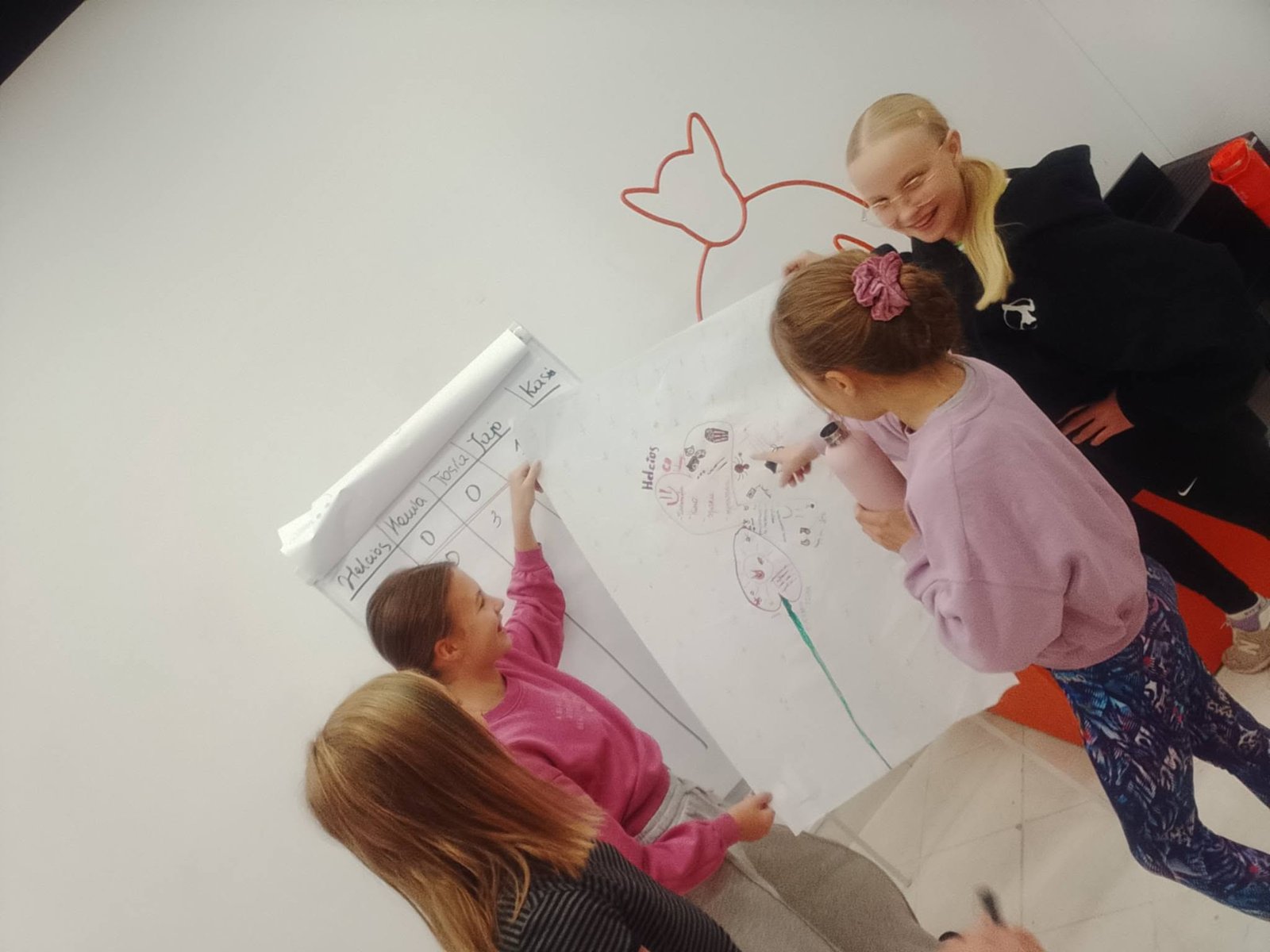
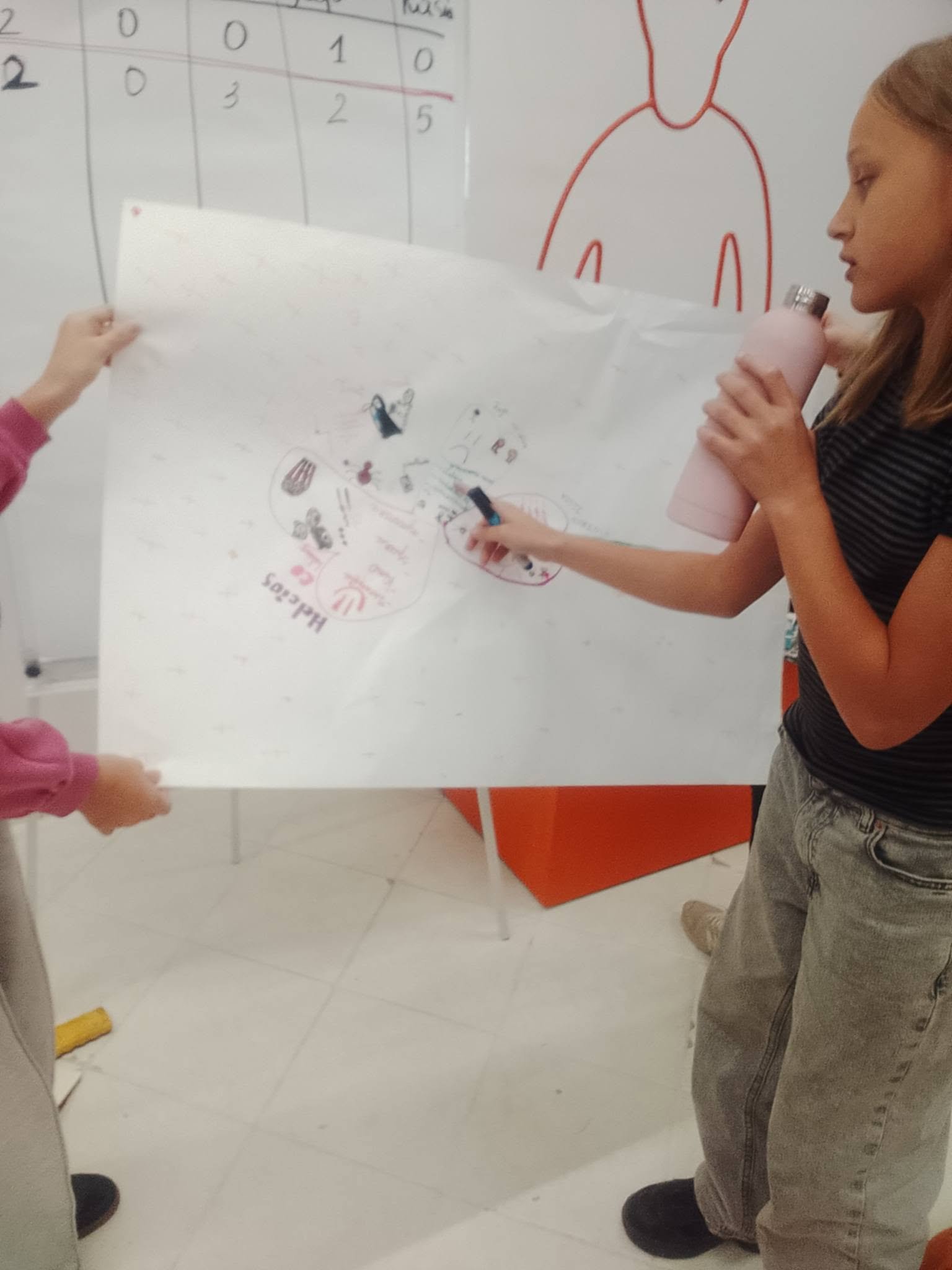
The girls also shared stories from their own lives. They talked about situations in which someone had followed them, poked them, or made fun of them. We considered what they had done at the time, how they had felt, and what other ways of responding they might have had.
The aim wasn’t to find one “right” answer. It was to create as wide a range of possible responses as we could, so that each girl could choose what to do depending on the situation.
Assertiveness Can Be Practised in Many Ways
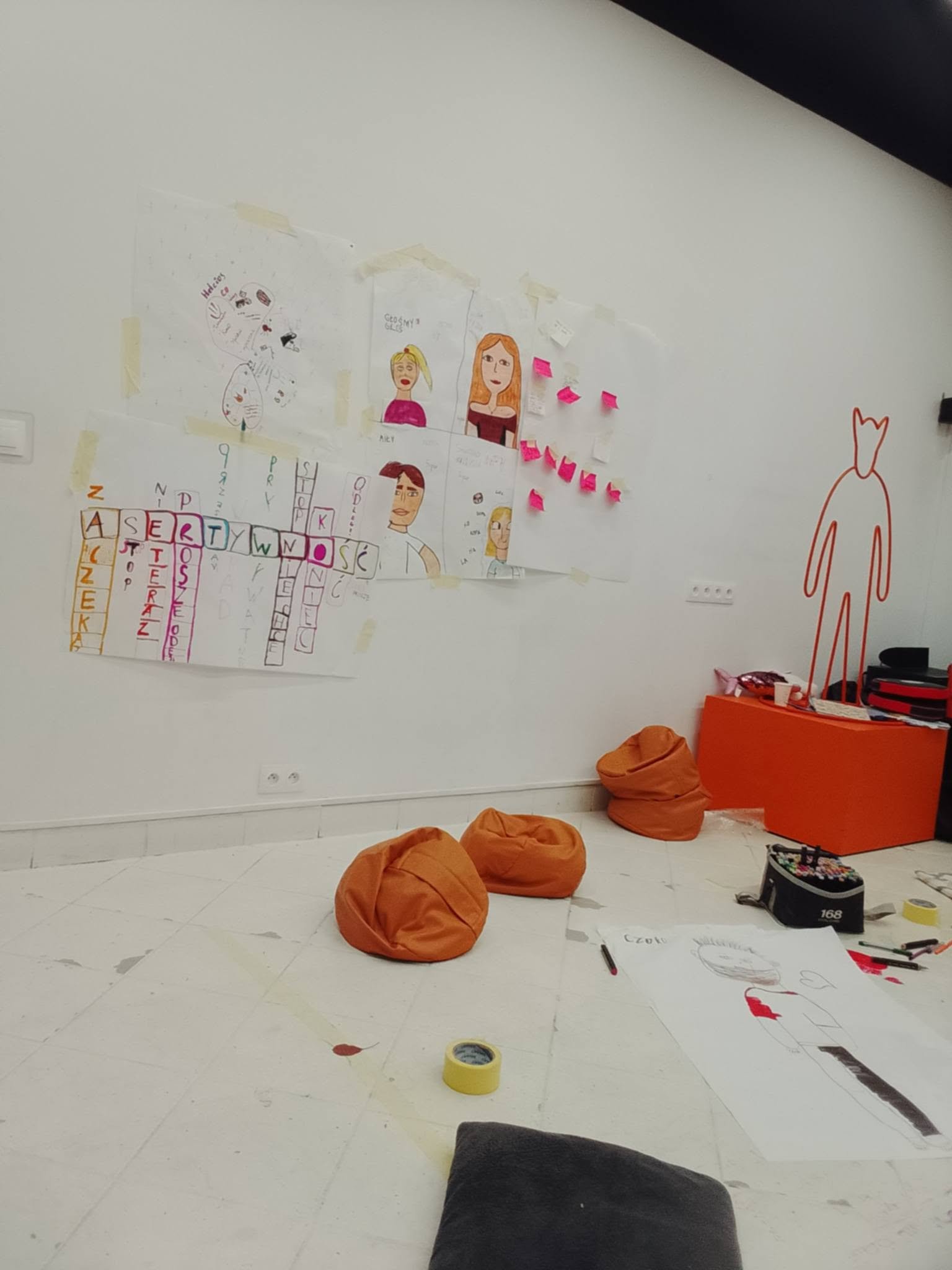
During the workshops, we used more than just physical exercises.
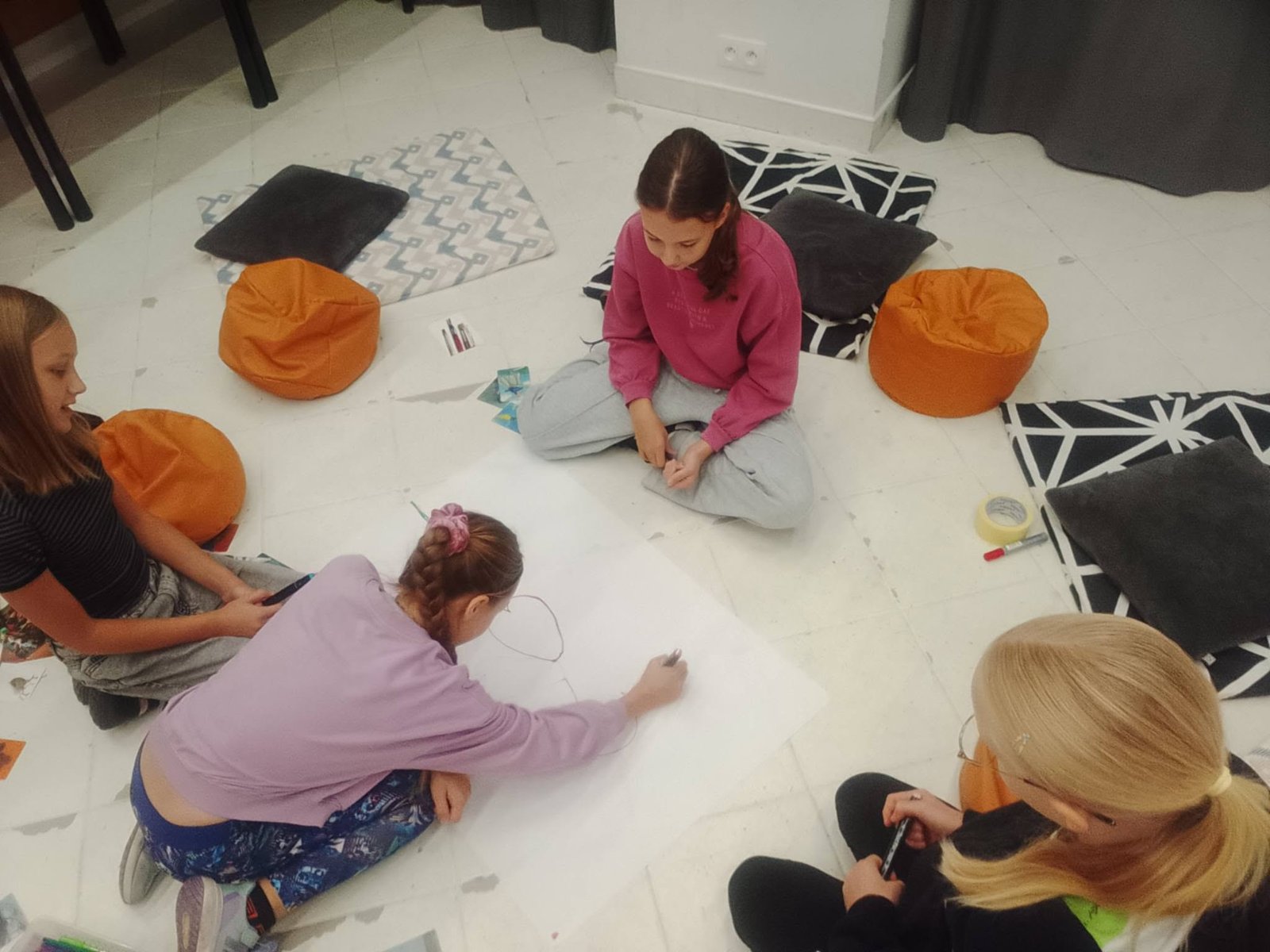
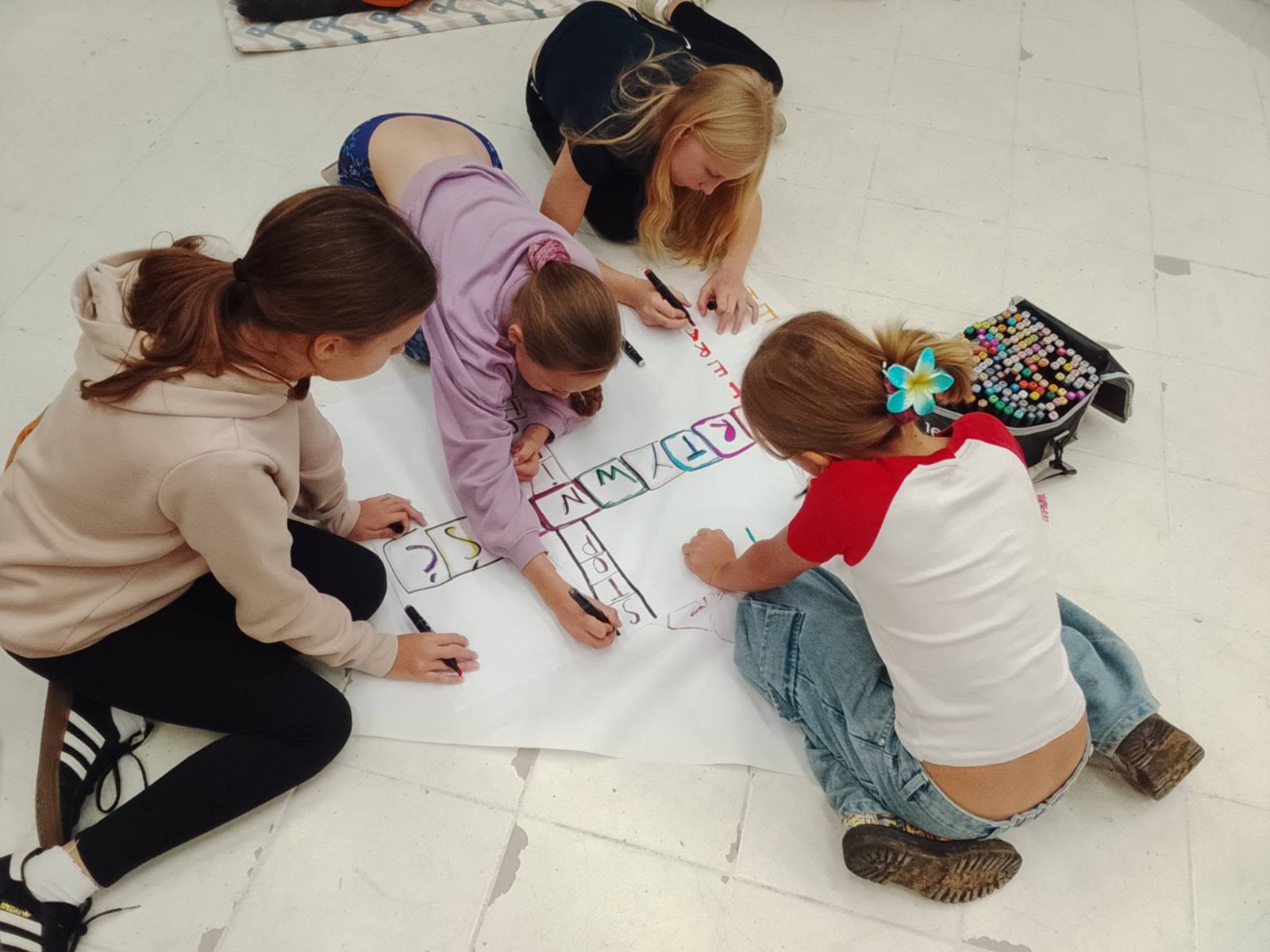
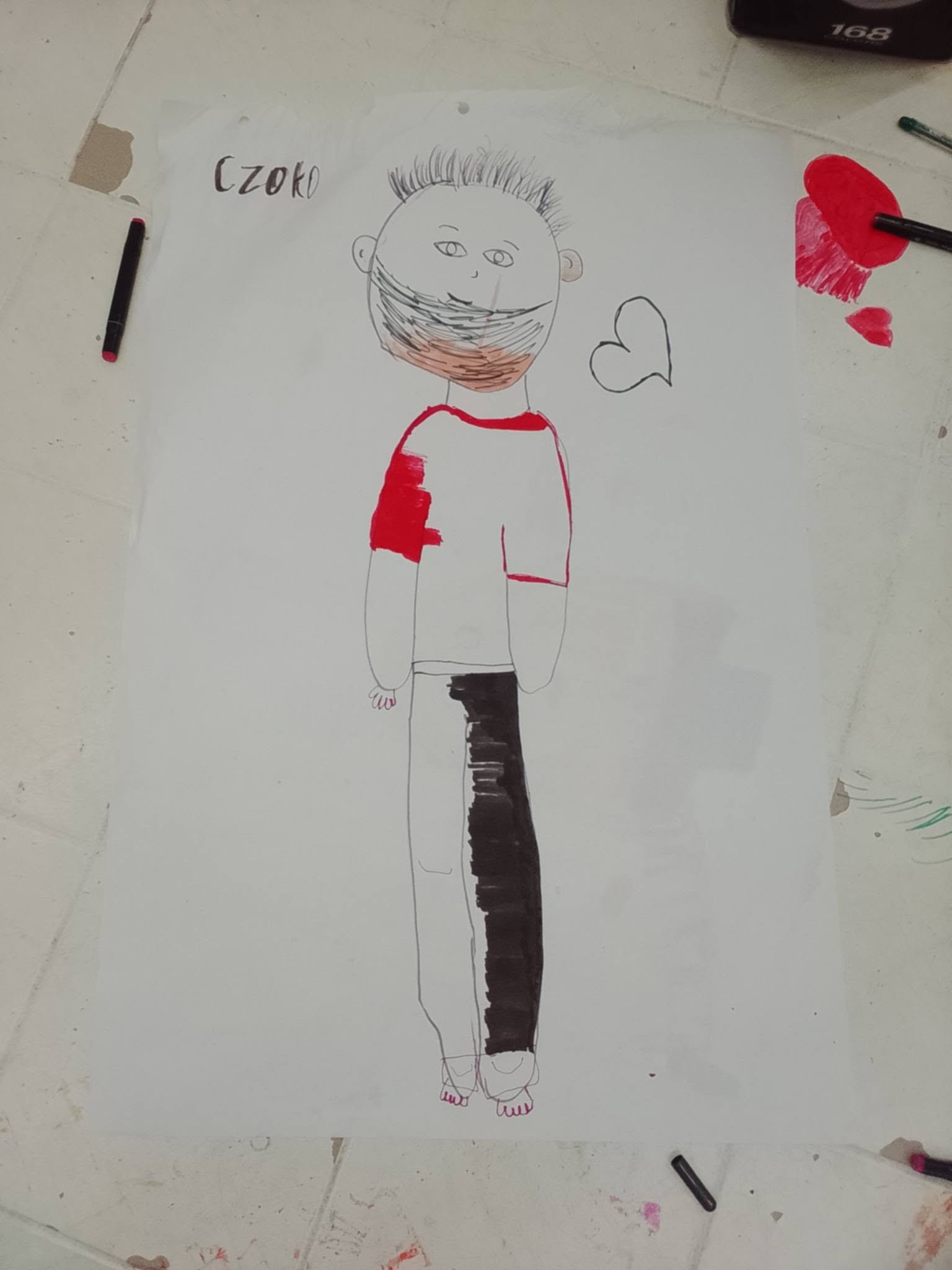
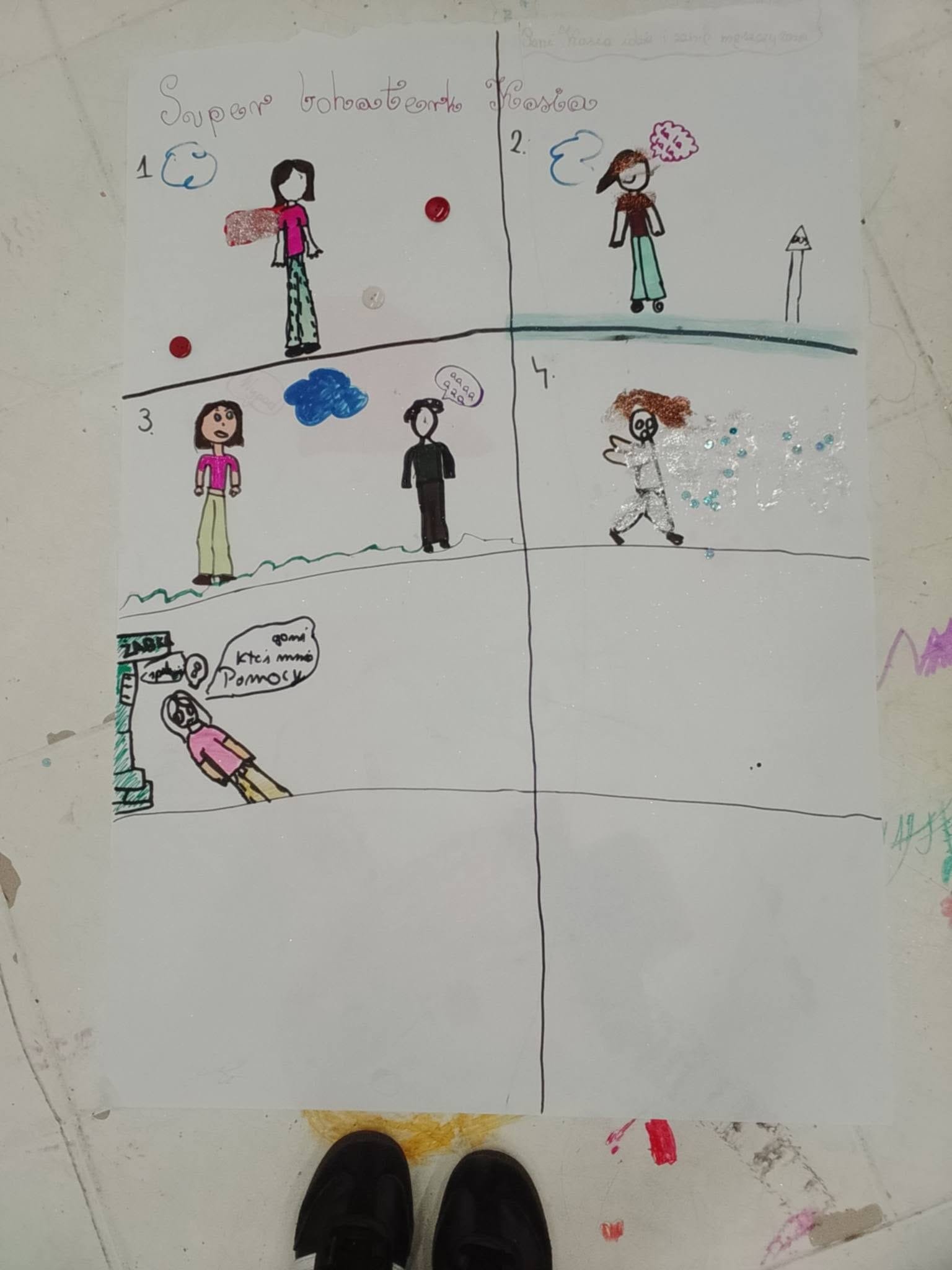
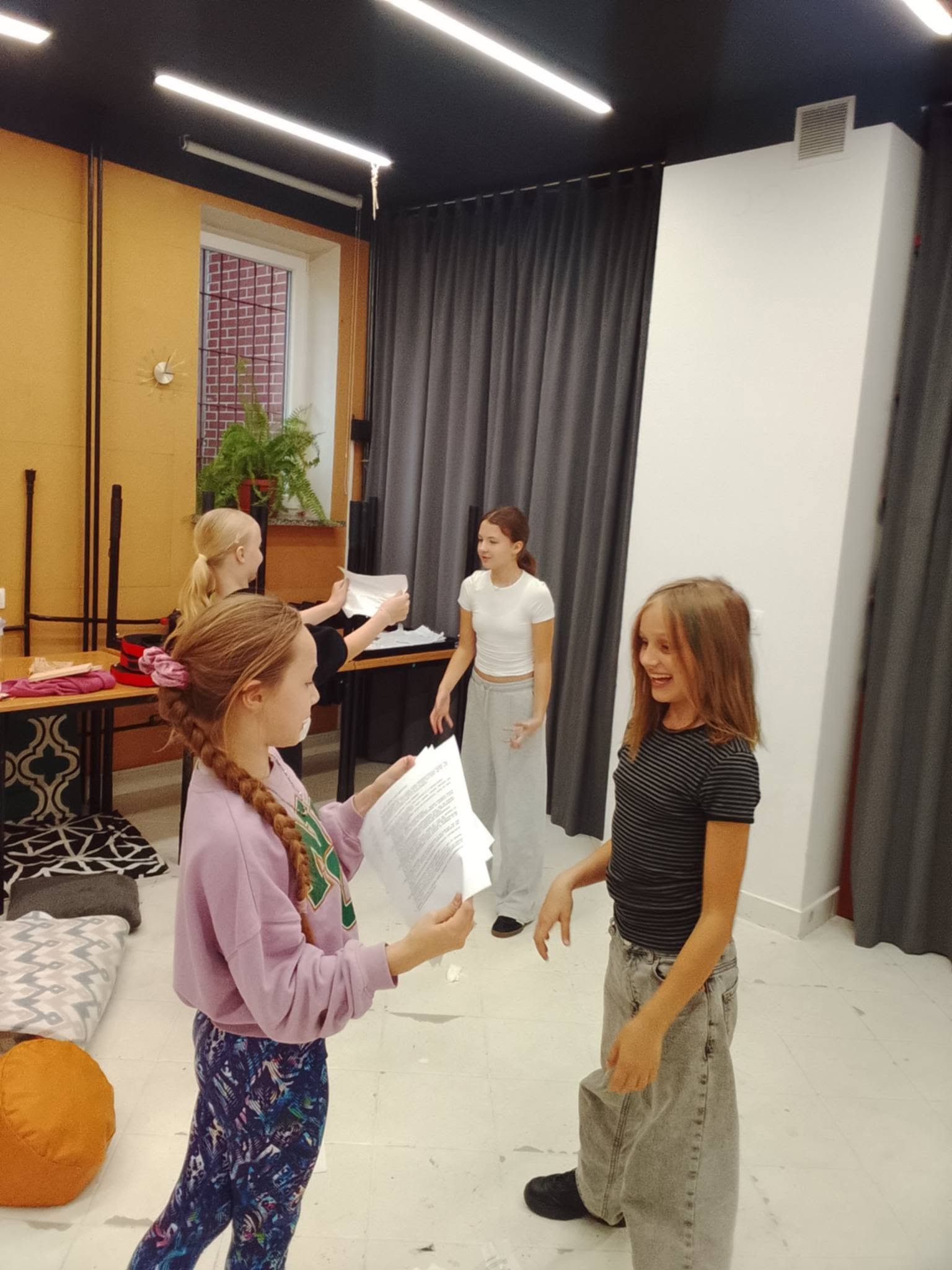
The girls drew pictures, created comics, and took part in role-playing activities and charades. Among other things, they came up with a story about a superheroine who notices that someone has started following her. The heroine knows how to respond and then – just as importantly – how to look after her own safety: she goes somewhere safe and asks for help.
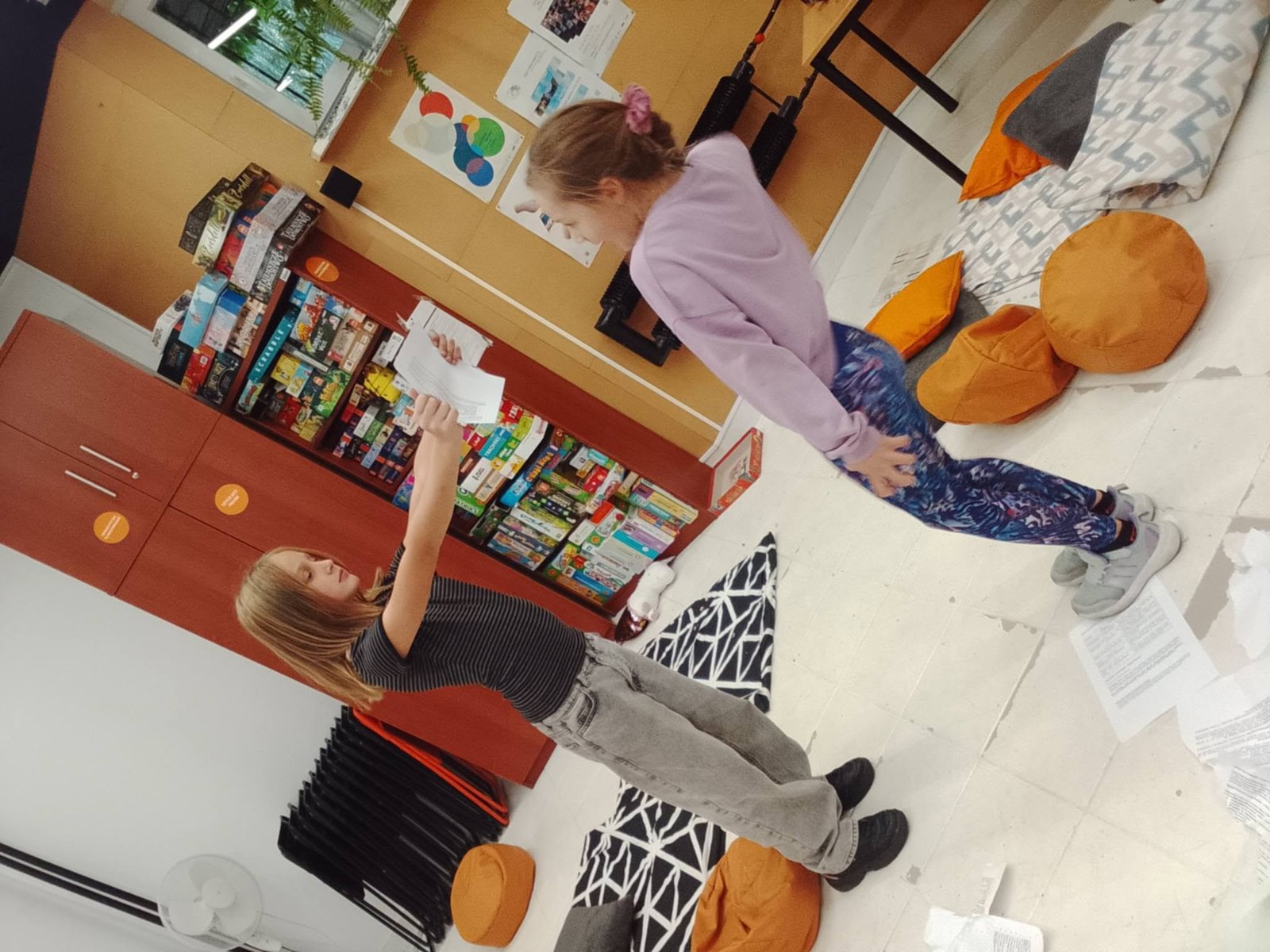
Through charades, we explored ways of responding to situations that might seem strange, unsettling, or difficult to put into words.
These creative activities allowed us to practise important skills in ways that felt natural and comfortable for the girls.
I Have the Right to Decide
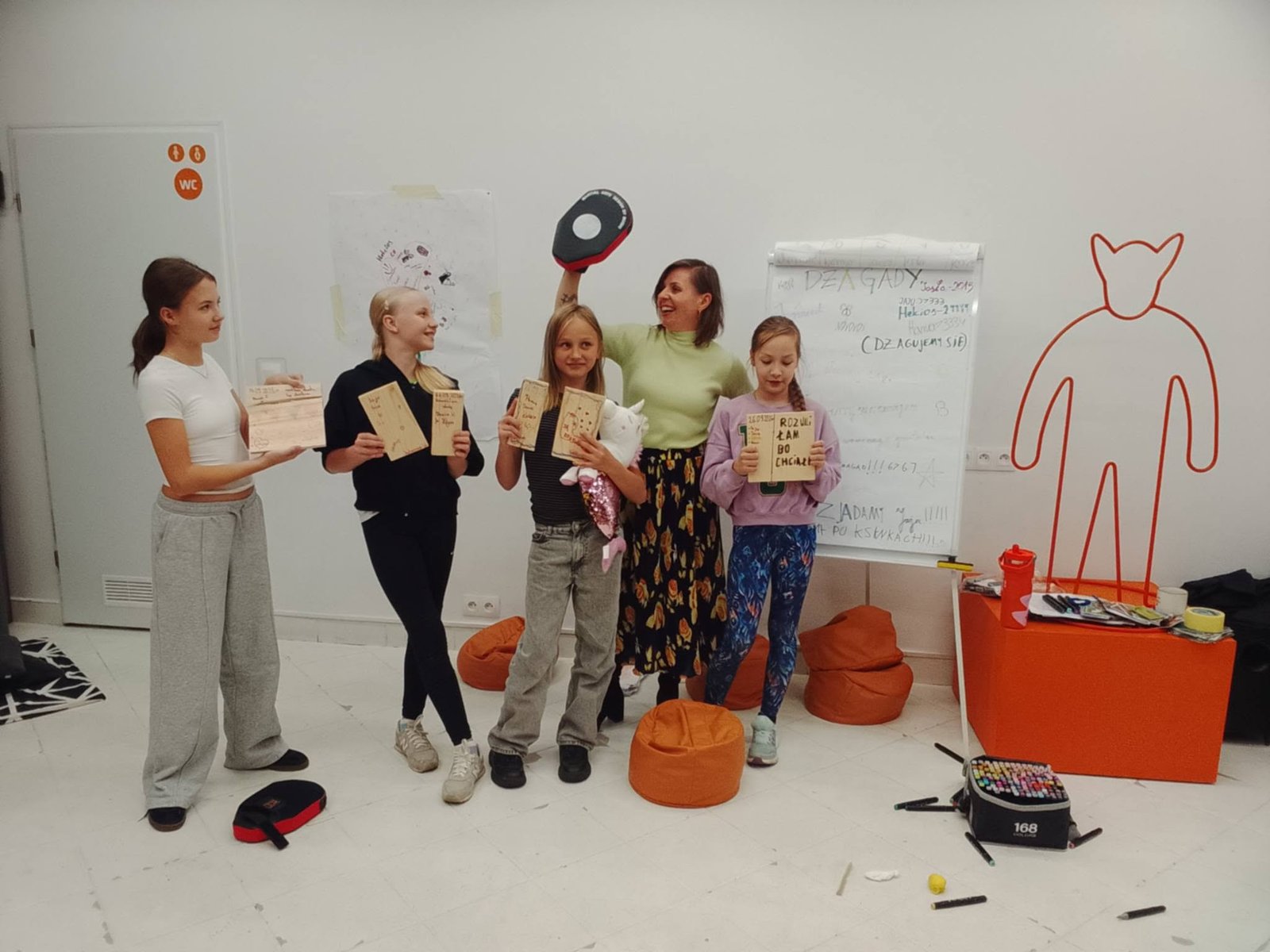
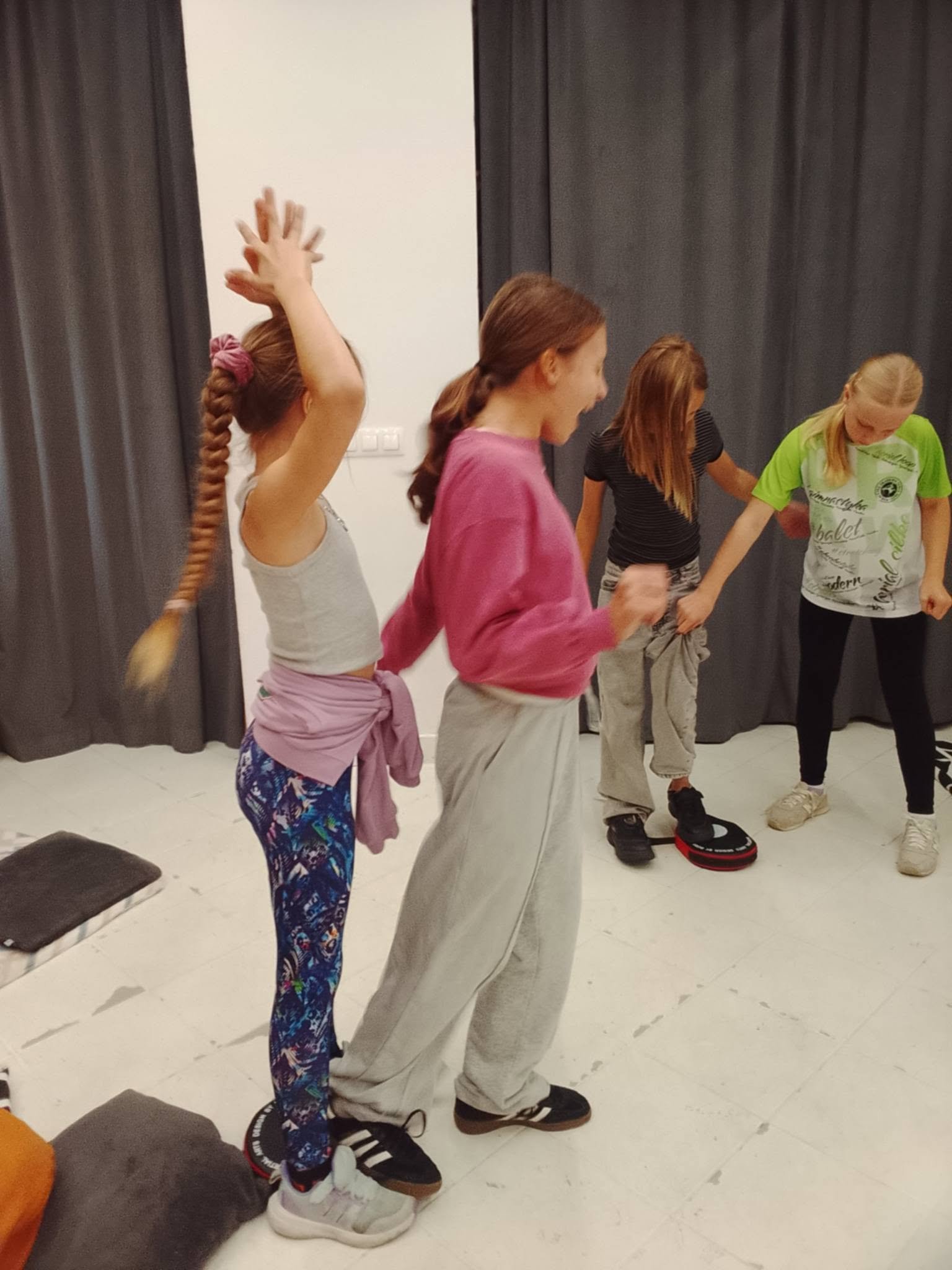
During one of the exercises, we worked with boards.
The most important thing wasn’t simply the possibility of breaking them. What mattered was making a decision: Do I want to do this? Am I ready? Do I want to give it a try?
The girls experienced what it means to be the ones making the decision.
And that sometimes things don’t work out on the first try.
You can try again. You can ask for support. You can draw strength from the presence of people who believe in you. And, above all, you can learn to believe in your own abilities.
Dżagolandia – Our Shared Space
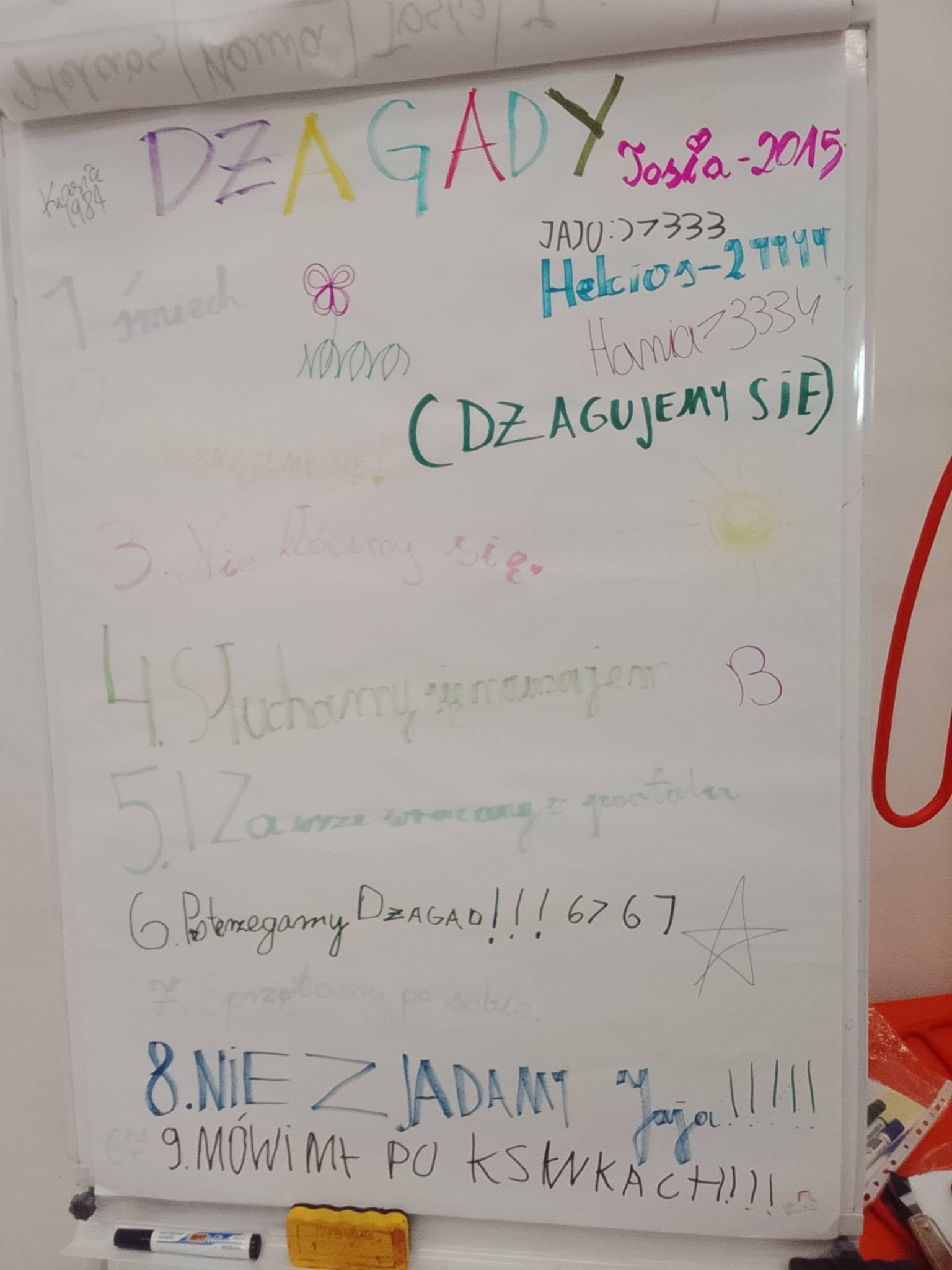
The girls came up with the idea that our workshops were taking place in Dżagolandia, and that we were all Dżagolandians (Dżagolandki).
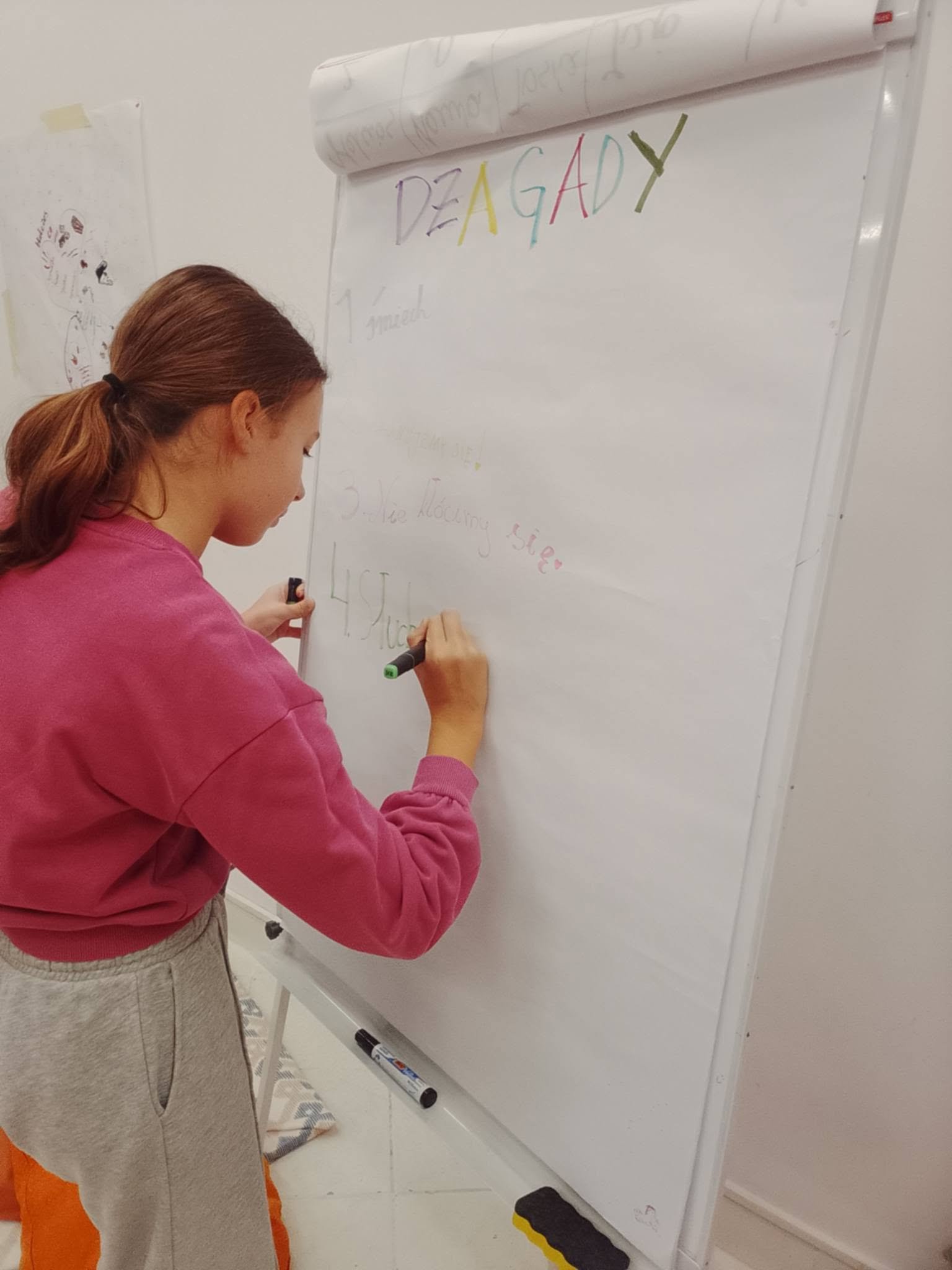
They also invented their own word – “dżagady” – for the rules that were meant to help us create a shared, safe, and comfortable space.
Over those two days, there was plenty of time to move around, shout, laugh, eat, play, and make a mess. But according to our “dżagady”, we also had to tidy up afterwards.
There was time for board games and play. There was time for conversations and sharing stories. And there was also room to rest.
The girls said that time had flown by, even though we spent as many as six hours together each day.
From “Mine” to “Ours”
Another lovely moment was seeing how the girls’ approach to sharing changed.
At first, each girl brought a snack just for herself. Over time, as we spent time together, talked, and built a sense of community, this turned into a shared table.
Each girl brought something of her own, and then the snacks became ours.
It’s a small gesture, but it captures the spirit of these workshops very well: sharing, supporting one another, and building relationships.
What Is WenDo?
WenDo is a method of assertiveness and physical and psychological self-defence. WenDo classes are available from the age of seven.
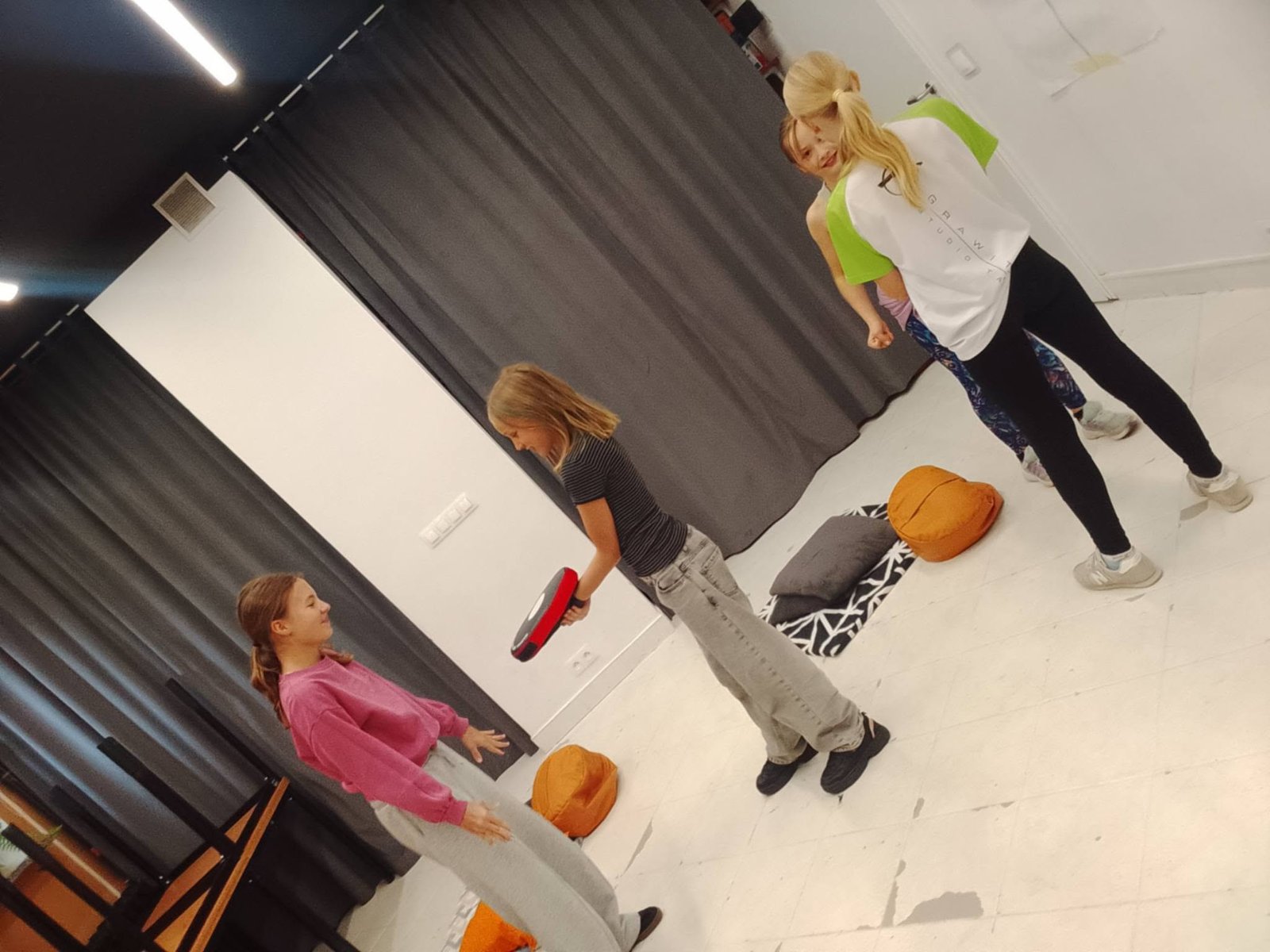
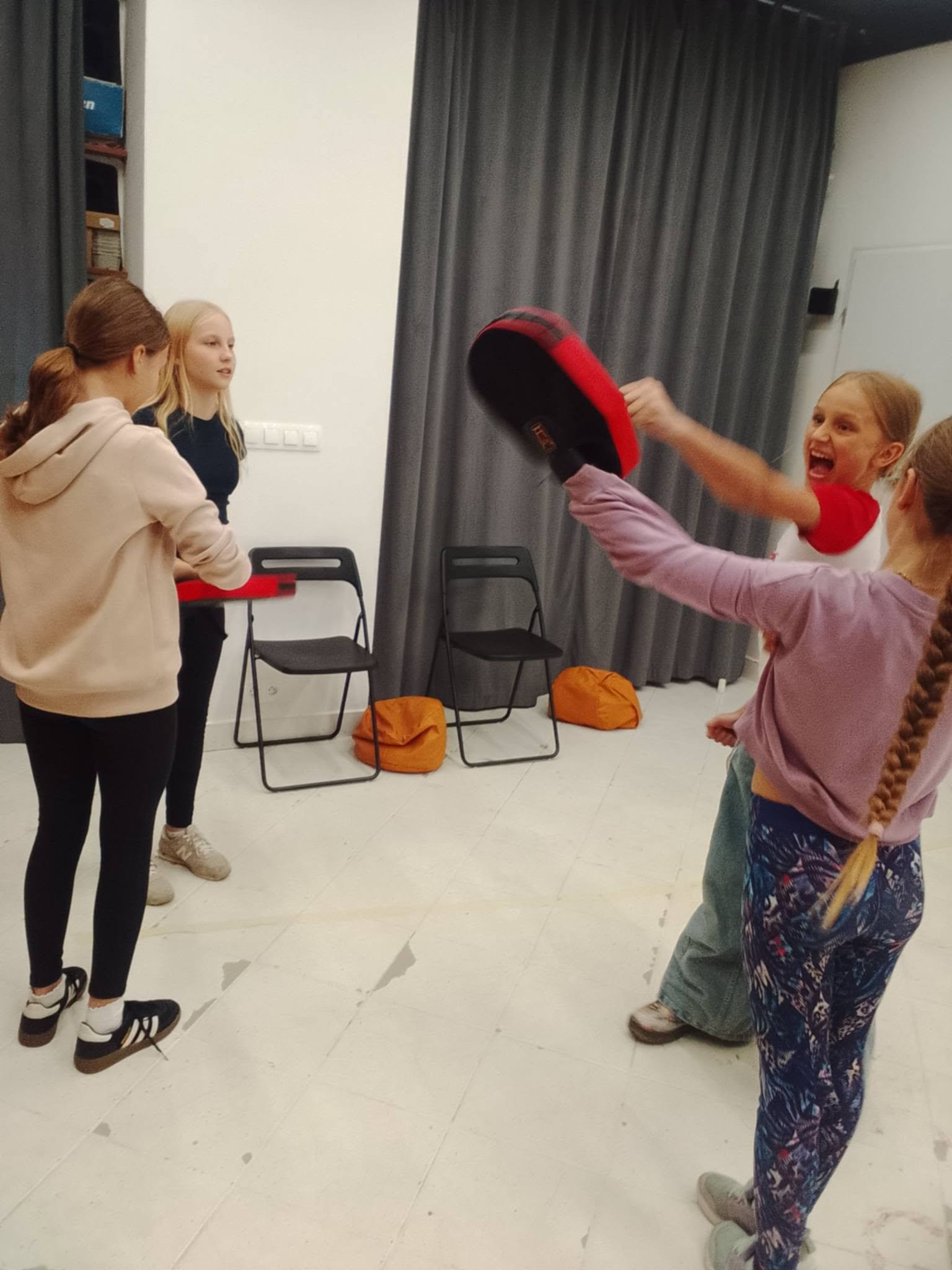
It’s not just about learning physical self-defence techniques, such as strikes, kicks, and ways to break free from holds. It’s also about recognising our own boundaries, expressing disagreement, making decisions, seeking help, and responding to situations that may threaten our sense of safety.
WenDo also supports agency, solidarity, sisterhood, and the ability to work as a group, while providing space for everyone to be themselves.
Girls don’t have to change, adapt, or do anything against their wishes to be accepted.
They can be authentic. They can have their own opinions. They can say “no”. They can ask for help. They can find their own ways of responding.
And they can know that their voices matter.
That’s exactly what these workshops were about: finding our own voices, recognising our own boundaries, developing agency, and discovering that strength can take many different forms.
Thank You!
We would like to extend our heartfelt thanks to Dzielnicowy Dom Kultury “Czuby Południowe” for welcoming us and providing a space where we could hold these workshops.
The workshops were organised as part of the “Stamp Your Foot, Shout, Set Your Boundaries” project, funded through the Dzielnice Kultury programme, operated by Dzielnicowy Dom Kultury “Węglin”.