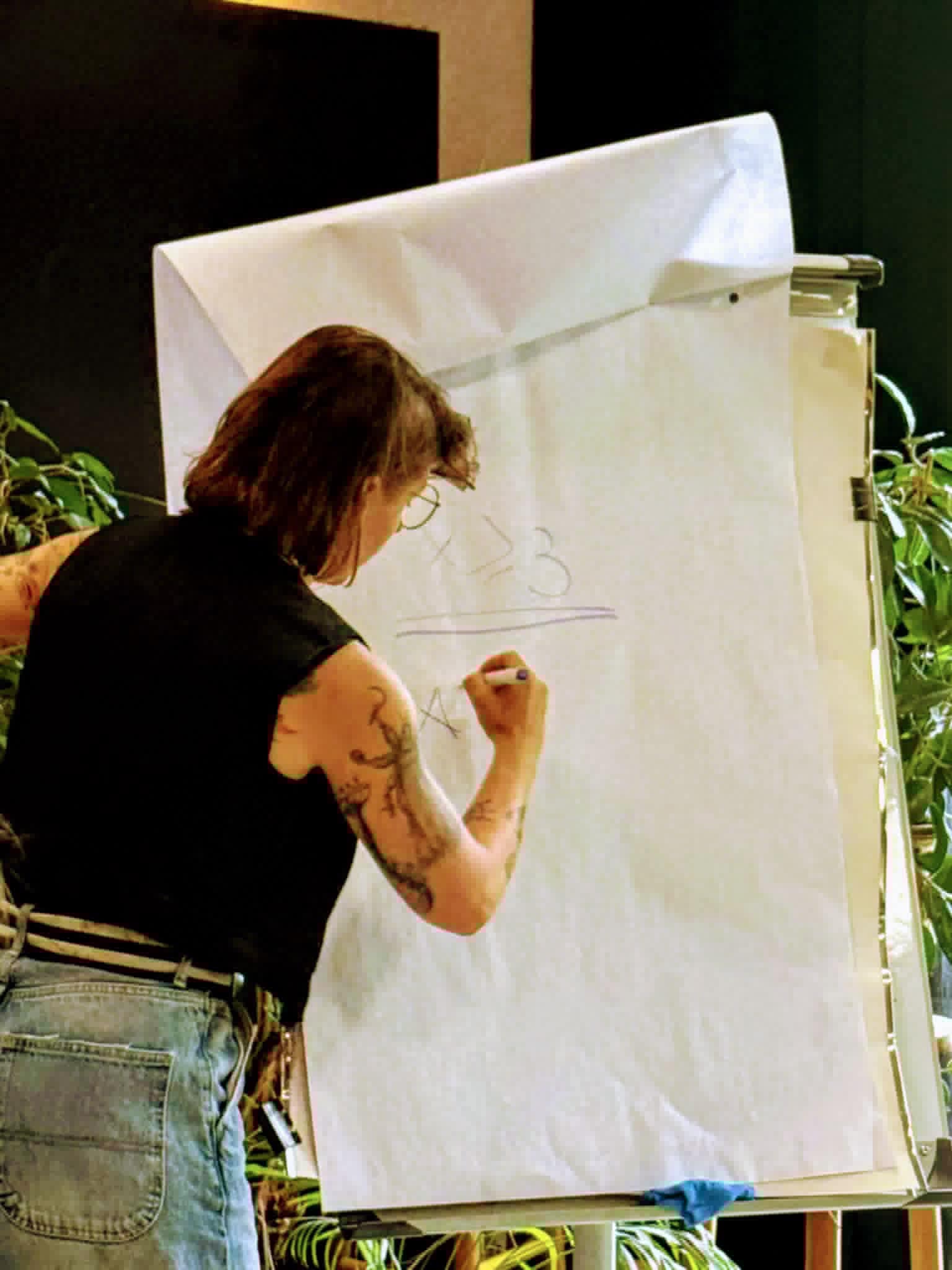

How can we conduct social research that helps us better understand the needs of cultural audiences? How can we design research tools that are accessible, easy to understand, and welcoming to participants? And how can we prepare both paper-based and online versions of these tools? We explored these questions together during workshops focused on researching inclusion and accessibility in the cultural sector.
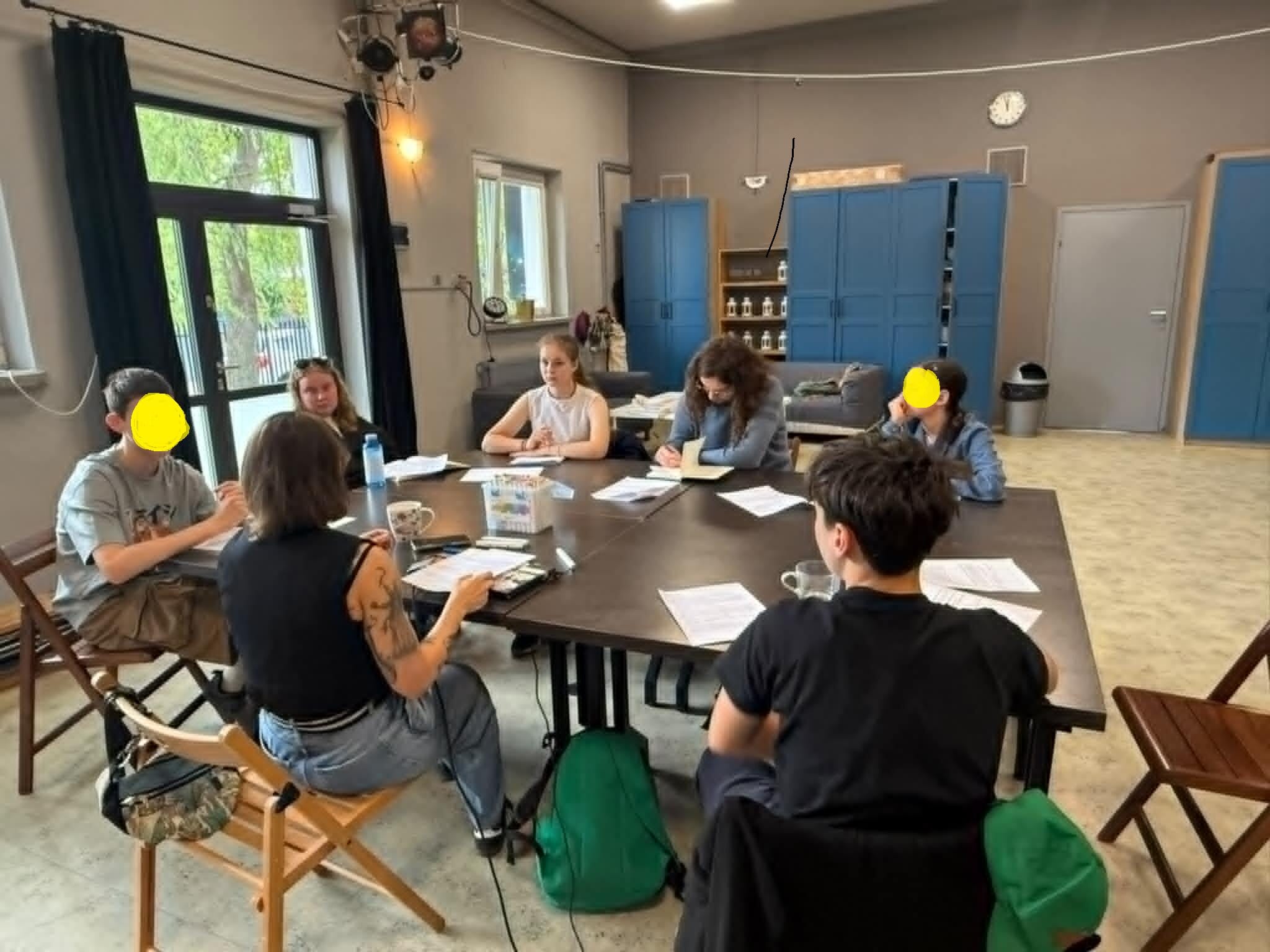
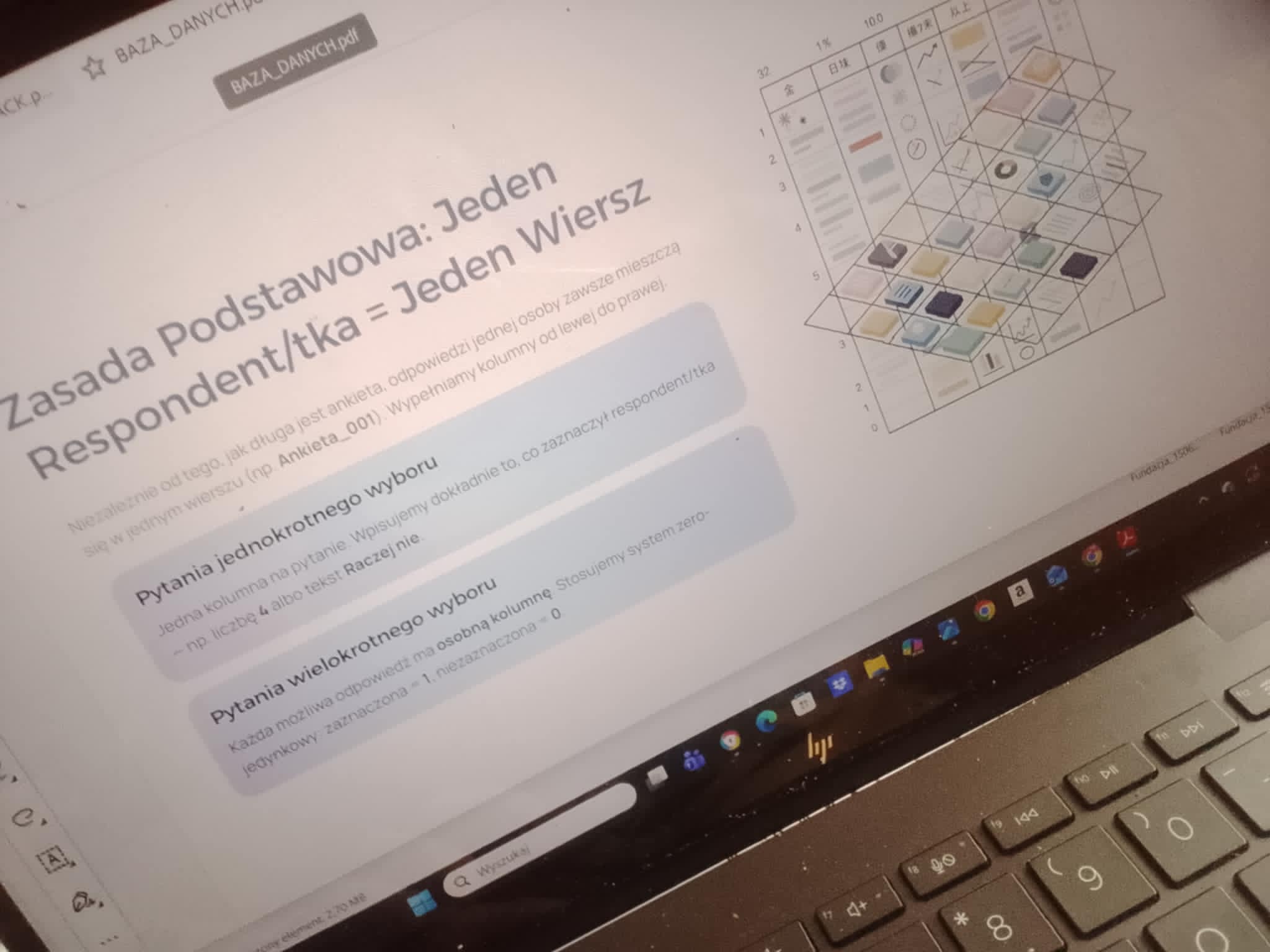
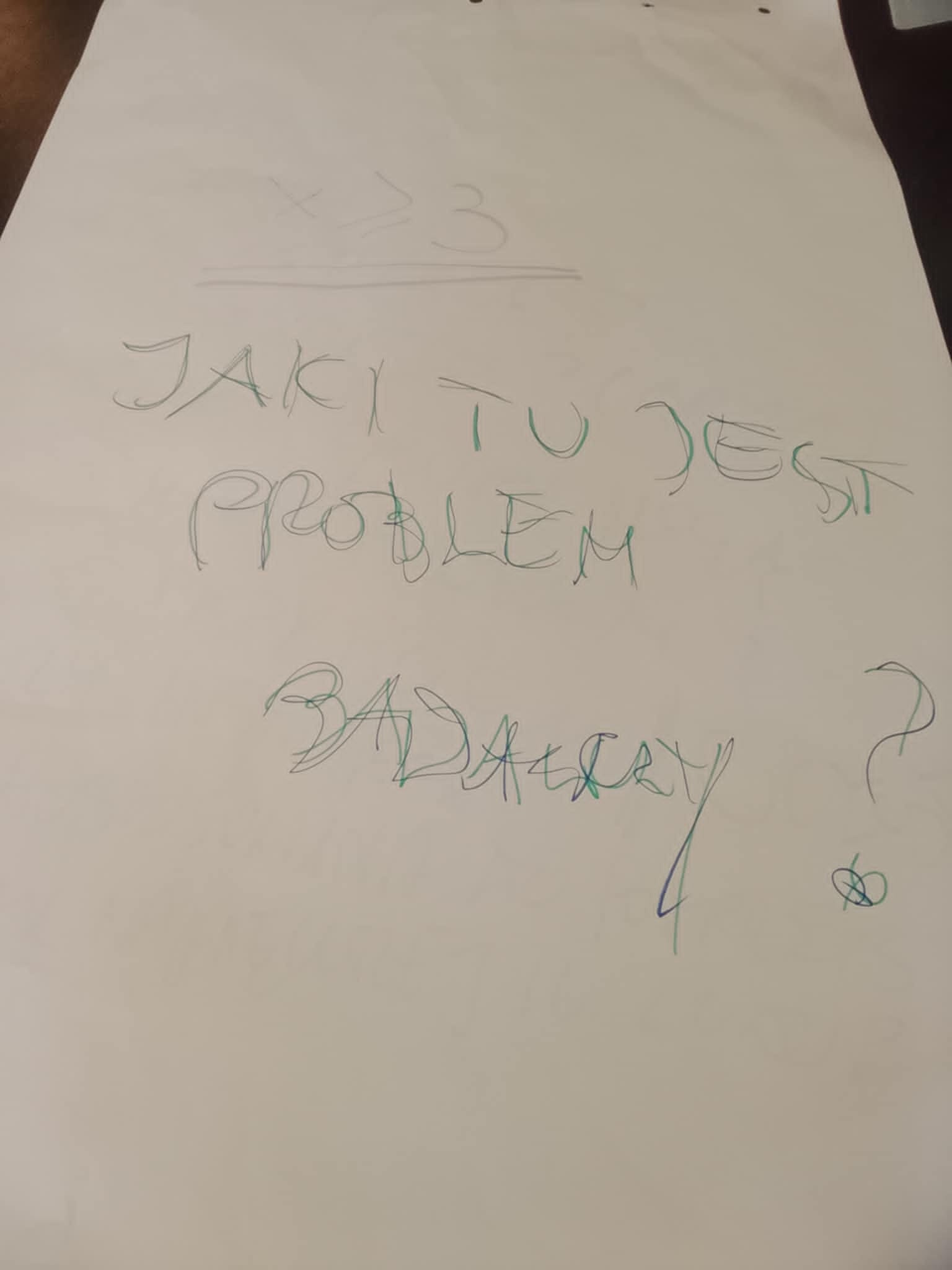
The workshop was practical in nature. Participants learned about the research process, from formulating research questions and selecting appropriate methods and tools to designing questionnaires and planning the entire research project. Particular attention was given to teaching research skills to people involved in community work and volunteering who do not have a background in sociology.
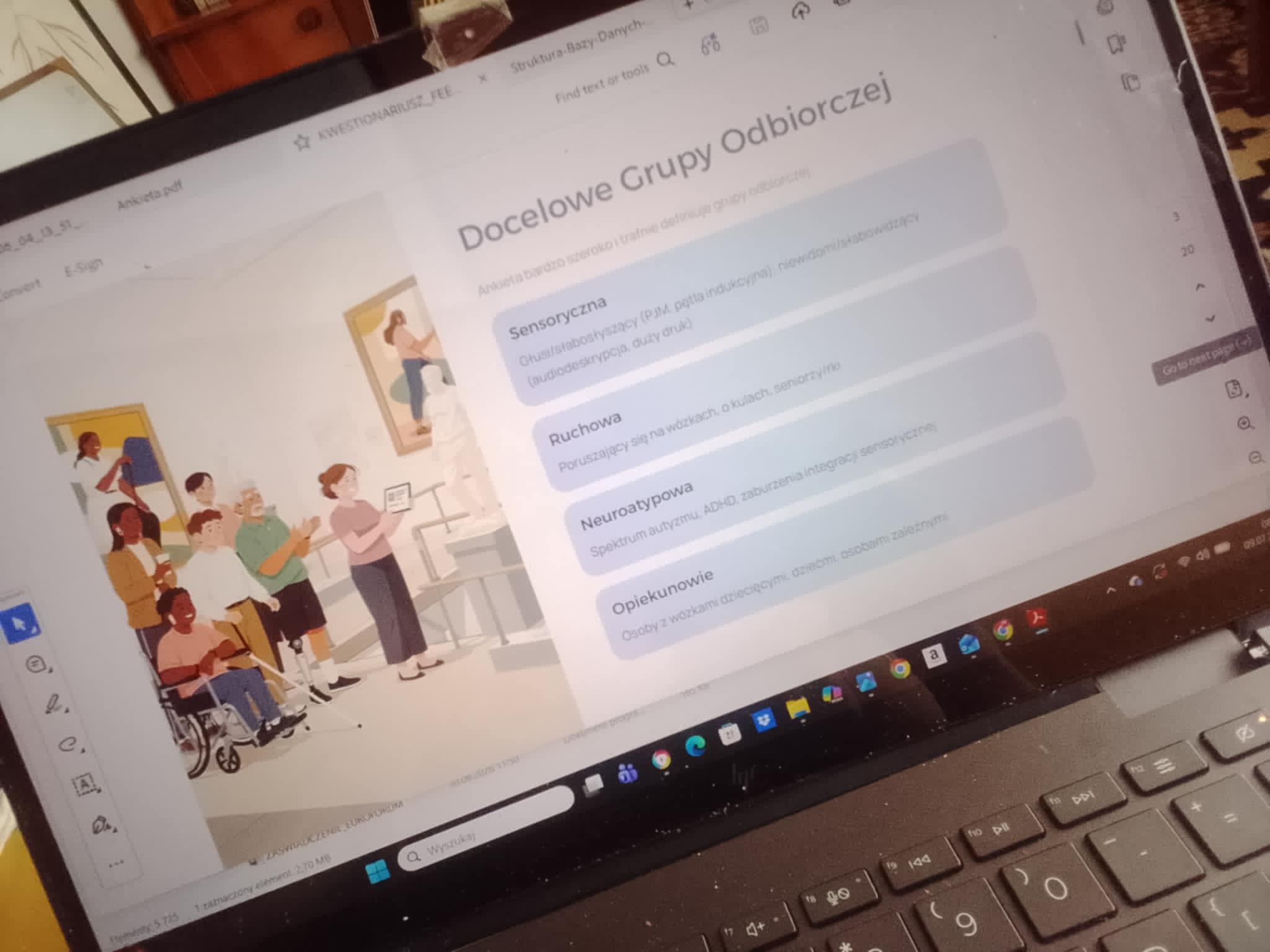
We also discussed what accessibility and inclusion mean in the cultural sector, what needs different audience groups may have, and what responsibilities cultural institutions bear. We considered whether research should serve merely as a diagnostic tool or, above all, provide a starting point for implementing meaningful changes that make cultural offerings more accessible.
The workshops provided a space for in-depth discussions, sharing experiences, and jointly exploring possible solutions. Particularly valuable was the engagement of people who, despite having no previous experience in social research, are eager to develop new skills to better respond to the needs of their local communities.
This openness to diverse perspectives and willingness to recognise the barriers other people face are the first steps towards creating a cultural sector that is more accessible, inclusive, and responsive to the needs of all audiences.