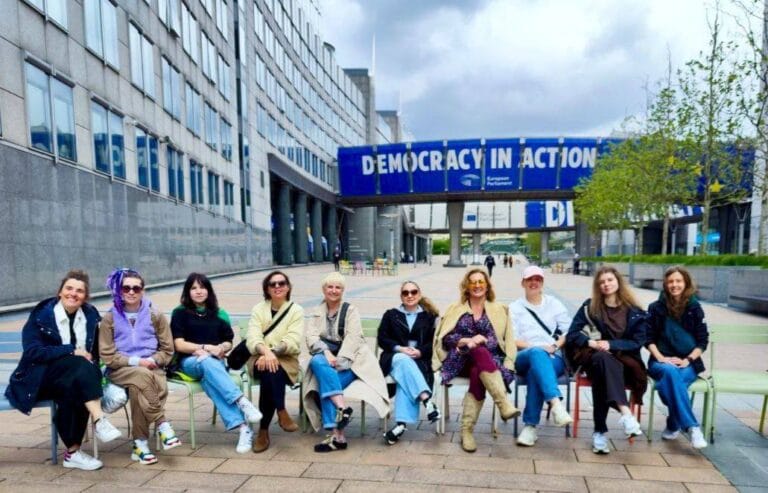

Sometimes just a few days are enough to return home with the feeling that we can build a different kind of world — one rooted more deeply in community, attentiveness, and solidarity. That is exactly how we felt after our study visit to Belgium, during which we visited Brussels and Antwerp and met with organisations working to promote human rights and equality, prevent violence, and support migrants and refugees.
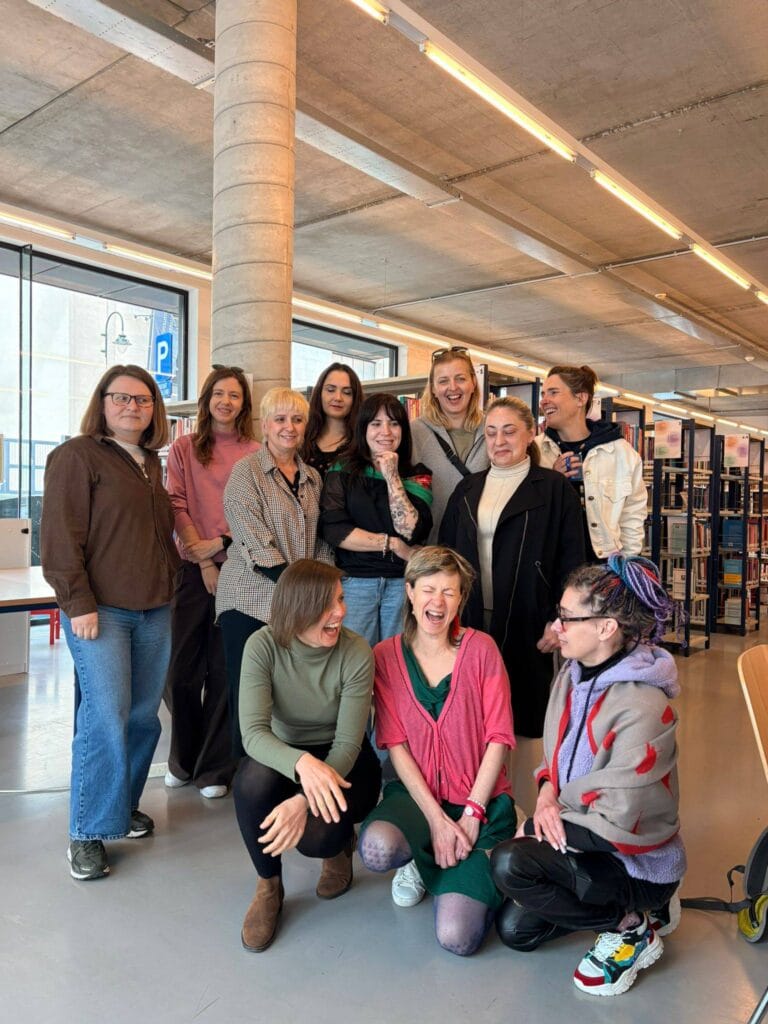
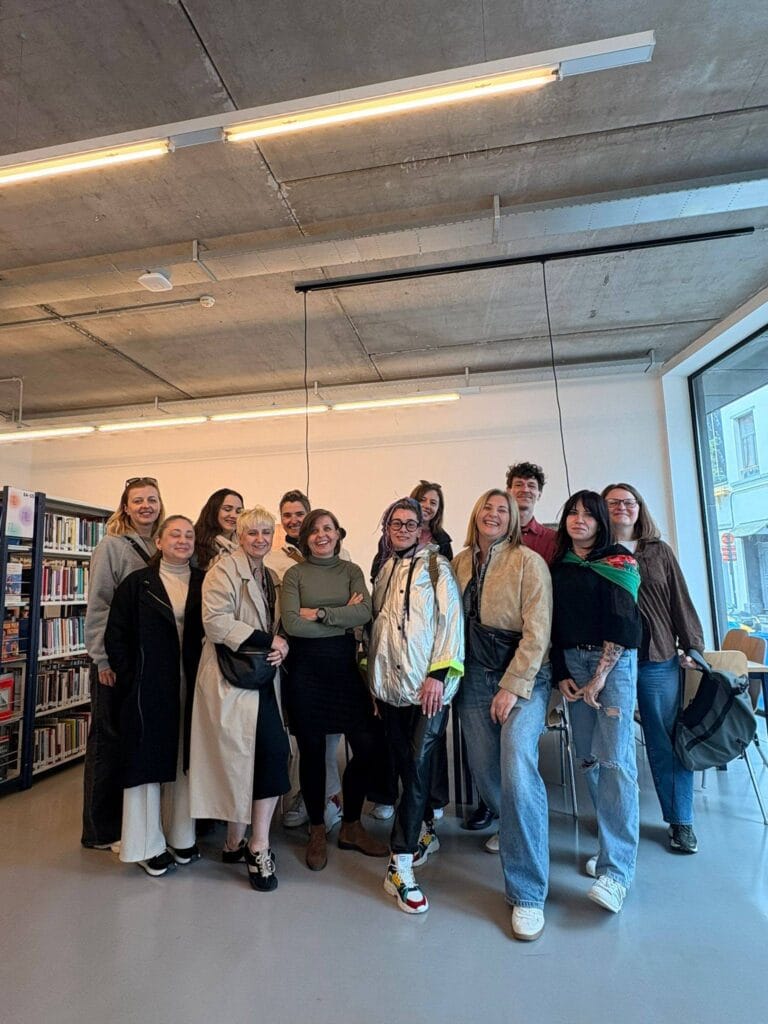
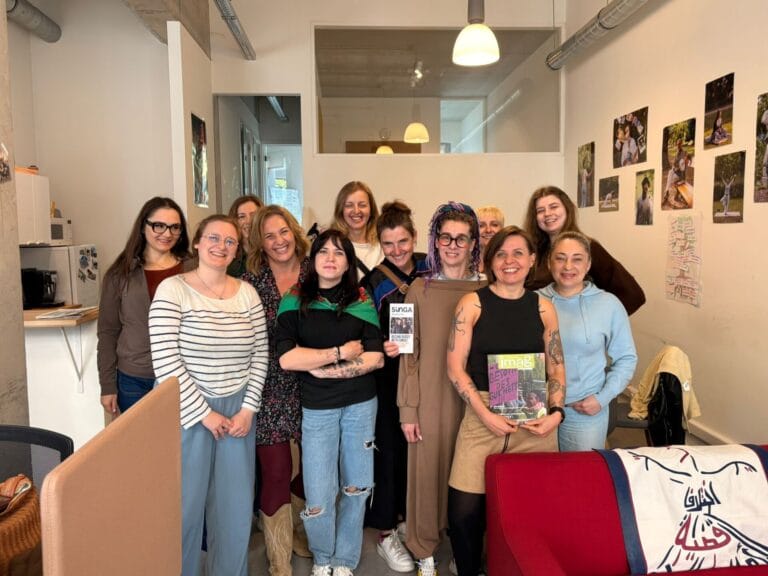
Twelve people took part in the visit: activists, community leaders, and people from Poland, Ukraine, and Belarus involved in advancing equality, inclusion, and human rights, together with our Foundation’s team. We brought with us diverse experiences, perspectives, and herstories, giving every conversation a multidimensional, intersectional character.
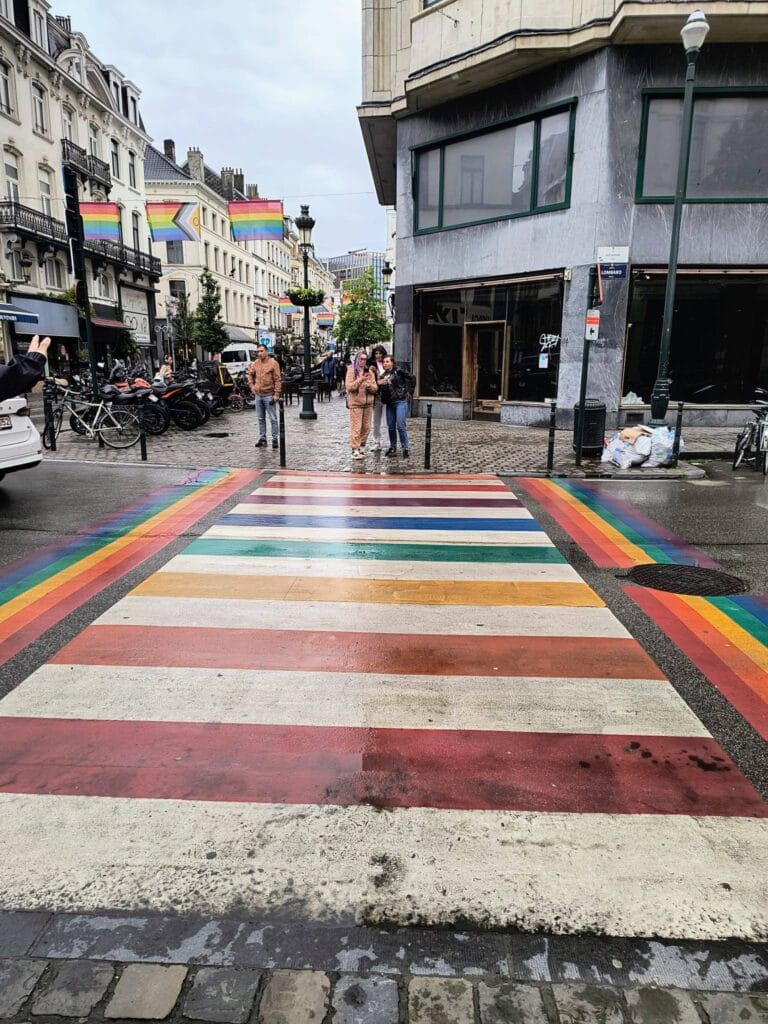
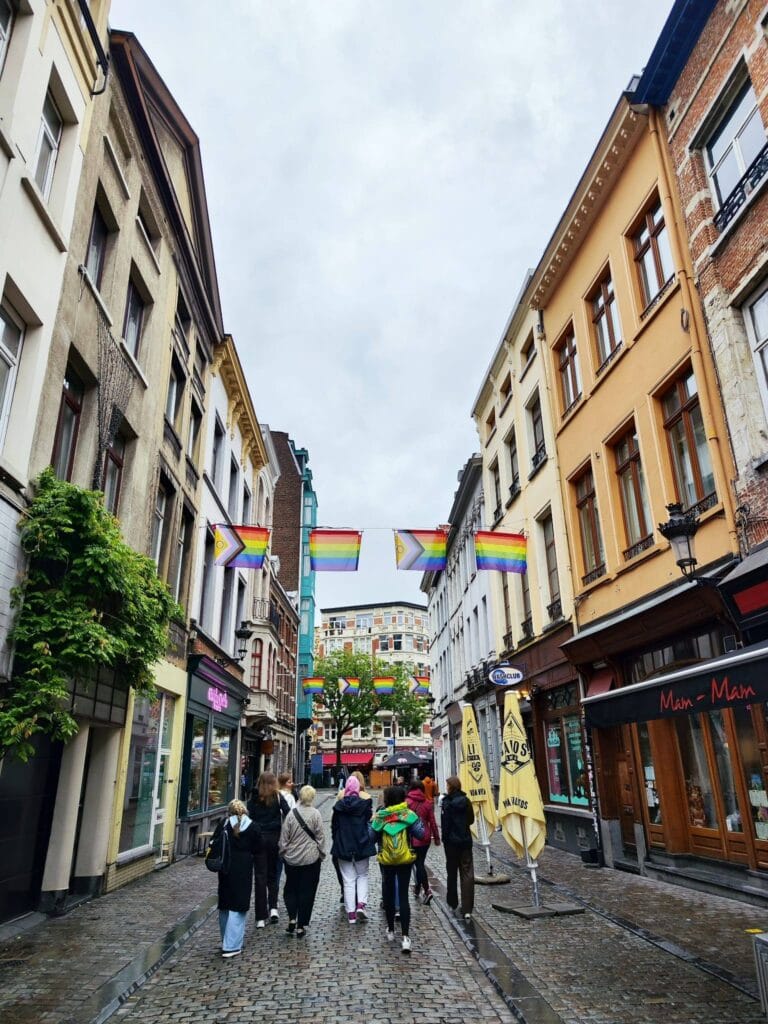
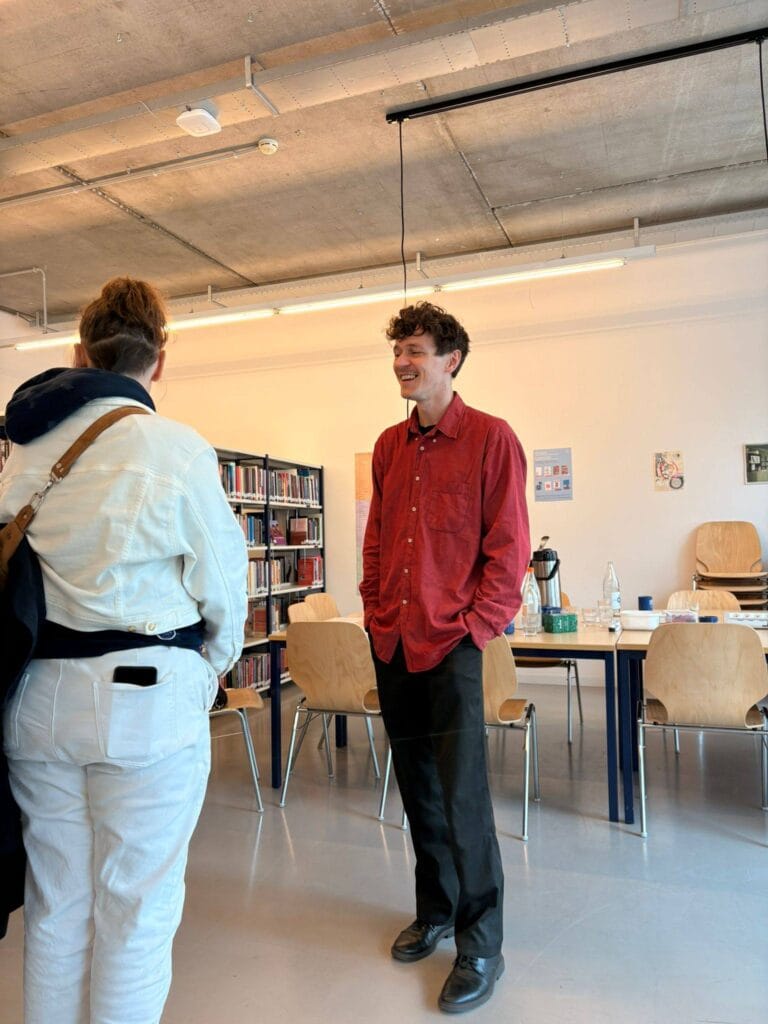
The programme included meetings with civil society organisations, feminist libraries, and groups working with women, LGBTQ+ people, migrant women, and refugee women. There was also time to experience everyday life in Belgian cities, with all their diversity, contrasts, and social tensions.
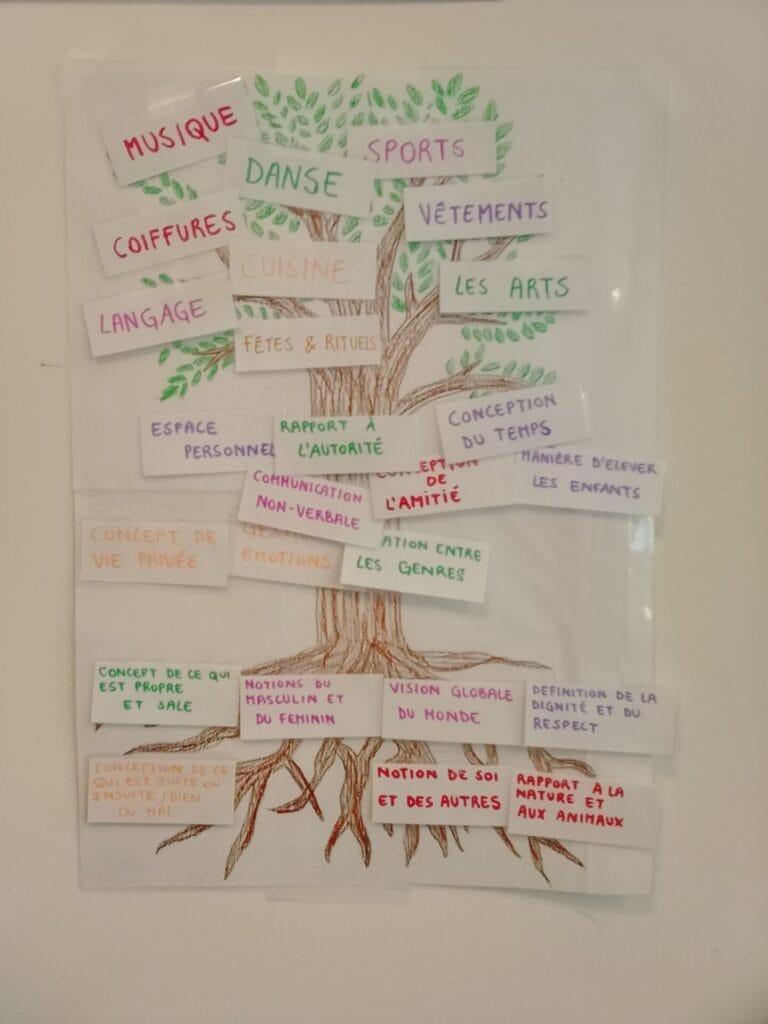
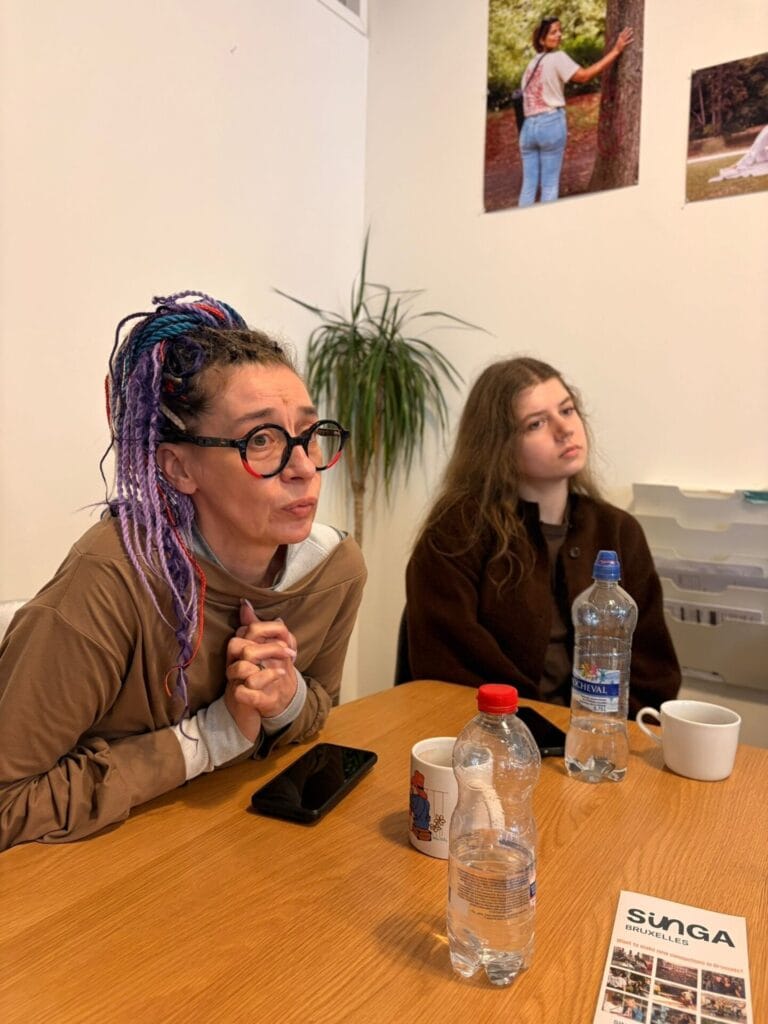
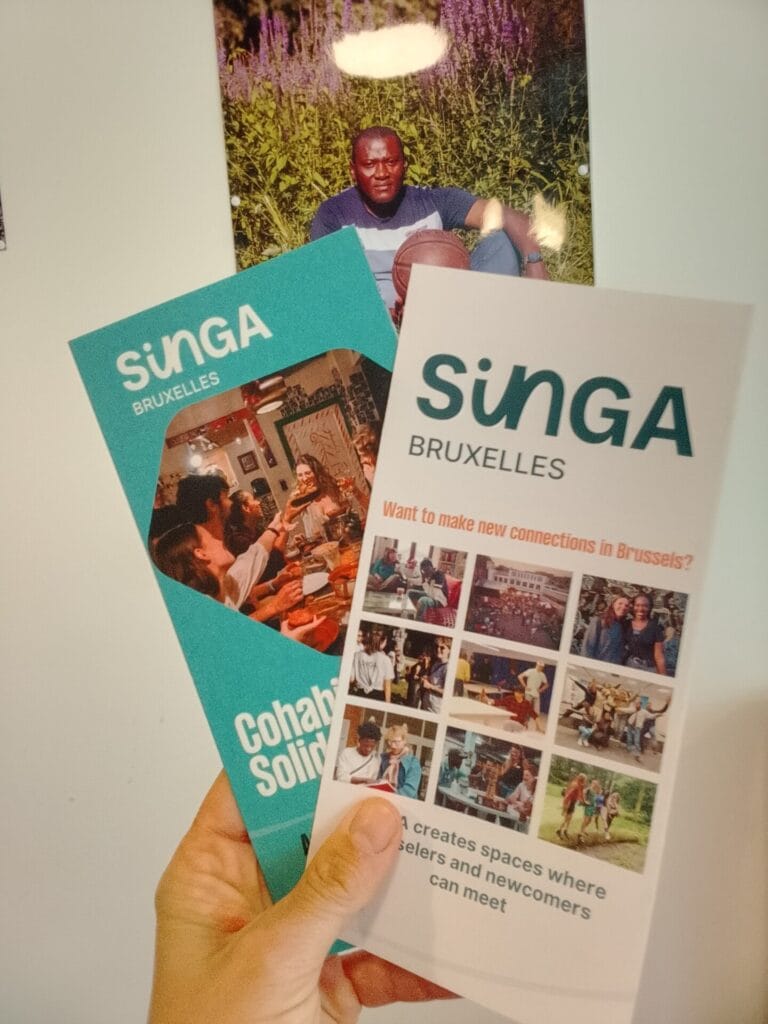
On the very first day, we visited SINGA Belgium, an organisation that supports people with migration and refugee backgrounds by helping them build social and professional connections. We discussed integration, intercultural communication, and the creation of local communities based on empathy and cooperation. We found it particularly inspiring how closely the organisation’s work is connected to everyday life — from workshops and community activities to practical support in finding one’s feet in a new country.
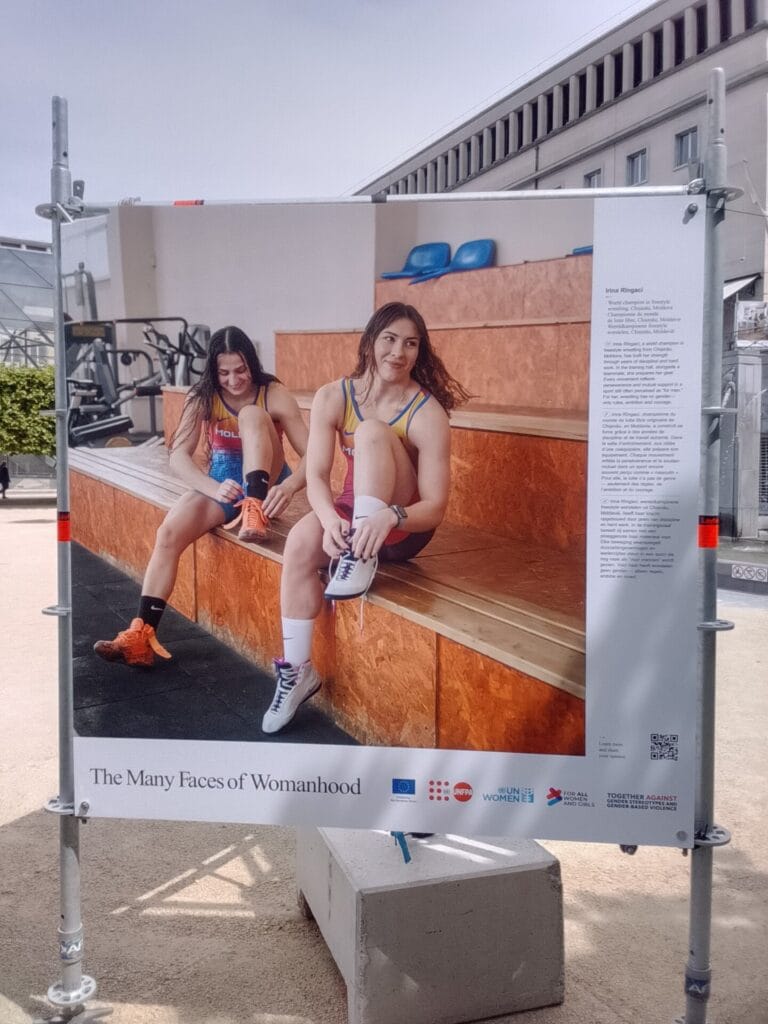
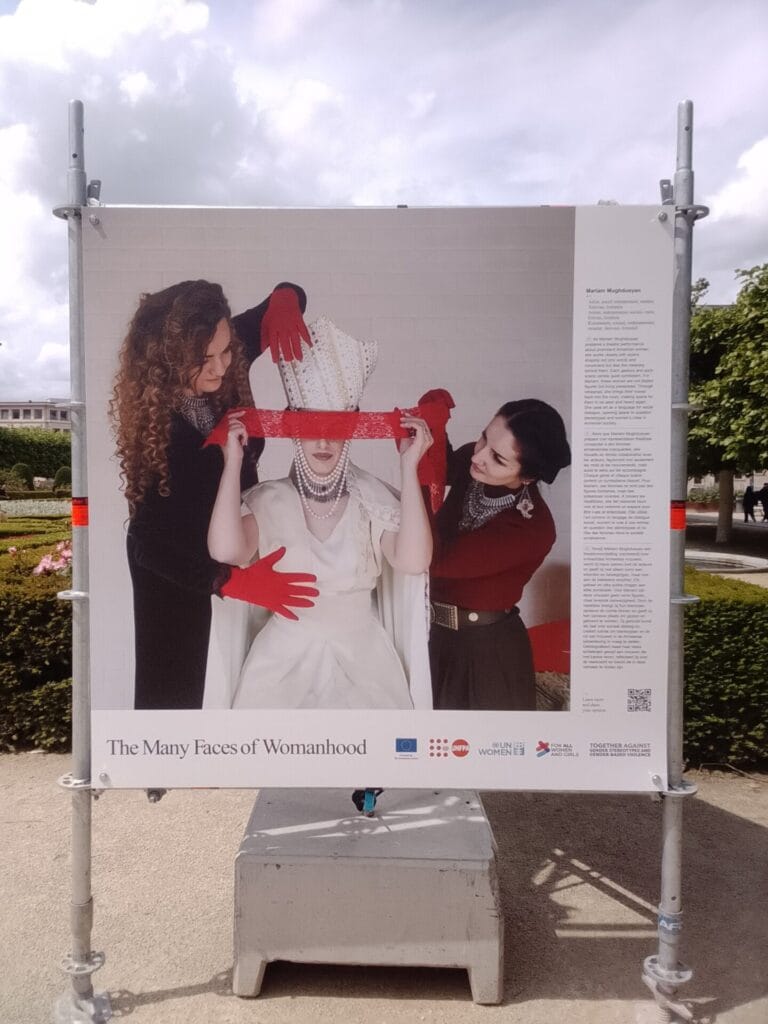
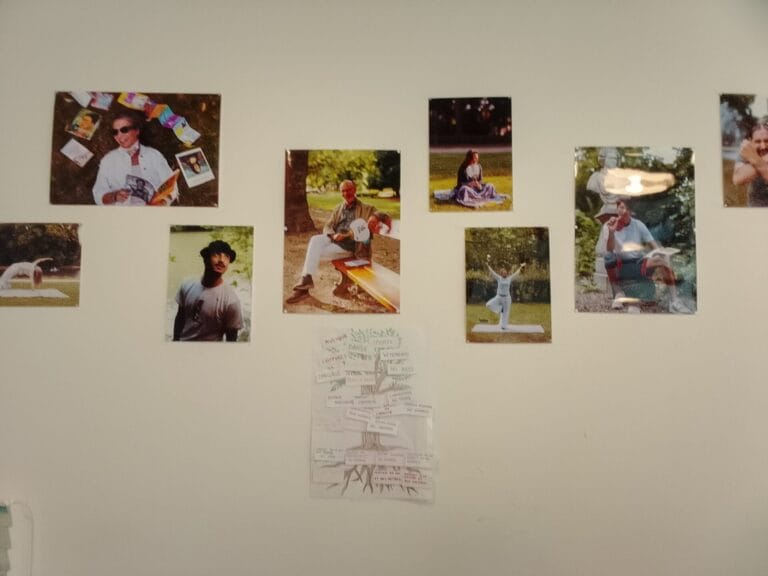
In Brussels, we also had the opportunity to see exhibitions exploring womanhood, identity, and the challenging of gender stereotypes. The perspectives of women from Eastern Europe and the Caucasus were particularly moving, as their experiences resonated with the stories of women in our group. It was an important opportunity to reflect on how different women’s experiences can be, and how much they share despite borders and language differences.
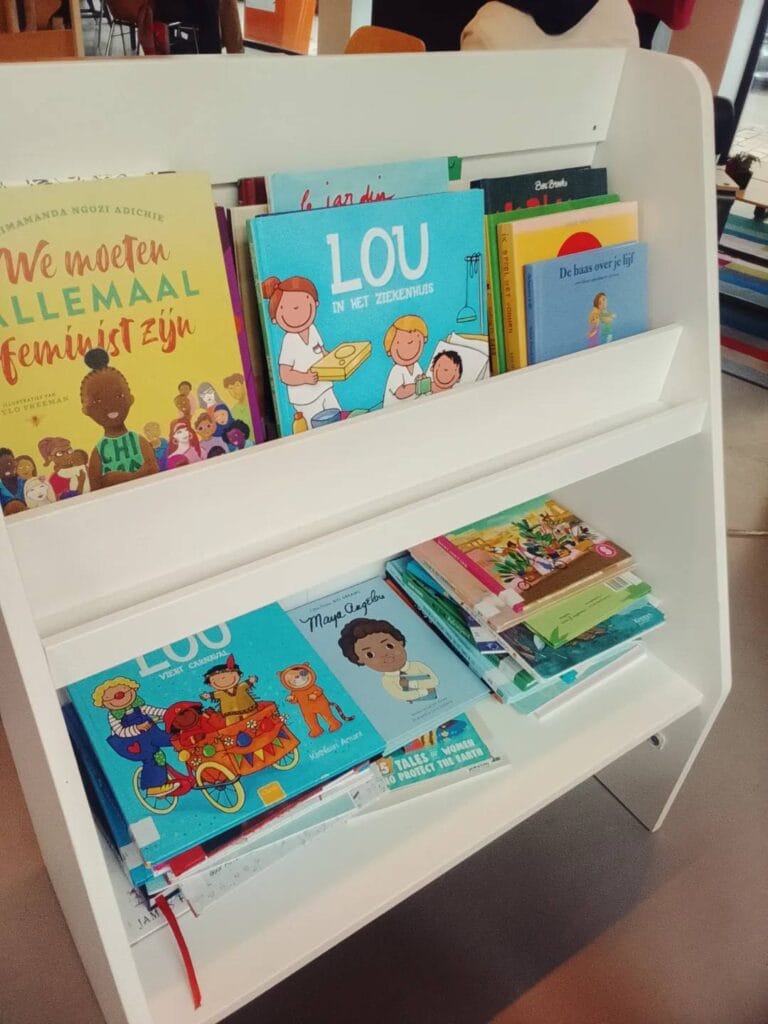
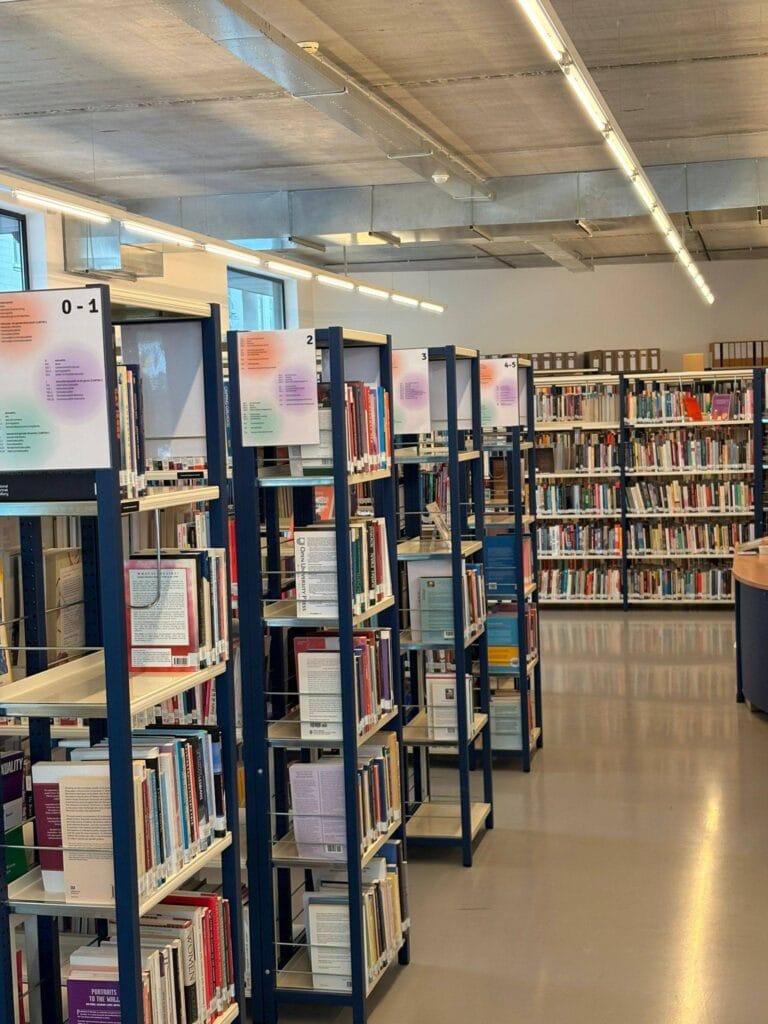
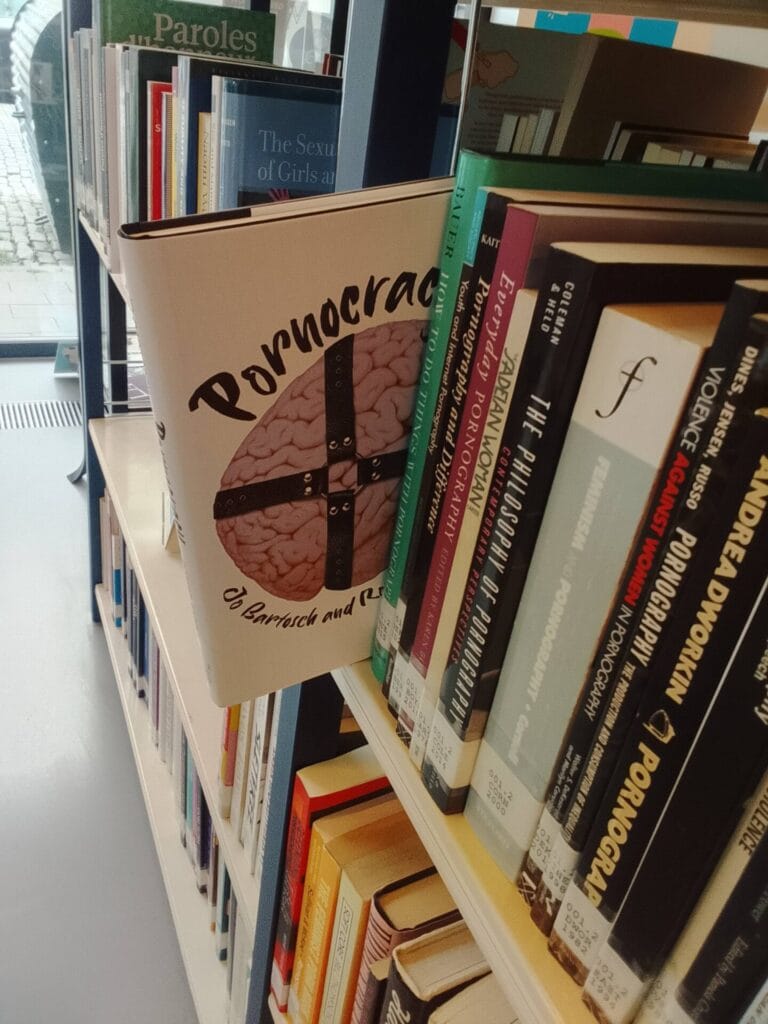
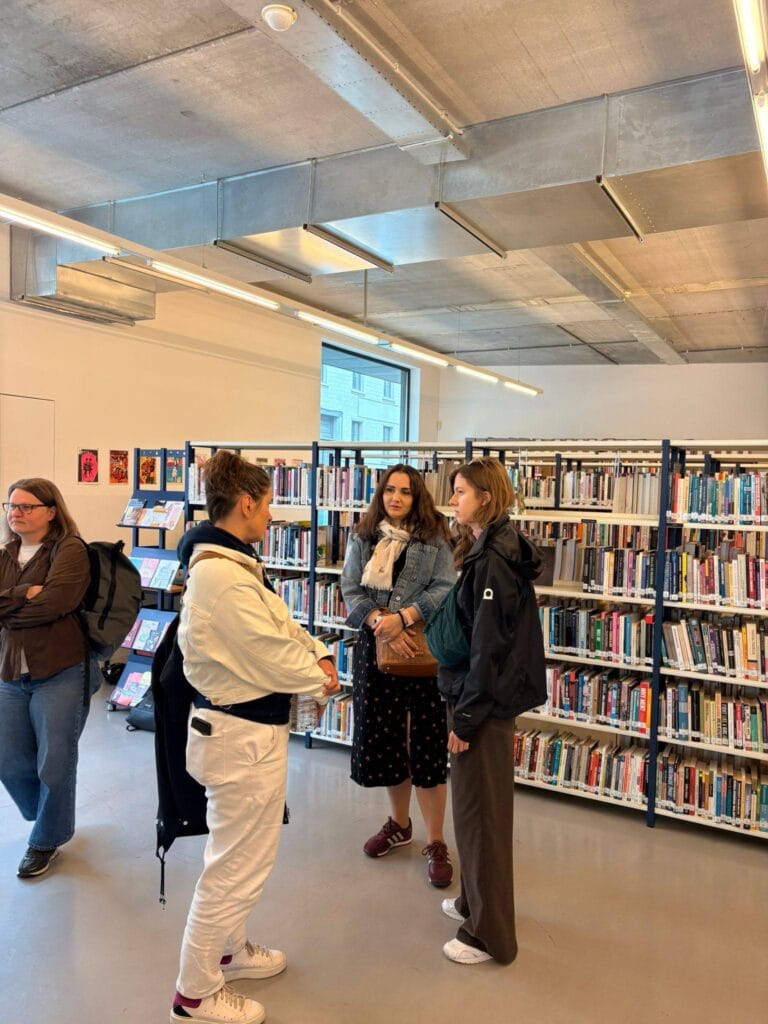
On the second day, we visited Bibliotheek Rosa, a remarkable feminist library and documentation centre dedicated to women’s history and gender studies. The sheer volume of its collections, archives, and publications showed us how important it is to document the histories of women’s movements and create spaces for sharing knowledge and experiences.
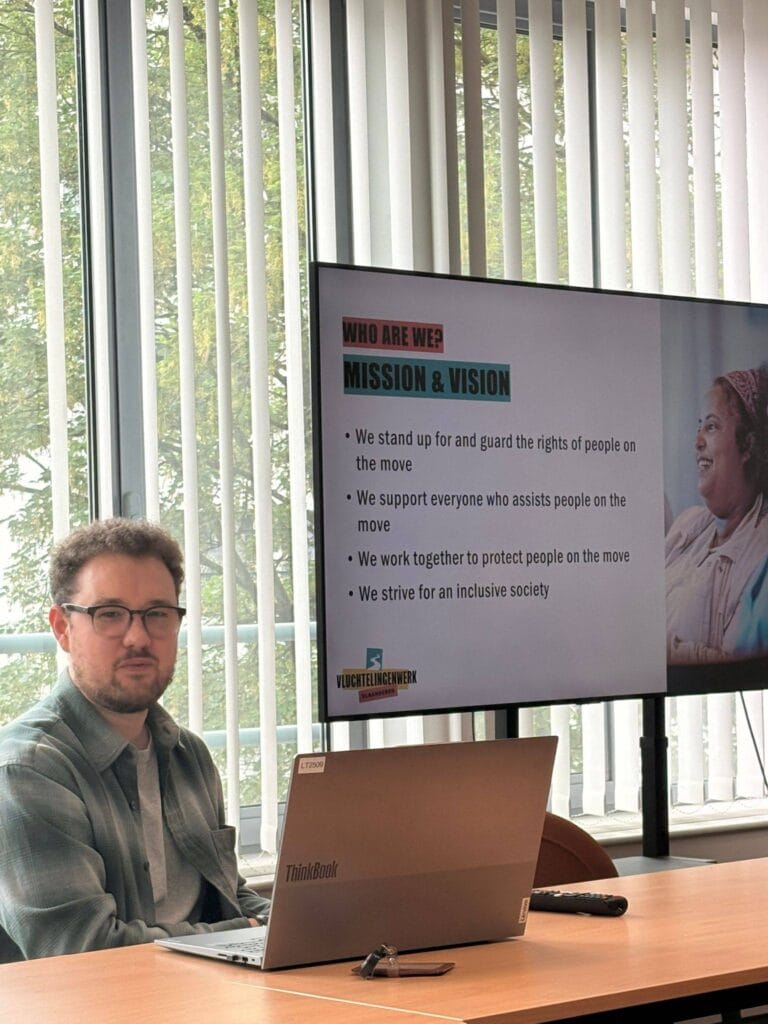
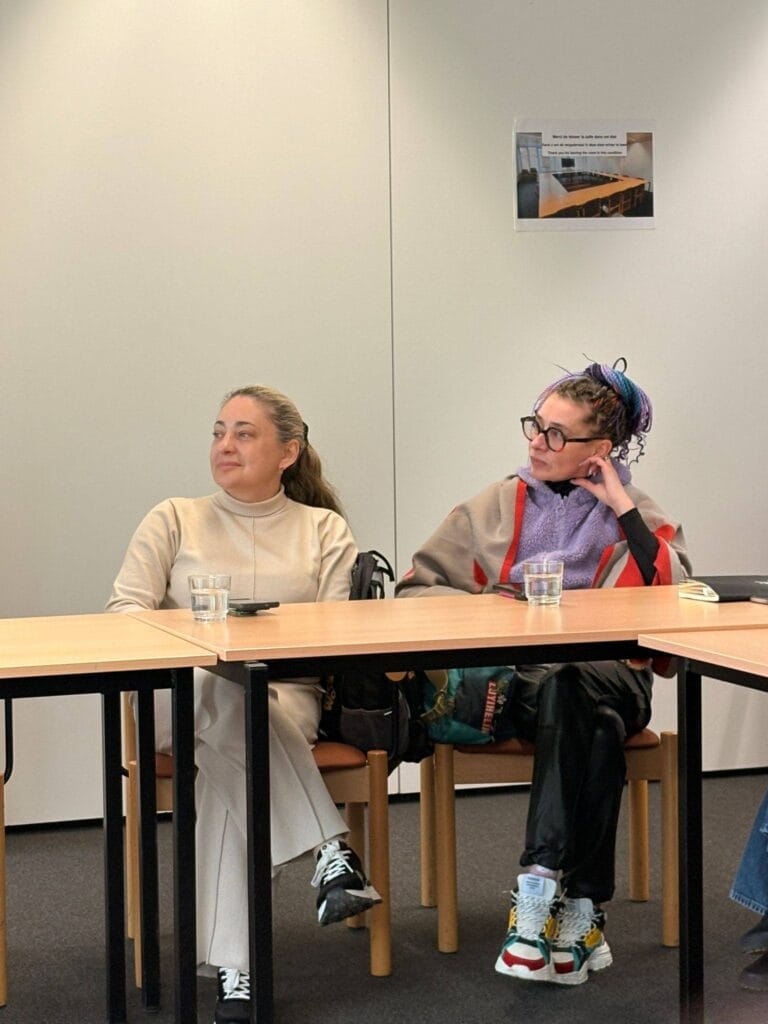
One of the most important parts of the visit involved discussions about migration policy and the everyday lives of people with migration backgrounds at an organisation referred to as Vuchtelingendag. We spoke both with representatives of organisations working at a systemic level and with migrant women who shared their own herstories of life, work, and building a sense of safety in a new country. This allowed us to gain a fuller picture — not only of the institutional perspective, but also of the personal experiences, emotions, and challenges that shape everyday life.
This was one of the greatest values of the visit: gaining a “360-degree perspective”. On the one hand, we explored systemic solutions, good practices, and support models operating in Belgium; on the other, we listened to the stories of women who face exclusion, violence, and difficulties with integration every day.
Lucy’s Antwerp also proved to be an especially inspiring place. The organisation creates a safe space for women and non-heteronormative and non-binary people with migration backgrounds. We were impressed by its neighbourhood-based, community-centred approach and by the way it brings together activism, psychological support, artistic activities, and local community-building.
Another very important experience was meeting Polish migrant women living in Belgium. We talked about the everyday realities of life abroad, building relationships, work, and loneliness, as well as the opportunities available and the strength that comes from community. It was an exceptionally honest exchange of experiences and reflections, showing just how diverse the paths of women living between cultures and countries can be.
The visit also addressed the prevention of gender-based violence. Our meeting with the organisation Elles Pour Elles gave us an opportunity to explore approaches to supporting migrant women experiencing violence, as well as methods for delivering educational initiatives and public awareness campaigns on this issue. We discussed how to build effective support systems and why solidarity among women across borders matters so much.
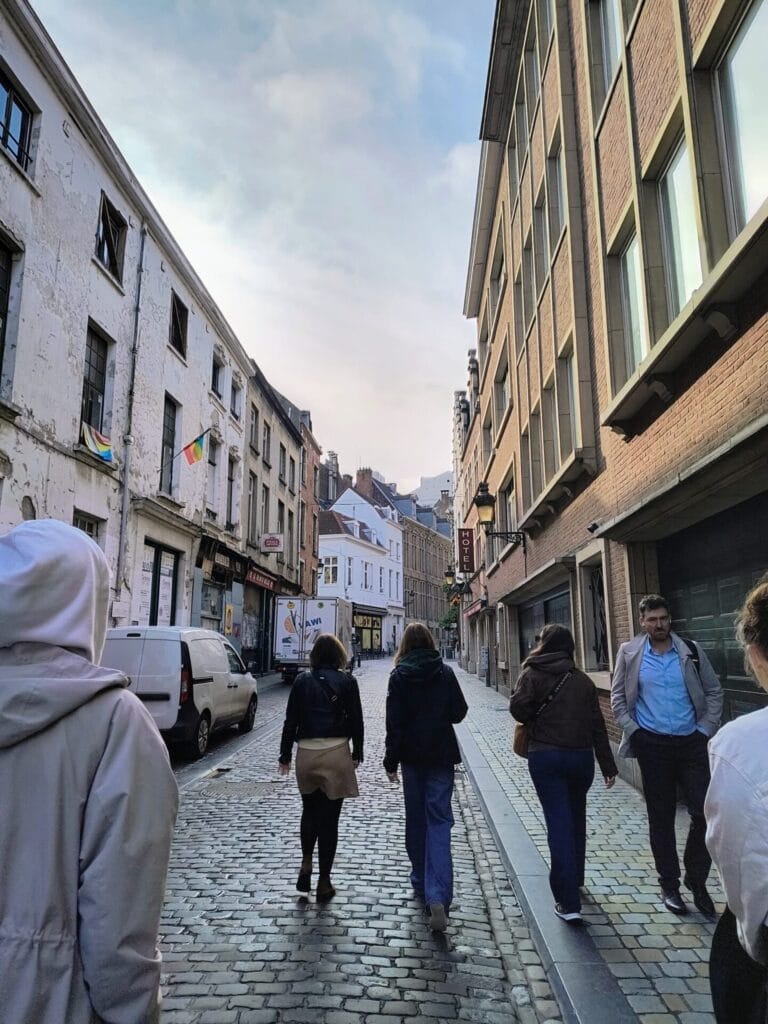
The trip was intense not only in terms of its programme, but also emotionally. We had many conversations — between meetings, while walking through Brussels and Antwerp, and in the evenings over shared dinners. We exchanged experiences, asked questions, challenged one another’s perspectives, and tried to find answers together to the challenges facing our communities today.
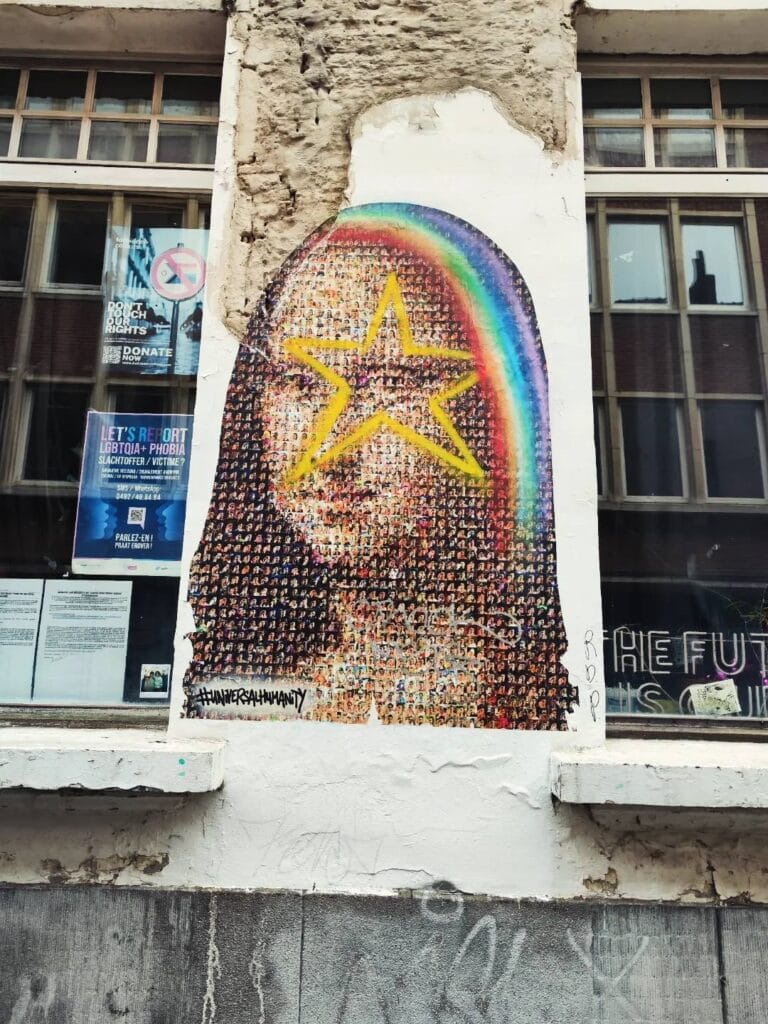
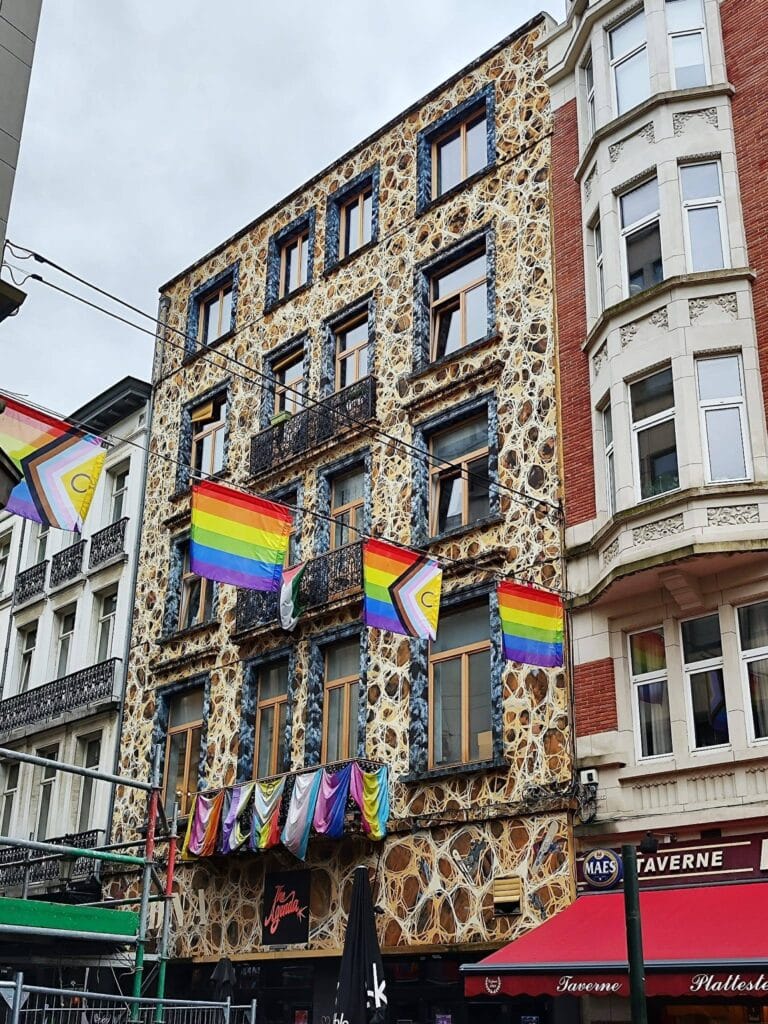
Brussels and Antwerp showed us their everyday realities: multicultural and complex, sometimes full of contrasts, yet open to dialogue and diversity. We returned with a wealth of inspiration, new contacts, knowledge, and reflections.
Above all, however, we returned with the conviction that work for human rights, equality, and inclusion is meaningful when it is built on relationships, attentiveness, and listening to diverse experiences. And that despite differences in language, culture, or nationality, we can build a community grounded in solidarity, mutual support, and women’s agency.